Trial Reveals Group Nature Programs Reduce Loneliness More Than Self-Directed Approaches
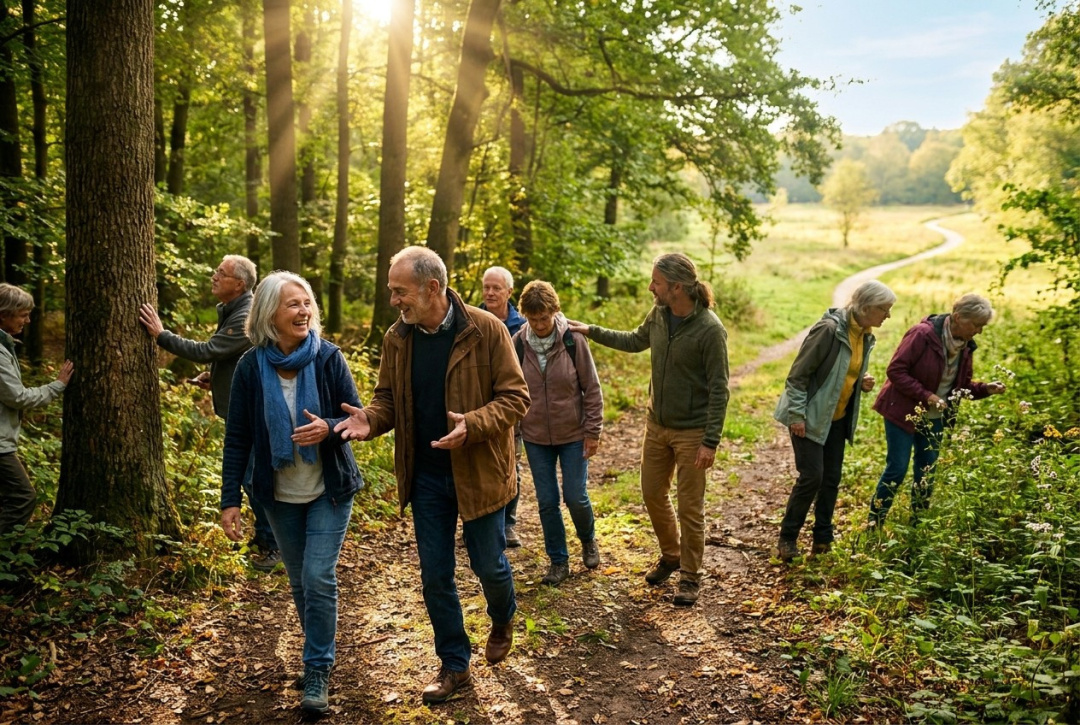
The RECETAS-BCN trial investigated the impact of nature-based programs on loneliness among 320 adults from lower-income neighborhoods in Barcelona. Participants, primarily women with a median age of 63, reported feelings of loneliness at the start of the study. Researchers found no significant overall difference in loneliness reduction between the two approaches when analyzing all participants together. However, subgroup analysis revealed that those with higher initial loneliness and lower emotional well-being benefited more from the group-based program, which included weekly two-hour sessions in outdoor settings such as parks and gardens, compared to the self-directed approach that offered a one-time motivational interview and suggestions for independent activities.
Loneliness scores decreased by approximately 10.5% after three months and around 16.8% after one year for both groups. Despite these reductions, the study did not show significant improvements in health-related quality of life for either group, indicating that alleviating loneliness does not necessarily correlate with broader health benefits. This trial contributes to a growing body of research on nature-based social prescribing, which seeks alternatives to traditional methods for addressing loneliness and related mental health issues.
The findings suggest that while spending time in nature can be beneficial, the social component of group activities may play a crucial role in enhancing the experience for individuals who are highly isolated. The repeated social interactions in the group format allowed participants to engage in shared activities and build familiarity over several weeks, which may have contributed to the greater improvements observed.
Further research is needed to explore these findings across different populations and settings. The study underscores the complexity of loneliness as a multifaceted condition that may require tailored interventions. Community-based initiatives that blend outdoor activities with social engagement, such as walking groups or community gardens, could offer valuable options for those seeking to reduce feelings of loneliness while enjoying the benefits of nature. The authors of the study emphasize the need for matching interventions to individual circumstances to maximize effectiveness.