Kenyan Researchers Develop Fertilizer from Human Waste to Aid 1,000 Farmers
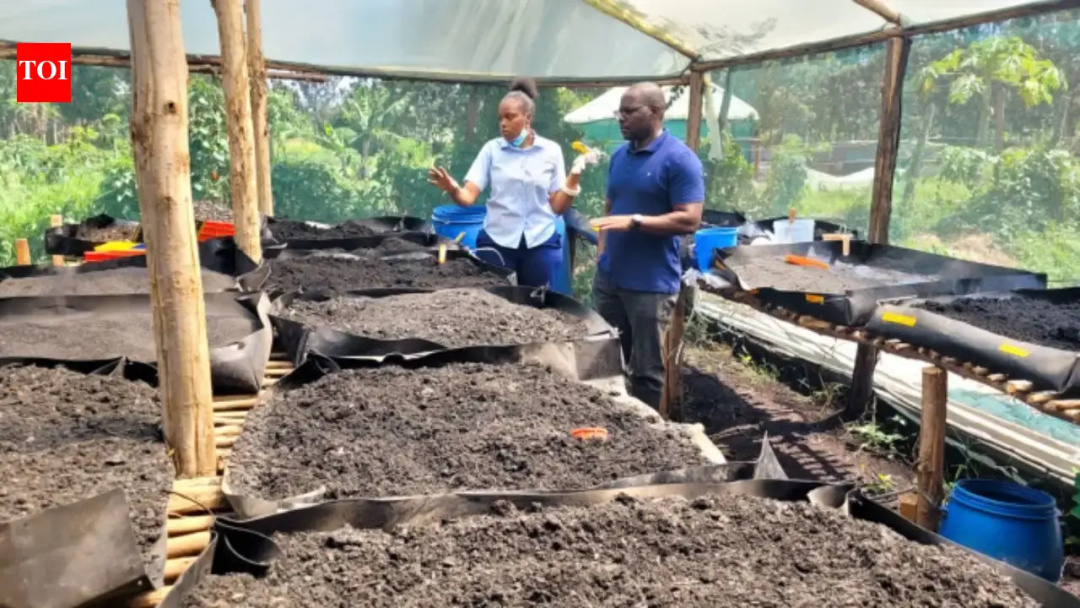
In Kisumu, Kenya, researchers are pioneering a project that converts human waste collected from informal settlements into agricultural fertilizer, potentially benefiting around 1,000 farmers. This innovative product, known as KIYA Gold, is a collaborative effort between Cornell University and local partners, aiming to link sanitation with food production. The initiative addresses the dual challenges of poor sanitation and depleted soils, which are prevalent in the region. Human waste that would typically pollute Lake Victoria is instead processed and treated to create a usable soil amendment.
The project has evolved over five years, with Cornell agroecologist Rebecca Nelson and Maseno University professor Charles Midega at the forefront. They have worked to formalize the process of turning organic waste into valuable agricultural nutrients. The collaboration includes local farmer Roy Odawa and Fresh Life, a private company that provides removable toilet facilities in Nyalenda, an informal settlement in Kisumu. The collected waste is transported to the KIYA facility for treatment.
Before reaching the fields, the waste undergoes a meticulous process. The solid material is dried and converted into biochar through pyrolysis, a method that involves heating the material at high temperatures to sterilize it by eliminating pathogens. Meanwhile, urine is treated separately, using lime or acid for sterilization and stabilization before being mixed with the biochar. This combination can be tailored to meet specific soil requirements.
The affordability of KIYA Gold is crucial, especially for young farmers in Kisumu who often cannot afford synthetic fertilizers. This new product offers a cost-effective alternative, potentially improving profit margins and enabling farmers to expand their agricultural activities. Early testing indicates that KIYA Gold enhances plant growth comparably to conventional fertilizers, with its biochar component contributing to long-term soil health.
The project also aims to protect Lake Victoria by preventing untreated human waste from entering the waterway, which can lead to pollution and harm aquatic life. By capturing and repurposing nutrients from waste, the initiative creates a sustainable cycle that connects sanitation, agriculture, and environmental protection.
However, the researchers acknowledge that further testing is necessary before KIYA Gold can be widely implemented. Concerns about the accumulation of heavy metals and salts in the fertilizer remain, as the pyrolysis process does not eliminate these contaminants. The team plans to conduct chemical analyses to assess nutrient content and contaminants in KIYA Gold, seeking to improve the treatment process and obtain government approval for broader distribution and marketing. Ultimately, this innovative approach aims to enhance soil health and food production while mitigating pollution in both urban settlements and the surrounding environment.