GLP-1 Medications for Adolescents: Navigating Benefits and Risks
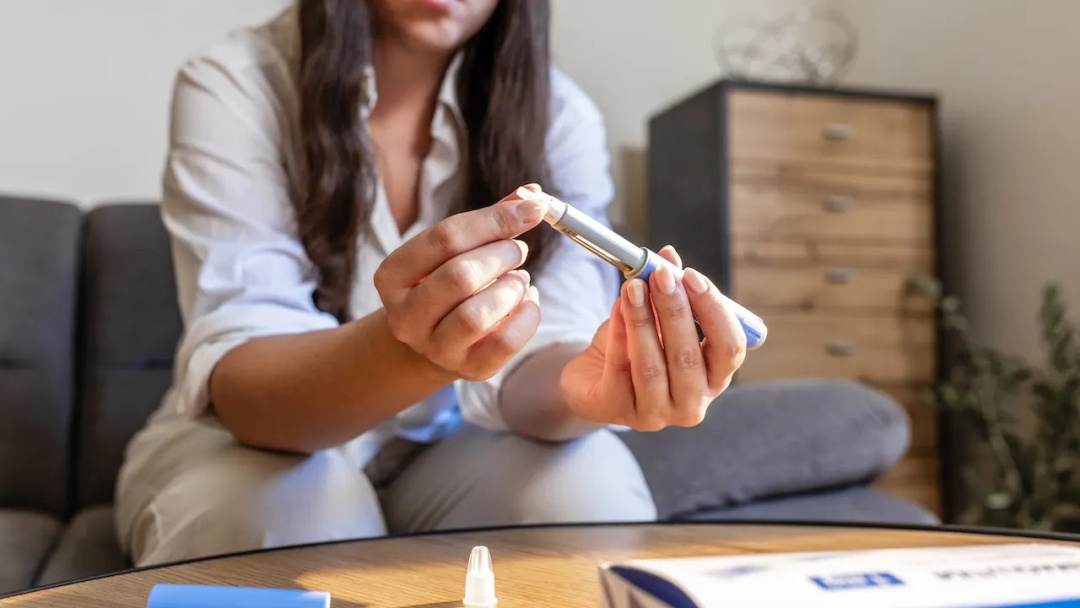
In recent years, the use of GLP-1 medications among adolescents has increased significantly, raising important questions for parents about their effects on health and development. For instance, Marcus, a 14-year-old football player, has seen improvements in his health after starting weekly GLP-1 injections for obesity and type 2 diabetes. While his blood sugar levels have normalized and he no longer experiences knee pain, he also faces side effects like nausea, particularly on game days. His concerns about potential impacts on growth and athletic performance reflect a broader anxiety among parents as these medications become more common.
Meanwhile, Maya, a 15-year-old gymnast, has taken a different route, acquiring semaglutide through unregulated means. Her experience underscores the risks of misuse and the lack of parental awareness about the dangers associated with these drugs. As GLP-1 prescriptions for adolescents have increased nearly tenfold since the approval of semaglutide, the urgency for parents to understand the implications of these medications has never been greater.
Clinical trials have shown that adolescents taking semaglutide can reduce their BMI significantly over a period of 68 weeks, comparable to results seen in adults. However, common side effects include gastrointestinal issues, and there is a noted increase in gallstones among users. While large reviews have not conclusively linked these drugs to depression or suicidal thoughts, anecdotal reports from adults suggest that some may experience mood changes, which is concerning given the already heightened risk of mood disorders in adolescents with obesity.
The long-term effects of GLP-1 medications on growth and bone health remain uncertain. Although current studies have not indicated short-term impacts on growth or puberty, the potential for bone density loss in adults raises questions about the implications for adolescents, a critical period for skeletal development. The absence of dedicated studies tracking bone health in teens using these medications adds to the complexity of the situation.
Another significant concern is the potential for eating disorders. While some clinicians report that GLP-1s can help manage binge eating, for others, particularly those already struggling with body image issues, these medications may exacerbate unhealthy eating patterns. The rise in poison-center reports related to GLP-1 misuse among adolescents highlights the need for parents to be vigilant and proactive.
To navigate these challenges, parents are encouraged to engage in open conversations with their children and healthcare providers about the use of GLP-1 medications. Monitoring their child's health, discussing any side effects, and understanding the broader implications of these drugs are crucial steps in ensuring their well-being. As the landscape of adolescent obesity treatment evolves, a balanced approach of hopeful vigilance is essential for families facing these complex decisions.