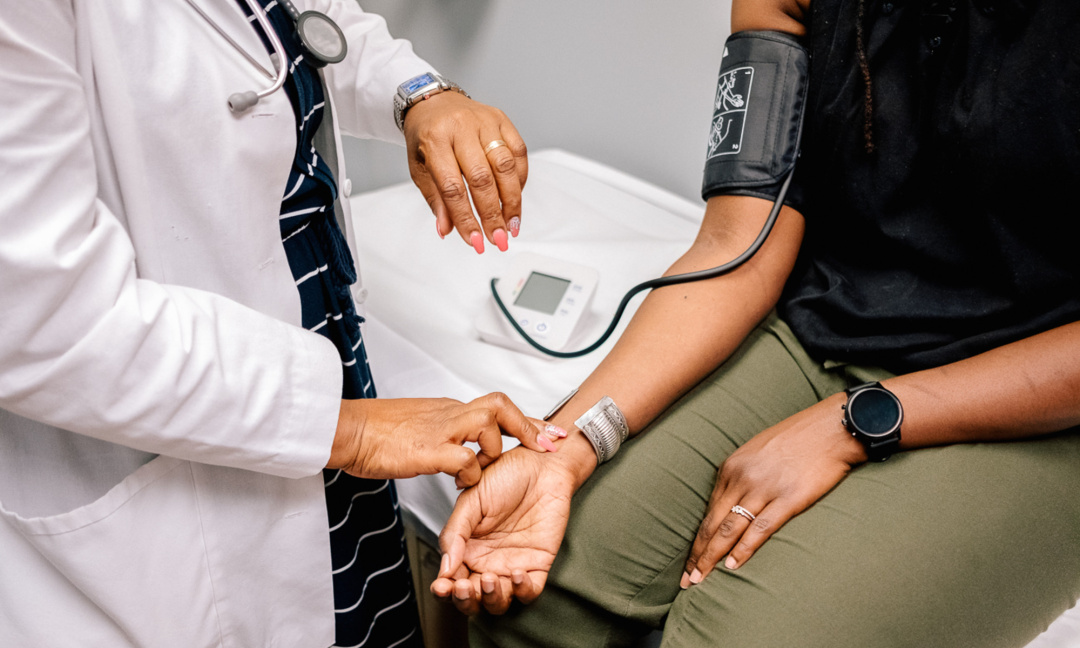
Understanding the Connection Between Hypertension and Stroke Risk
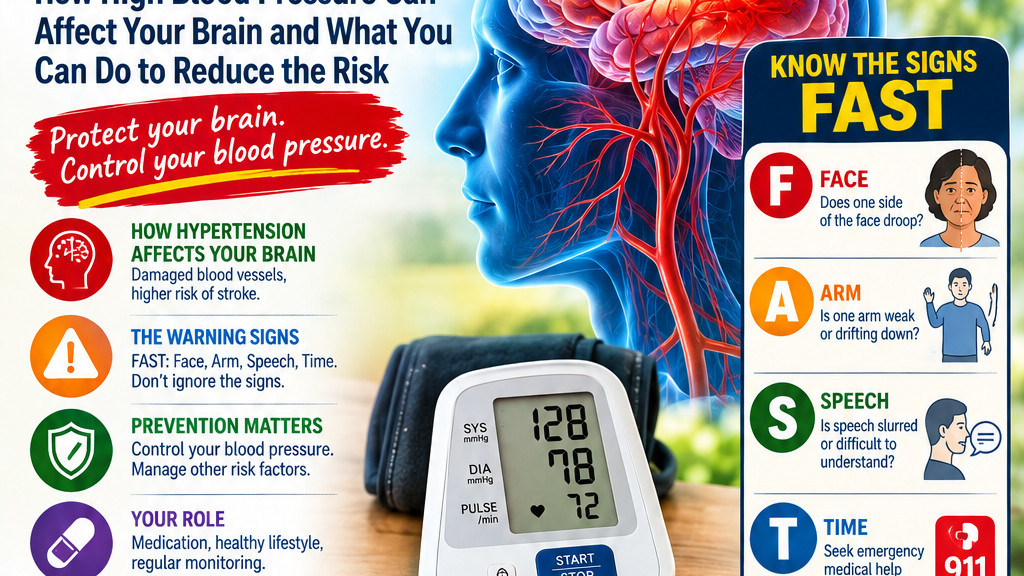
High blood pressure, or hypertension, is a leading modifiable risk factor for stroke, as highlighted by the World Health Organization. It is crucial to recognize the signs of a stroke, which may include sudden weakness on one side of the face, difficulty speaking, or weakness in an arm. These symptoms indicate that immediate medical attention is necessary, as every minute counts in preventing further brain damage. Hypertension can lead to strokes by causing blood vessels in the brain to either become blocked or rupture. The most common type of stroke is ischemic, caused by a blockage that prevents blood from reaching a part of the brain, while hemorrhagic strokes occur when a blood vessel ruptures, leading to bleeding in or around the brain. Both types require urgent medical intervention. The article explains that high blood pressure can cause long-term damage to blood vessels, leading to stiffening and narrowing, which increases the risk of blockages and bleeding. Therefore, controlling blood pressure is vital for reducing stroke risk. Many individuals with hypertension may not exhibit obvious symptoms, making regular monitoring essential to ensure blood pressure levels are managed effectively. The absence of symptoms does not mean that damage is not occurring. It is important to be aware of the signs of stroke, such as sudden numbness or weakness, dizziness, difficulty understanding speech, or a severe headache without a known cause. These symptoms necessitate immediate medical evaluation. Transient ischemic attacks (TIAs), often referred to as mini-strokes, can present similar symptoms that may resolve quickly but indicate a higher risk for future strokes. Individuals experiencing these symptoms should not ignore them, as they require urgent assessment. Effective management of hypertension involves consistent adherence to prescribed medications, maintaining a healthy diet, managing weight, and controlling conditions such as diabetes and cholesterol. The article emphasizes the importance of lifestyle choices in cardiovascular health, including reducing sodium intake by opting for fresh foods over processed ones. Regular monitoring of blood pressure and maintaining a record of readings can help individuals and healthcare providers make informed decisions about treatment adjustments. Uncontrolled hypertension can damage various organs, including the kidneys and heart, leading to serious complications. Understanding the interconnectedness of these health issues underscores the importance of managing blood pressure to prevent strokes and other cardiovascular problems. Overall, the article encourages proactive management of hypertension and awareness of stroke symptoms to improve health outcomes.