Tirzepatide Activates Calorie-Burning Brown Fat in Obese Mice, Indicating Benefits
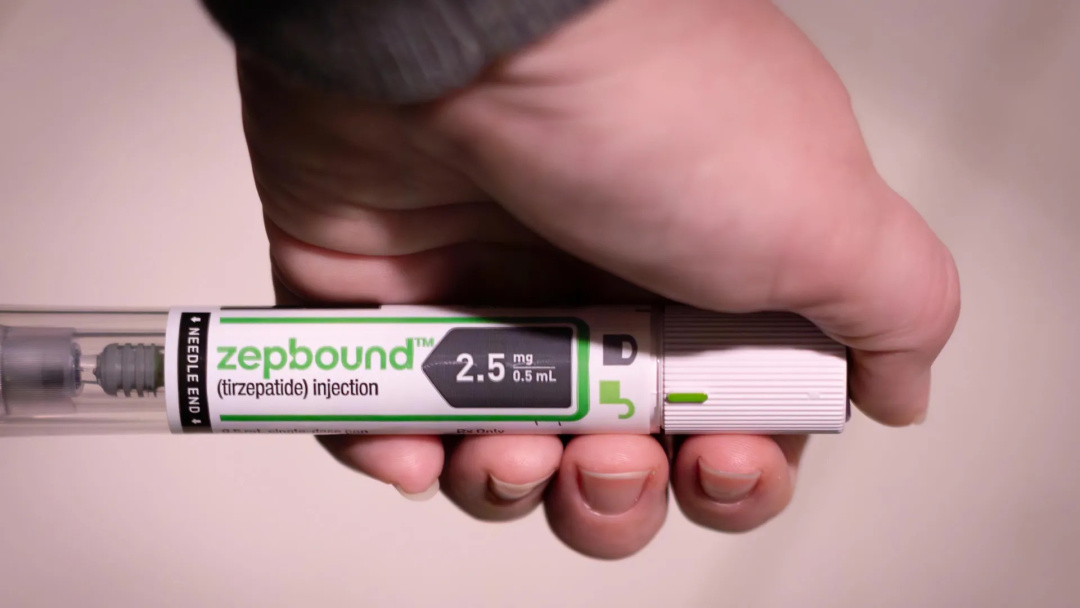
Tirzepatide, marketed as Mounjaro and Zepbound, has emerged as a significant treatment for obesity and associated conditions like type 2 diabetes. However, researchers continue to explore its precise mechanisms of action. A new study conducted on mice suggests that tirzepatide may directly enhance metabolism by activating brown adipose tissue, a type of fat known for its energy-burning capabilities.
The research, led by Marion Peyrou from the University of Barcelona, aimed to uncover whether tirzepatide induces metabolic changes beyond mere appetite suppression. The study involved administering tirzepatide to obese mice on a high-fat diet and comparing their metabolic responses to a control group of mice that did not receive the drug but were given the same caloric intake. This design allowed the researchers to isolate the effects of the drug from those caused by reduced food consumption.
The results revealed that tirzepatide activates brown adipose tissue, which is crucial for burning calories and utilizing energy. According to Peyrou, this activation is linked to an increased ability to burn metabolic energy and the production of batokines—beneficial molecules for metabolism—by the brown fat. This suggests that tirzepatide's benefits extend beyond weight loss through appetite reduction, potentially aiding in lowering blood glucose and fat levels while improving overall metabolic health.
Historically, activating brown fat has been considered a promising strategy for treating obesity and metabolic disorders. However, previous attempts to do so with other drugs have often led to adverse side effects, particularly cardiovascular issues. In contrast, tirzepatide appears to activate brown fat without these negative effects, potentially offering cardiovascular benefits as well. If these findings are validated in human studies, they could underscore the importance of developing obesity treatments that not only curb appetite but also enhance energy expenditure and activate brown fat.
The implications of this research could lead to more effective obesity therapies that target multiple physiological processes rather than focusing solely on appetite control. This approach may improve weight management and reduce the risk of related conditions such as type 2 diabetes.
Furthermore, understanding how tirzepatide functions could pave the way for more personalized treatment strategies. Identifying which patients might benefit most from this medication, particularly those with lower energy expenditure, could lead to a more tailored approach to obesity management.
Despite these promising findings, the researchers caution that the study was conducted on mice, and results cannot be directly extrapolated to humans. Significant differences exist between species regarding metabolic regulation, fat distribution, and drug responses. Therefore, further clinical research is necessary to confirm these effects in human populations and to understand the full potential and limitations of tirzepatide as a treatment for obesity.