Key Beverages for Kidney Health: Insights on Hydration and Organ Function
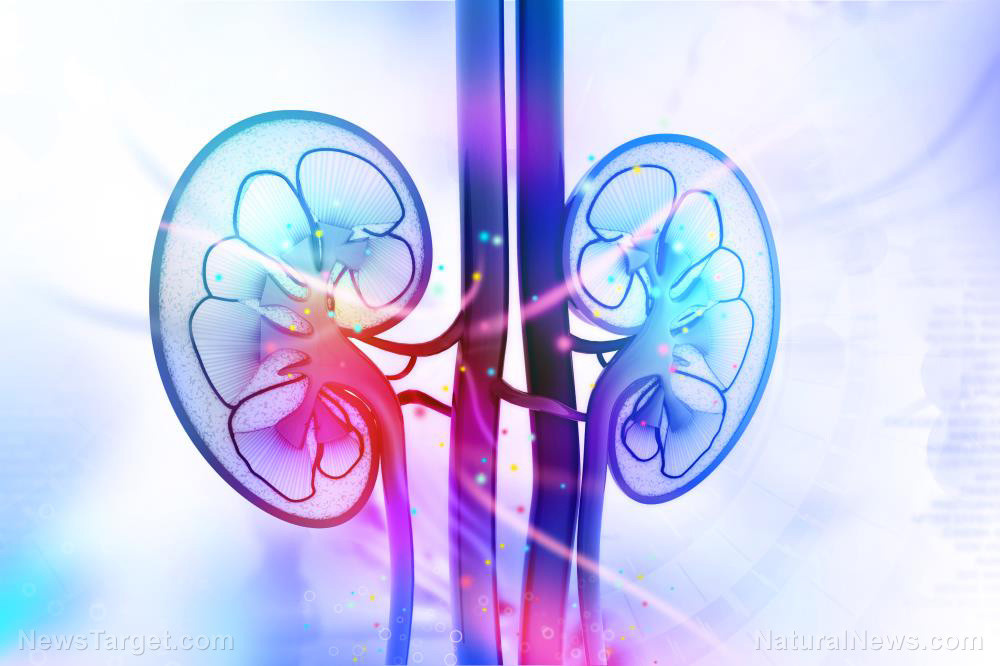
Every day, the kidneys filter approximately 50 gallons of blood, playing a crucial role in waste removal, mineral balance, and blood pressure regulation. With kidney disease affecting an estimated 37 million adults in the U.S. and many more at risk due to diabetes and hypertension, understanding which beverages support kidney health is increasingly important. Recent studies from 2025 and 2026 provide clearer guidance on optimal hydration choices for kidney function.
Health experts consistently rank plain water as the best beverage for kidney health. Water helps dilute urine, suppresses hormones that can negatively affect kidney function, and flushes waste without adding calories, sugar, or additives. The National Kidney Foundation advises individuals with a history of kidney stones to drink enough water to produce at least 2 liters of urine daily, which is roughly twelve 8-ounce glasses. A significant study conducted in 2024 involving over 50,000 adults found that higher water intake was associated with a lower likelihood of developing kidney issues. A simple way to assess hydration is to ensure that urine appears pale yellow rather than dark.
Research published in the British Journal of Urology has identified cranberry juice as an effective option for preventing kidney stones and alleviating urinary tract disorders. The antioxidants, vitamin C, and anthocyanins in cranberries have anti-inflammatory properties that contribute to kidney health. Citrus juices, such as orange juice and lemonade, also provide benefits due to their citrate content, which can neutralize stone-forming acids. One study indicated that drinking 2 ounces of lemon juice twice daily could help prevent kidney stone recurrence, although adherence to this regimen can be challenging. Additionally, coconut water has shown potential in animal studies for preventing crystal buildup, though human research is still limited.
For optimal preparation, a mix of one cup of unsweetened cranberry concentrate with three cups of pure water, sweetened with honey or stevia, can be consumed throughout the day. Unsweetened fruit juices generally offer hydration without the harmful additives found in many sugary commercial beverages.
Moderate coffee consumption has also been linked to a reduced risk of kidney stones. A compound in coffee known as trigonelline appears beneficial, and studies suggest that consuming one cup of caffeinated coffee daily may lower the odds of developing chronic kidney disease. Green tea, rich in catechins, provides antioxidants that support healthy blood vessel function. A 2023 study found that individuals who drank tea had a lower risk of acute kidney injury, with the most significant benefits observed at around 3.5 cups daily. While black tea contains flavonoids associated with improved heart and kidney health, it seems less effective against kidney stones compared to green tea.
It is important to note that these benefits apply only to unsweetened versions of these beverages. Added sugars and syrups can negate their protective effects.
Conversely, several beverages are known to harm kidney function. Sugar-sweetened drinks—including sodas, sweetened teas, energy drinks, and many commercial smoothies—are linked to increased risks for diabetes and hypertension, which are significant contributors to kidney disease. Dark colas, in particular, contain phosphoric acid that may cause kidney damage, especially in individuals with pre-existing conditions. A 2024 study revealed that consuming more than one serving of sugar-sweetened or artificially sweetened beverages daily was associated with a heightened risk of kidney disease. Energy drinks are particularly concerning due to their high caffeine, added sugars, and phosphorus content.
For most individuals, water remains the simplest and most effective choice for maintaining kidney health. Unsweetened cranberry juice, citrus juices, coffee, and green tea can offer additional protective benefits when consumed in moderation. However, those with existing kidney disease should consult their nephrologist or renal dietitian before making any dietary changes, as individual fluid and nutrient needs can vary significantly. The evidence is clear: the beverages you choose to consume are just as important as the quantity. Monitoring urine color to ensure it remains pale yellow is a straightforward method for assessing proper hydration and kidney health.