Five High-Fiber Fruits and Vegetables to Enjoy This Fall
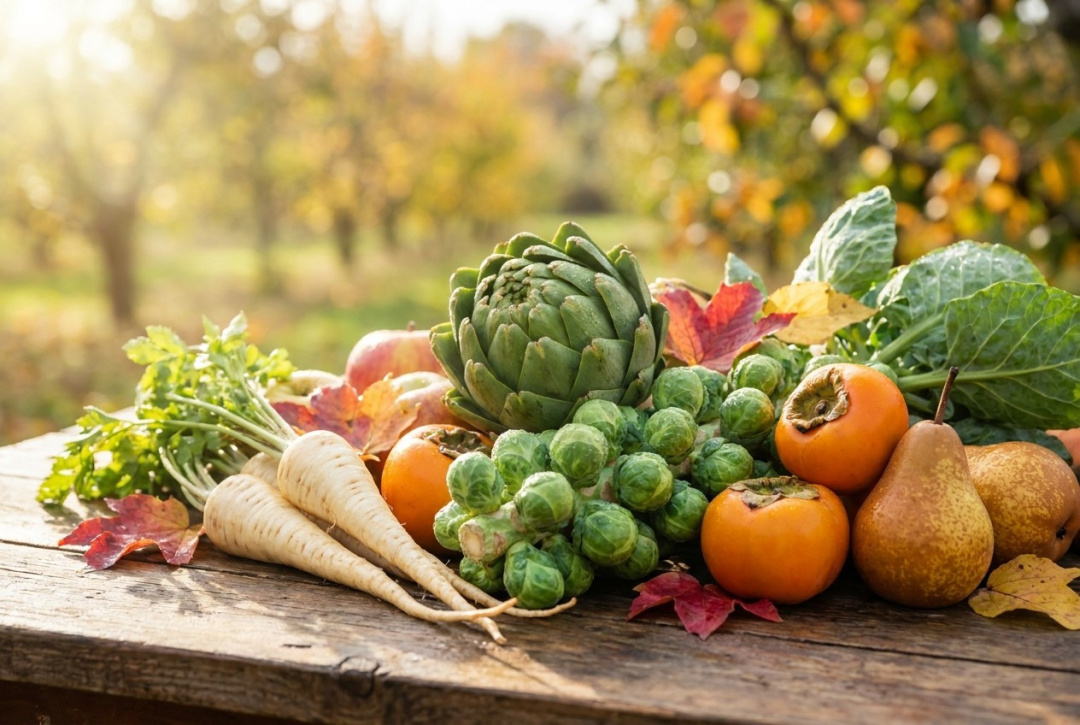
As fall approaches, dietitians are highlighting five fruits and vegetables that are not only in season but also rich in dietary fiber: artichokes, Brussels sprouts, parsnips, persimmons, and pears. These seasonal produce items can contribute significantly to daily fiber intake, which is crucial for maintaining digestive health and preventing chronic diseases. Public health guidelines from the U.S. Food and Drug Administration recommend that adults consume between 20 and 30 grams of fiber daily, yet many fall short of this target. In fact, fewer than 10% of U.S. women and only 3% of men meet these recommendations due to insufficient intake of whole fruits, vegetables, nuts, and seeds.
Artichokes are a standout choice, containing approximately 6.84 grams of fiber per medium artichoke, along with 63.6 calories and 3.47 grams of protein. They can be easily incorporated into various dishes such as salads, pasta, and grain bowls. Brussels sprouts, another fall favorite, provide about 3 grams of fiber and 38 calories per cup. Roasting them enhances their natural sweetness, making them a delightful addition to any meal.
Parsnips, which contain 7 grams of fiber and 100 calories per cup, offer a slightly sweet flavor that pairs well in soups or when roasted. Persimmons, with 6.05 grams of fiber and 118 calories each, can add a unique taste to oatmeal or salads. Lastly, pears contribute 6 grams of fiber and 101 calories per medium fruit, with the skin being a significant source of fiber. They can be enjoyed fresh, in oatmeal, or baked with spices.
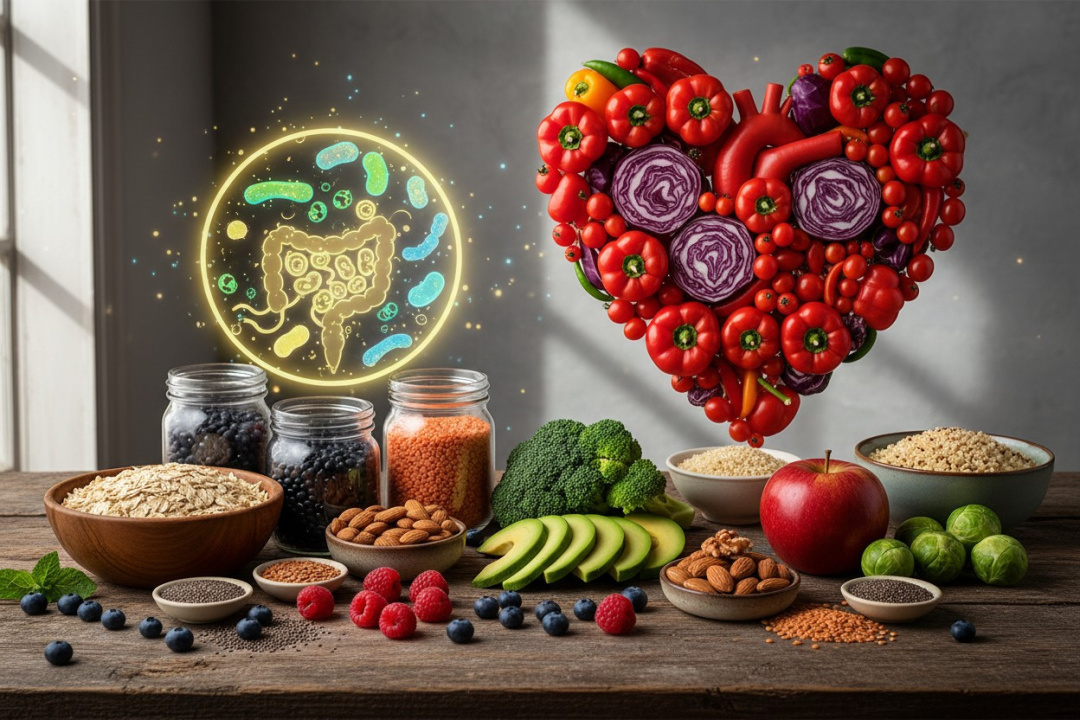
Dietitians emphasize the importance of gradually increasing fiber intake by incorporating one to two new high-fiber foods into meals throughout the day. Adequate hydration is also essential, as increasing fiber without sufficient fluid intake can lead to digestive discomfort. Research indicates that dietary fiber not only aids in digestion but also supports a healthy gut microbiome, which is vital for overall health.
Moreover, studies have shown a correlation between high fiber consumption and a reduced risk of various cancers, including colorectal cancer. The American Gastroenterological Association has recognized increased fiber intake as a beneficial strategy for managing digestive health, particularly in alleviating symptoms associated with hemorrhoids. By prioritizing these high-fiber foods in your diet this fall, you can enjoy both their nutritional benefits and seasonal flavors while supporting your overall wellness.