Efficient Lactosucrose Production via Whole-Cell Biocatalyst from Lactococcus sp.
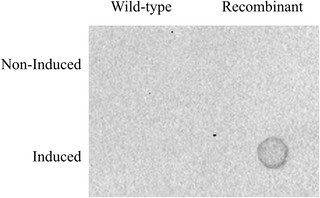
Lactosucrose, a functional trisaccharide recognized for its prebiotic properties, is gaining attention for its potential applications in food and agriculture. However, its industrial production has been hampered by low conversion efficiency and high processing costs. A recent study aimed to address these challenges by developing a whole-cell biocatalyst using Lactococcus sp. KTH0-1S, which was engineered to express β-galactosidase through a nisin-inducible expression system. This innovative approach resulted in a maximum whole-cell β-galactosidase activity of 146.0 Miller units after four hours of induction. The engineered strain effectively catalyzed the synthesis of lactosucrose from lactose and sucrose, with optimal activity observed at a pH of 6.0 and a temperature of 50 °C. The study found that the substrate molar ratio significantly influenced product formation, achieving the highest lactosucrose concentration of 15,940 mg/L at a lactose to sucrose ratio of 1:3. Reusability studies indicated that while the biocatalyst maintained high initial catalytic activity, its stability decreased upon repeated use, likely due to the non-covalent nature of the LysM-mediated surface anchoring. Molecular docking analysis corroborated these findings, identifying a substrate-binding pocket that enhances transgalactosylation under sucrose-rich conditions. Overall, this research demonstrates the feasibility of utilizing Lactococcus sp. as a whole-cell biocatalyst for cost-effective lactosucrose production, paving the way for scalable systems to synthesize functional oligosaccharides. This study not only highlights the potential of lactosucrose as a prebiotic but also emphasizes the need for further exploration into safe and efficient production methods.