Minnie Baloyi-Chiwenga's Wellness Plus Movement Highlights Health Challenges in Zimbabwe
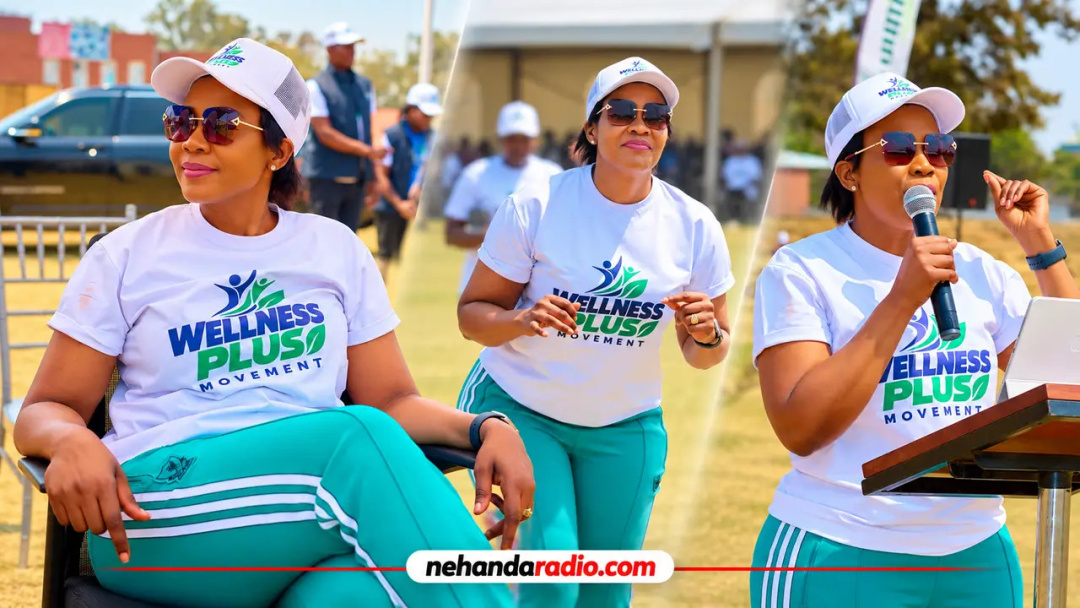
Colonel Minnie Baloyi-Chiwenga's Wellness Plus Movement is putting a spotlight on health and fitness as Zimbabwe faces significant challenges with hypertension and other non-communicable diseases. Launched in September 2026 to coincide with her 50th birthday, the initiative includes a US$10,000 weight-loss challenge designed to inspire Zimbabweans to adopt healthier lifestyles. Early in the morning, Baloyi can be seen engaging in a rigorous workout routine, reflecting her military background and commitment to fitness. This initiative has sparked widespread conversation across social media and in communities, with many sharing workout videos and discussing nutrition.
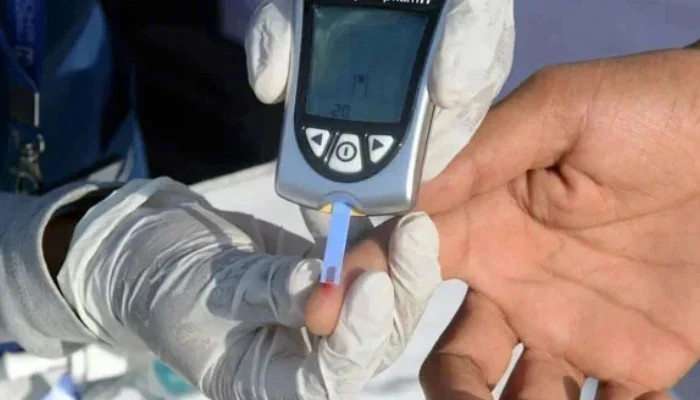
The urgency of this movement is underscored by alarming statistics: non-communicable diseases account for about 40 percent of annual deaths in Zimbabwe. The World Health Organization reports that hypertension affects approximately 42 percent of adult men and 46 percent of adult women aged 30 to 79. Alarmingly, only 17 percent of those with high blood pressure have it under control. With physical inactivity at 27 percent among adults and obesity rates nearing 16 percent, the need for action is clear.
The contrast between Baloyi's disciplined approach to wellness and the struggles of everyday Zimbabweans highlights the public health crisis. Many individuals, like Tendai Moyo, an informal trader, may not recognize the symptoms of hypertension, attributing them to fatigue and financial stress. The Wellness Plus Movement aims to change this narrative by encouraging individuals to take charge of their health through exercise and better nutrition.
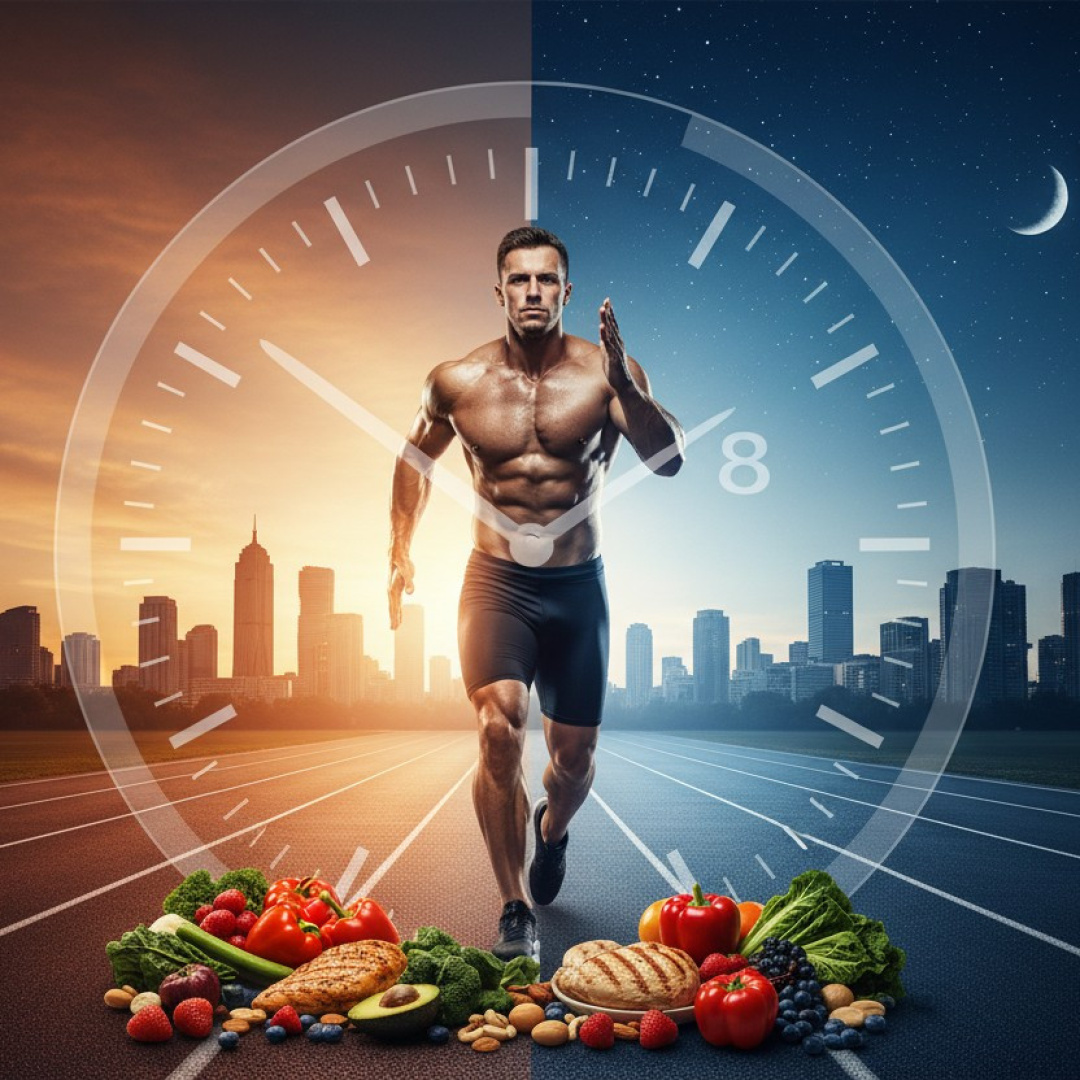
Baloyi emphasizes the importance of long-term lifestyle changes over short-term weight loss, stating, "The goal is to revolutionize the wellness and fitness space by providing science-backed knowledge and programmes that enhance overall wellbeing." Her initiative combines structured exercise with nutritional awareness, stress management, and community accountability, aiming to create a supportive environment for participants.
However, public health experts caution that while community fitness initiatives are valuable, they cannot replace formal medical care. Dr. Farai Makoni, a physician, stresses that lifestyle modifications should complement, not replace, prescribed medical treatments for those with established health conditions. Registered dietitian Sarah Pfokucho echoes this sentiment, highlighting the importance of regular health screenings.
Despite the enthusiasm surrounding the movement, practical challenges remain. Many Zimbabweans face barriers to adopting healthy lifestyles, such as rising food costs and limited access to safe exercise environments. Dr. Makoni points out that expecting individuals to prioritize health without addressing systemic issues can be unrealistic.
The Wellness Plus Movement does not claim to solve Zimbabwe's public health challenges, but it does represent a significant shift in public consciousness about health management. By fostering discussions around fitness and nutrition, Baloyi is helping to make proactive health care a necessity rather than a luxury for many Zimbabweans. As the movement gains traction, it highlights the critical need for a holistic approach to health that includes both individual responsibility and systemic support.