Study Links Polyamine Metabolism to Middle Ear Infections in Children
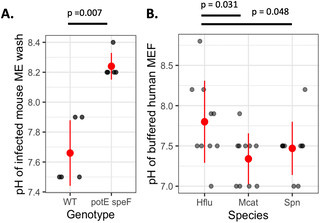
A recent study published in PLOS Pathogens has shed light on the mechanisms behind middle ear infections (otitis media, OM), a common ailment affecting children. The research focuses on the bacterium Haemophilus influenzae, which is the most prevalent pathogen associated with OM. The study involved whole-genome sequencing of over 200 clinical isolates from both healthy children and those prone to OM, aiming to identify bacterial genes linked to the disease. The findings revealed that certain gene absences, particularly those related to polyamine metabolism and alkaline tolerance, are significantly associated with OM. Notably, five out of seven identified associations were linked to gene absences, indicating a potential role in the bacterium's adaptation to the alkaline environment of the middle ear. Laboratory tests demonstrated that strains lacking the potE-speF operon, which is involved in polyamine transport, exhibited a marked increase in bacterial burden in a mouse model of OM. This suggests that these strains have a selective advantage in the alkaline conditions of the middle ear, which can arise from or promote H. influenzae infections. The study's results highlight the complex interplay between bacterial genetics and environmental factors in the pathogenesis of OM. The implications of this research extend beyond understanding bacterial behavior; they may inform future diagnostic and therapeutic strategies aimed at managing recurrent OM in children. The study was conducted by a team from Drexel University College of Medicine and other institutions, and it underscores the importance of exploring host-mediated mechanisms that could limit pathogen burden in susceptible populations. Overall, this research contributes valuable insights into the genetic factors influencing the transition of commensal bacteria to pathogenic forms, particularly in the context of childhood infections.














