Ecuador Nutrition Trial Highlights Dietary Needs for Pregnant Women in St. Louis
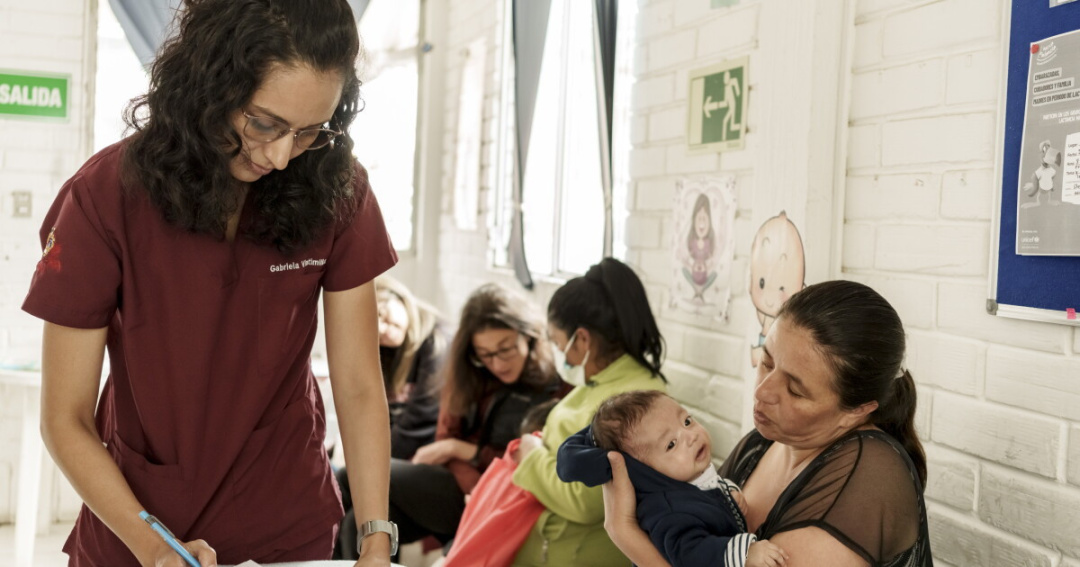
Researchers at Washington University in St. Louis have drawn important insights from a recent nutrition trial conducted in Ecuador, which could have significant implications for pregnant women in the St. Louis area. The trial, known as Mikhuna, which means "nourish" in Kichwa, involved 215 healthy pregnant women from low-resource communities near Quito. The study observed that women who consumed a diet rich in healthy proteins, fruits, and vegetables, while reducing processed foods, experienced notable brain development in their fetuses.
Lora Iannotti, a public health professor at the WashU Bursky School of Public Health and the principal investigator of the trial, noted that the goal was to diversify the diet of pregnant women using native foods. This initiative is now being mirrored in St. Louis, where researchers aim to identify local foods that are healthy, accessible, and affordable.
During the trial, women were randomly assigned to either an intervention group, which received weekly deliveries of eggs, fish, fruits, and vegetables from the 12th week of pregnancy until birth, or a control group that received standard prenatal care. The findings revealed that by late pregnancy, the intervention group had a more diverse diet and exhibited greater fetal brain growth, particularly in areas associated with movement, sensory processing, and cognitive functions.
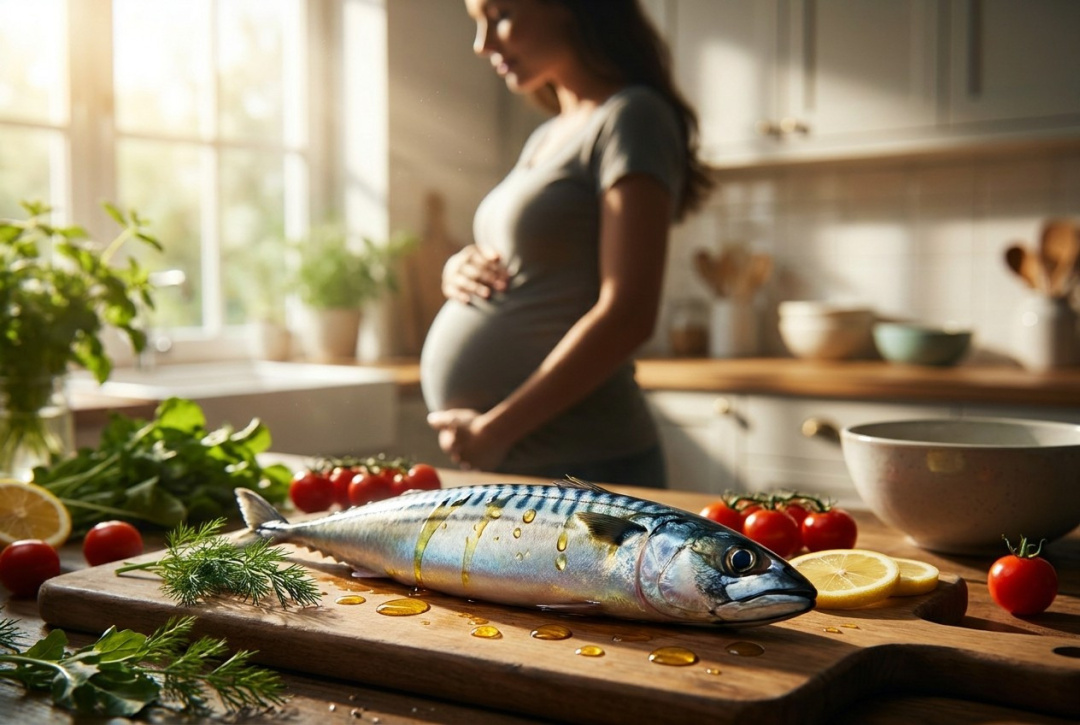
Iannotti emphasized that the consumption of fish likely contributed to this brain growth, although she acknowledged that definitive conclusions cannot yet be drawn. The research team also collaborated with Ecuador's government to ensure continued access to these healthy foods for women in the study communities.
In discussing the broader implications of the study, Iannotti highlighted the issue of food access, particularly for those living in poverty. In the greater St. Louis region, approximately one in six residents lives in poverty, including over 173,000 children. She pointed out that many individuals often rely on staple foods that are predominantly carbohydrate-based, such as rice or maize, which limits their intake of essential nutrients.
Currently, the researchers in St. Louis are working on initiatives to promote food forests, which combine environmental sustainability with improved food access in food deserts. They aim to raise awareness of healthier food choices that are native to the region, such as pawpaws, and to ensure that communities have access to nutritious options like mushrooms, pecans, and hazelnuts.
The pilot study in Ecuador was funded by the Children’s Discovery Institute, St. Louis Children’s Hospital Foundation, and WashU Medicine, costing approximately $500,000. Iannotti's work underscores the importance of addressing specific nutrient deficiencies in diets, a challenge faced both in Ecuador and in the United States.