Dietitians Discuss Optimal Timing for Dietary Fat Consumption
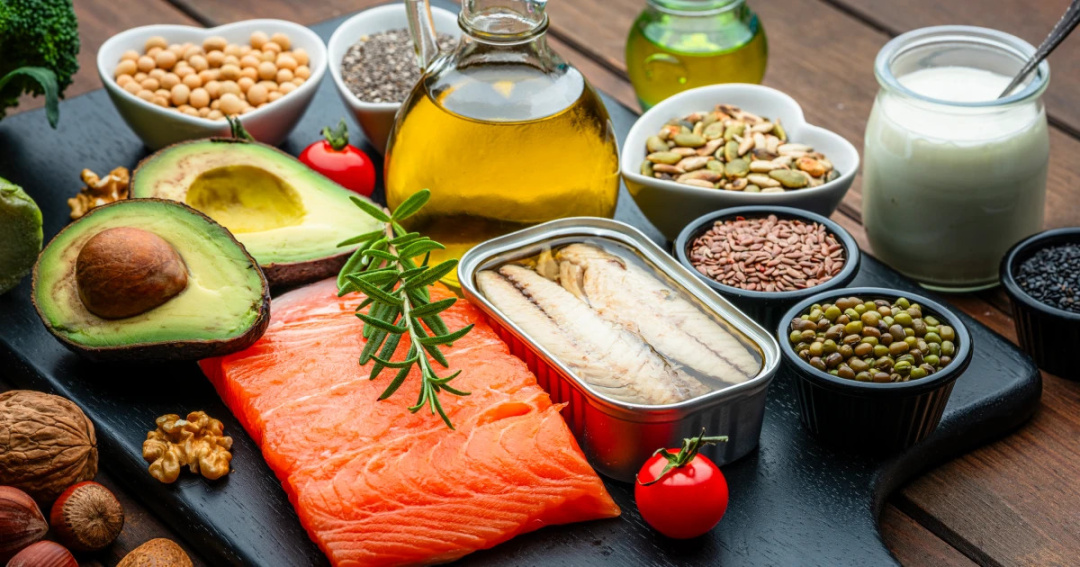
For years, the perception of dietary fats has shifted dramatically. Once viewed as detrimental to weight loss efforts, fats are now recognized for their essential roles in nutrition. The latest Dietary Guidelines for Americans encourage the inclusion of healthy fats in meals, moving away from the stigma associated with fat-free or low-fat foods. Registered dietitian Natalie Rizzo highlights that fats are crucial for absorbing fat-soluble vitamins like A, D, E, and K, supporting hormone production, and providing sustained energy. She emphasizes the importance of choosing the right types of fats, such as unsaturated fats found in nuts, seeds, avocados, olive oil, and fatty fish, which are linked to heart health. However, due to their calorie density, portion control is vital. Dietitian Lisa Young advises that while incorporating fats into meals is beneficial, it is essential to spread fat intake throughout the day. Both experts agree that breakfast is an excellent opportunity to include healthy fats, as many people typically start their day with carbohydrate-heavy meals. Adding sources of fat, like nut butter or avocado, can enhance satiety and help maintain fullness longer. Young notes that including fats at breakfast or lunch can help stave off cravings later in the day. They caution against consuming too much fat in a single meal, as it can lead to bloating and discomfort, particularly for individuals with digestive issues. Spacing out fat consumption can aid in controlling hunger and stabilizing blood sugar levels. Rizzo, who advocates for a plant-forward diet, enjoys incorporating healthy fats into her meals, using nuts, seeds, and olive oil in various dishes throughout the day. However, they warn that consuming large, high-fat meals late at night can be problematic. Fats slow digestion, which may cause discomfort or indigestion, especially if one lies down shortly after eating. A study has indicated that consuming saturated fats late at night can disrupt the body's internal clock, making it the least favorable time for high-fat meals. If hunger strikes in the evening, Rizzo suggests opting for healthy fats in moderation, avoiding heavy, fried foods close to bedtime. This balanced approach to fat consumption can contribute to overall health while minimizing potential digestive issues.