Gloucester Marine Genomics Institute Aims to Support Fisheries and Workforce Development
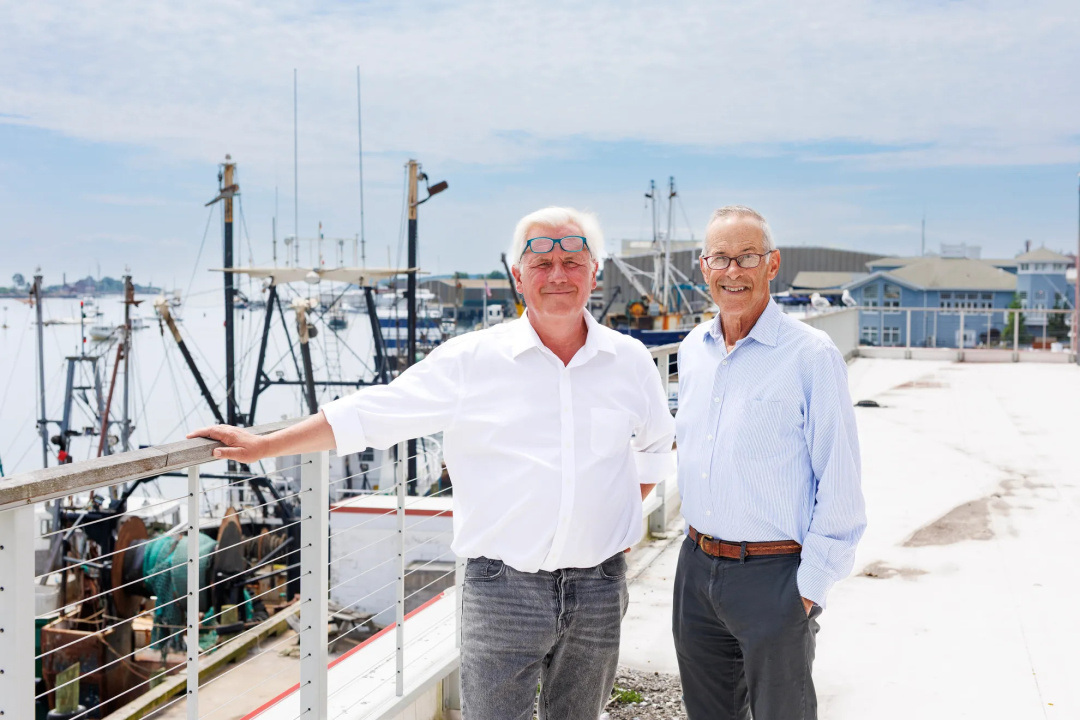
In 2012, Massachusetts state Rep. Ann-Margaret Ferrante proposed an innovative solution to assist fishermen in Gloucester, whose Atlantic cod population had been declining for decades due to overfishing. Recognizing the need for better stock management, Ferrante approached David Walt, then a professor at Tufts University, to explore the potential of genomic sequencing in tracking fish populations. This collaboration led to the establishment of the Gloucester Marine Genomics Institute (GMGI), a nonprofit focused on supporting sustainable fisheries and advancing marine science.
The GMGI's founding team includes notable figures such as Greg Verdine and Marc Vidal, both of whom have strong ties to Harvard University. Their mission is to apply the scientific expertise developed at Harvard to benefit the Gloucester community. The institute operates from a repurposed eel processing plant, strategically located near the harbor, allowing for direct interaction between researchers and local fishermen. This proximity fosters collaboration, with fishermen often bringing specimens for analysis, further bridging the gap between marine research and local fishing practices.
At GMGI, the research team, led by Science Director Andrea Bodnar, is investigating the genome of sea urchins to understand their remarkable longevity, which could yield insights applicable to human health. The institute's work extends beyond marine biology; it also aims to train a new generation of STEM professionals through the Gloucester Biotechnology Academy, which prepares local youth for careers in laboratory technology. This initiative addresses the economic challenges faced by fishing families, many of whom have struggled with unemployment across generations.
The academy teaches essential skills, including laboratory techniques and professional development, to help students transition from gig economy jobs to stable careers in science. Some graduates find employment at GMGI, while others pursue further education to enhance their career prospects. The academy plans to expand its reach with a new location in Boston's Seaport by 2027.
Research at GMGI also includes environmental DNA (eDNA) studies, which utilize genetic material from the ocean to assess fish populations. This innovative approach has gained traction among fisheries managers, validating the original vision that brought Ferrante and Walt together. Despite the challenges facing Gloucester's fishing industry, the GMGI aims to position the city as a hub for marine science and sustainability, fostering a community that values both scientific inquiry and the health of its fisheries.
While the institute's work is crucial for the local economy and marine conservation, it is clear that rebuilding Gloucester's fishing industry will require more than scientific advancements. The GMGI's commitment to providing data and insights to fishermen and regulators reflects its dedication to supporting sustainable practices and revitalizing the community.