Trichinella spiralis Protease Inhibitor Shows Promise Against Obesity and Inflammation
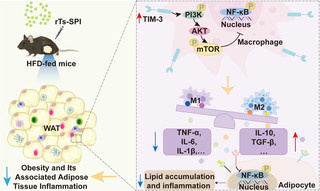
A study published in PLOS Pathogens presents findings on a serine protease inhibitor (Ts-SPI) derived from Trichinella spiralis, which shows promise in addressing obesity and adipose tissue inflammation induced by a high-fat diet (HFD). The research indicates that pro-inflammatory M1 polarization of adipose tissue macrophages (ATMs) is a significant contributor to metabolic inflammation, and repolarizing these macrophages towards an anti-inflammatory M2 state could be a viable therapeutic strategy. The study utilized an obese mouse model to investigate the effects of recombinant Ts-SPI (rTs-SPI) treatment. Results demonstrated that rTs-SPI not only reduced obesity and inflammation in adipose tissue but also reprogrammed macrophages from an M1 to an M2 phenotype. This transformation was confirmed through in vitro studies involving RAW264.7 cells and bone marrow-derived macrophages (BMDMs). Furthermore, the study identified the immune checkpoint molecule TIM-3 as a key mediator in this process, with downstream signaling pathways involving PI3K/AKT/mTOR being implicated. The findings suggest that Ts-SPI could serve as a novel immunomodulatory candidate for metabolic disorders, emphasizing the potential of helminth-derived molecules in therapeutic applications. The research underscores the importance of understanding the interactions between parasites and host immune responses, which may lead to innovative treatments for obesity and related metabolic conditions. Overall, this study opens avenues for further exploration of parasite-inspired therapies in metabolic health, particularly in the context of chronic inflammation associated with obesity.