Fibremaxxing: A Simple Approach to Boosting Gut Health Through Increased Fiber Intake
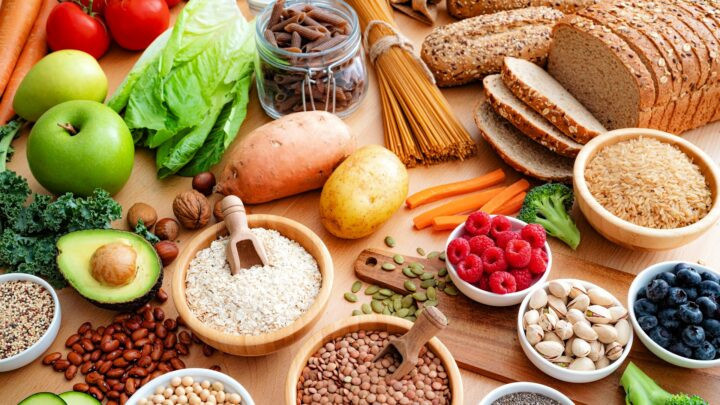
Fibremaxxing is emerging as a notable nutrition trend that encourages individuals to increase their daily fiber intake by consuming more fiber-rich foods. This approach stands in contrast to many fad diets that often involve eliminating entire food groups or meticulously counting calories. Instead, fibremaxxing promotes the addition of fruits, vegetables, legumes, whole grains, nuts, and seeds to daily meals, with proponents suggesting that it can enhance digestion, aid in weight management, and contribute to overall health benefits.
The term 'fibremaxxing' reflects a social media phenomenon aimed at maximizing health benefits through intentional dietary changes. While the terminology may be new, the underlying concept of increasing fiber intake is well-established. Dietary fiber, a type of carbohydrate found in plant foods, cannot be fully digested by the body. Instead, it passes through the digestive system, promoting regular bowel movements and nourishing beneficial gut bacteria.
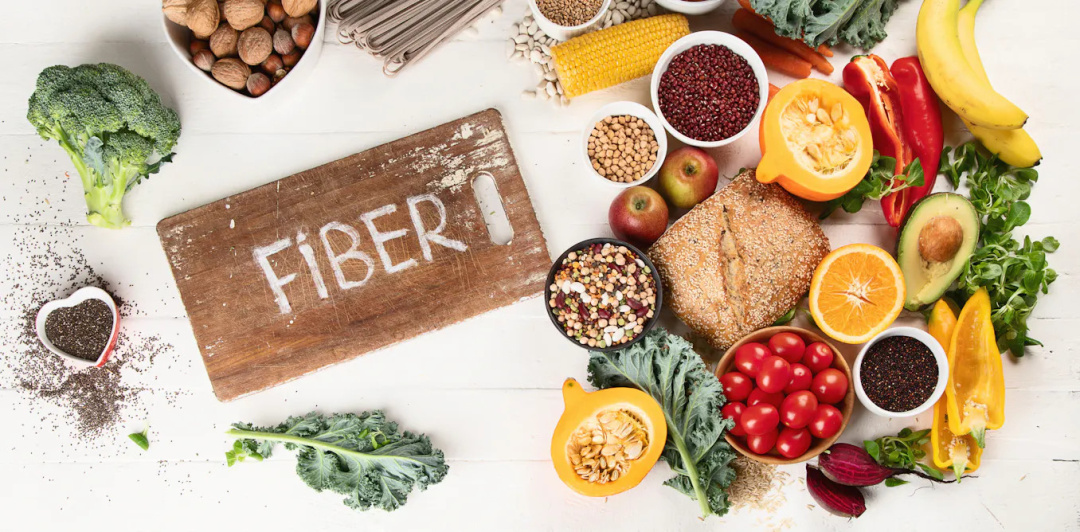
Health professionals have long advocated for a diet rich in fiber, yet many individuals do not meet the recommended daily intake. According to dietary guidelines, adults should aim for approximately 25 to 30 grams of fiber each day, but many fall short of this target. The essence of fibremaxxing lies in constructing meals around naturally fiber-rich foods, including fruits like apples, pears, and berries; vegetables such as broccoli, carrots, and leafy greens; nuts and seeds like chia and flaxseeds; and whole grains including wholemeal bread, brown rice, and quinoa.
Fiber serves multiple functions in the body. Certain types absorb water and help soften stools, while others contribute bulk to waste as it moves through the digestive tract. Additionally, some fibers act as prebiotics, feeding the healthy bacteria in the gut, which play a crucial role in digestion, immunity, and overall health.
Research indicates that a higher intake of fiber is linked to various health benefits. Improved digestion is one of the most immediate outcomes, with individuals who increase their fiber intake often experiencing more regular bowel movements and fewer digestive issues, such as constipation. Moreover, fiber can promote satiety, helping individuals feel fuller for longer, which may assist in healthy weight management. Many fiber-rich foods take longer to digest, potentially reducing the frequency of snacking between meals.
Studies have also associated higher fiber consumption with a lower risk of heart disease, type 2 diabetes, and certain bowel conditions. Some research suggests that a diverse, fiber-rich diet may support a healthier gut microbiome, an increasingly recognized factor in overall health.
Despite the potential benefits of fibremaxxing, experts recommend a gradual increase in fiber intake rather than a sudden spike. A rapid increase can lead to bloating, gas, and abdominal discomfort, particularly for those unaccustomed to high levels of plant-based foods. Adequate hydration is also crucial, as fiber absorbs liquid, and insufficient water intake can exacerbate constipation.
Individuals with specific digestive conditions, such as irritable bowel syndrome (IBS), may need to be selective about the types of fiber they consume and should consult healthcare professionals for personalized advice.
In summary, while fibremaxxing may not be the flashiest diet trend circulating on social media, it is rooted in a well-established principle: most individuals would benefit from increasing their fiber intake. By incorporating more fruits, vegetables, legumes, and whole grains into their diets, many can enhance their digestive health and potentially support their heart, metabolism, and overall well-being.