MIT Researchers Develop Automated Technique for Producing Lipid Nanoparticles
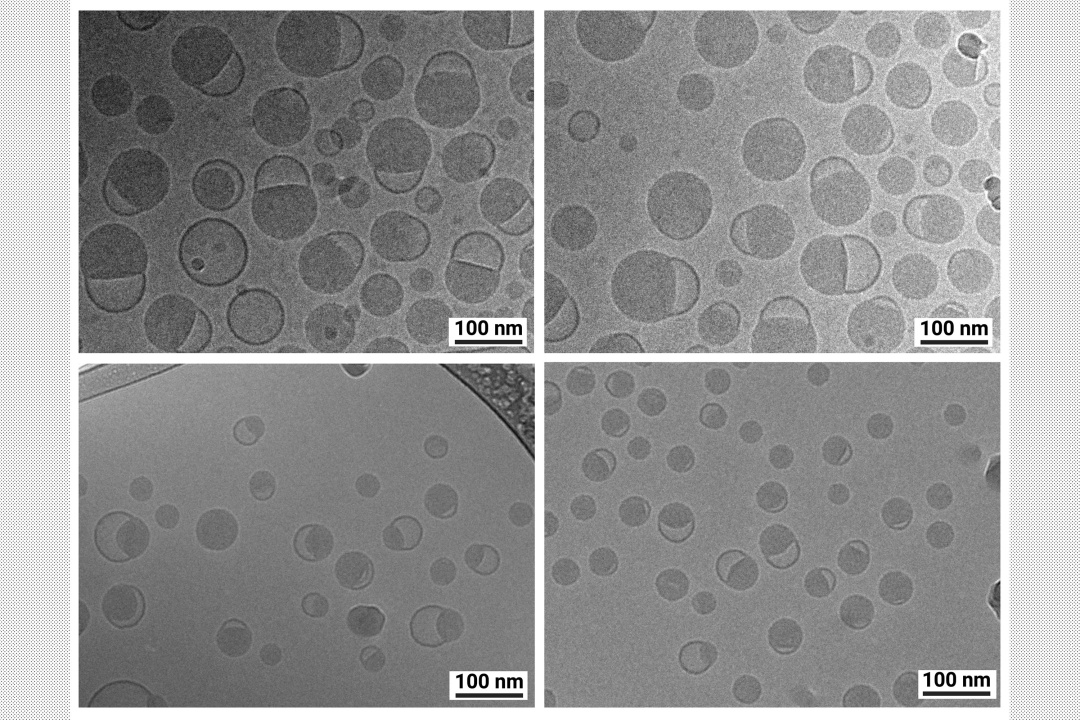
Researchers at MIT have developed a novel technique for producing lipid nanoparticles (LNPs), which are essential for the delivery of RNA vaccines and other nucleic acid therapeutics. This new method allows for much faster production and greater precision in controlling the size and shape of these particles, which is crucial for their effectiveness in targeting specific organs and tissues in the body. The process can be fully automated, eliminating the need for human intervention, which could greatly accelerate the development of new RNA and DNA therapies.
According to Cedric Devos, a postdoctoral researcher at MIT and one of the lead authors of the study, this new approach enables researchers to identify the parameters that will generate specific attributes in size and shape before testing the particles' performance. This capability represents a significant advancement over current methods, which often rely on time-consuming trial-and-error experiments with limited control over the desired characteristics of the LNPs.
Allan Myerson, a professor in MIT's Department of Chemical Engineering and the senior author of the study, emphasized the complexity of controlling the size and shape of LNPs. Previous production methods did not allow for reliable control, making this new technique a powerful development tool.
Lipid nanoparticles typically consist of four components: an ionizable lipid, a phospholipid, cholesterol, and a lipid attached to polyethylene glycol (PEG), which stabilizes the LNP. To create these particles, two streams of fluid are mixed at high speeds. One stream contains lipid molecules in ethanol, while the other contains mRNA in an acidic buffer. However, the flow rates of these two streams are not equal, leading to challenges in achieving precise control over the resulting particles.
In a previous study published in ACS Nano, the MIT team demonstrated that they could improve control over particle size by breaking the mixing process into two distinct steps. Initially, mRNA and lipids are mixed at equal flow rates, followed by a delay before adding more buffer to halt particle growth. This method allows for manipulation of the residence time, influencing particle size and shape.
The recent study builds on this foundation by automating the two-step mixing process and integrating a dynamic light scattering device to measure particle sizes during formation. This innovation allows researchers to specify a desired particle size, and the system will adjust parameters to achieve that size. The researchers have also filed for a patent on this technology and are working to commercialize it through a new venture called BIZON Labs.
The research was supported by the U.S. Food and Drug Administration and the Koch Institute Support Grant from the National Cancer Institute, highlighting its potential impact on future RNA therapeutic developments. The findings were published in ACS Nano, showcasing the significant strides made in the field of RNA delivery systems and their implications for metabolic health and therapeutic advancements.