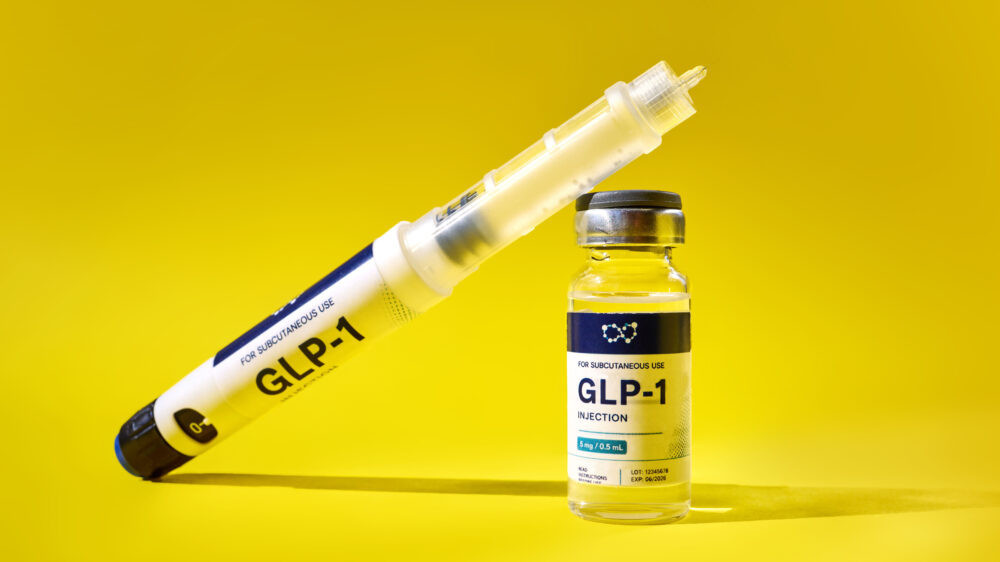
GLP-1 Weight-Loss Drugs May Influence Cancer Risk, Research Suggests

Sai Yendamuri, M.D., a thoracic surgeon at Roswell Park Comprehensive Cancer Center in Buffalo, New York, discussed the potential for weight-loss drugs to influence cancer risk in an interview with Fox News Digital. As GLP-1 medications, including semaglutides like Ozempic and Wegovy, and tirzepatides like Mounjaro and Zepbound, gain traction in treating obesity and diabetes, researchers are exploring their effects on cancer outcomes. The American Association for Cancer Research's 2026 Cancer Progress Report highlighted obesity as a significant risk factor for various cancers. While some studies suggest that GLP-1 medications might lower the risk of certain cancers, the report emphasizes that the overall evidence is inconclusive, necessitating further research. Yendamuri pointed out that obesity is a leading cause of cancer, second only to smoking, and other factors like alcohol and poor nutrition contribute to this risk. He noted that if a drug can effectively reduce obesity, it stands to reason it could also impact cancer risk. Yendamuri mentioned evidence from studies on metabolic surgery patients, which showed a decrease in cancer incidence following weight loss. Additionally, comparisons between patients on GLP-1 receptor agonists and those not taking them indicated lower cancer risk and improved survival rates among those using the medications. However, he cautioned that some studies did not find a significant relationship and a few even indicated an increased risk of certain cancers, such as thyroid cancer. This inconsistency is attributed to the retrospective nature of many studies, which analyze existing data and may overlook other influencing variables. Yendamuri's research consistently shows a link between obesity and lung cancer, noting that the definition and measurement of obesity are evolving beyond traditional BMI metrics. He shared findings indicating that patients undergoing lung cancer surgery who were on GLP-1 receptor agonists had lower recurrence rates. Yendamuri believes that these medications may alter the body's immune response to cancer cells, enhancing the ability to combat them. He acknowledged that the benefits may vary depending on cancer type, with immune response being more critical in certain cancers like melanoma. He also noted that while weight loss is a likely contributor to any observed cancer benefits, not all patients respond with significant weight loss. Future trials could clarify whether the cancer prevention benefits of GLP-1 receptor agonists depend on weight loss. Yendamuri expressed hope that these drugs could eventually be recognized as a preventive measure against cancer, emphasizing the importance of lifestyle changes alongside medical treatments in enhancing cancer care and preventing recurrence. He also highlighted the need for continued funding for the National Cancer Institute to support ongoing research in this area.