New Study Highlights Importance of Flavanols for Heart Health
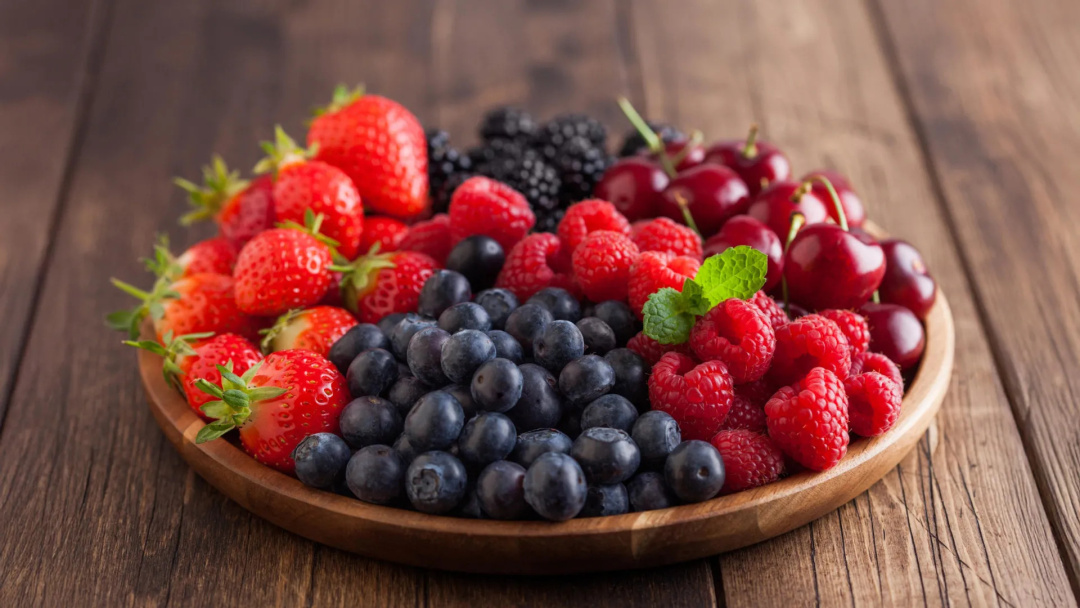
A large international study has found that incorporating foods rich in flavanols, such as blueberries, plums, blackberries, broad beans, and cherries, into daily diets could significantly support heart health. Conducted by scientists from the University of Reading, Harvard Medical School, the University of California Davis, and Mars, Inc., the research indicates that most people fail to consume adequate amounts of flavanols, which are natural compounds associated with a reduced risk of heart disease. The study, published on June 8, 2026, in the journal Food and Function, analyzed dietary data from over 30,000 individuals in the United Kingdom and the United States, utilizing biomarker measurements to assess flavanol intake. Dr. Javier Ottaviani, the lead author, emphasized that while many assume that eating a variety of fruits and vegetables suffices for heart health, the specific types of foods consumed are more critical than the overall quantity. He noted that including a handful of blackberries, a whole apple, or a cup of green tea with meals could enhance flavanol consumption and absorption. Earlier research, including the COSMOS study, indicated that a daily intake of 500 milligrams of flavanols could significantly lower the risk of death from heart disease. However, the new findings suggest that most individuals remain below this threshold, even when following standard healthy eating guidelines like the NHS Eatwell Guide. The study's results raise questions about whether current dietary recommendations adequately address the need for flavanols. Professor Gunter Kuhnle from the University of Reading remarked that while the five-a-day guideline is beneficial, it may be necessary to consider which specific fruits and vegetables are included. Different produce offers varying nutritional benefits beyond basic vitamins and minerals, and as research evolves, there is an opportunity to refine dietary guidelines to better support heart health. The researchers concluded that while consuming a variety of fruits and vegetables is essential, the types chosen can significantly influence the heart health benefits derived from the diet.