Fiber-Rich Fruits Highlighted for Their Role in Enhancing Gut Health

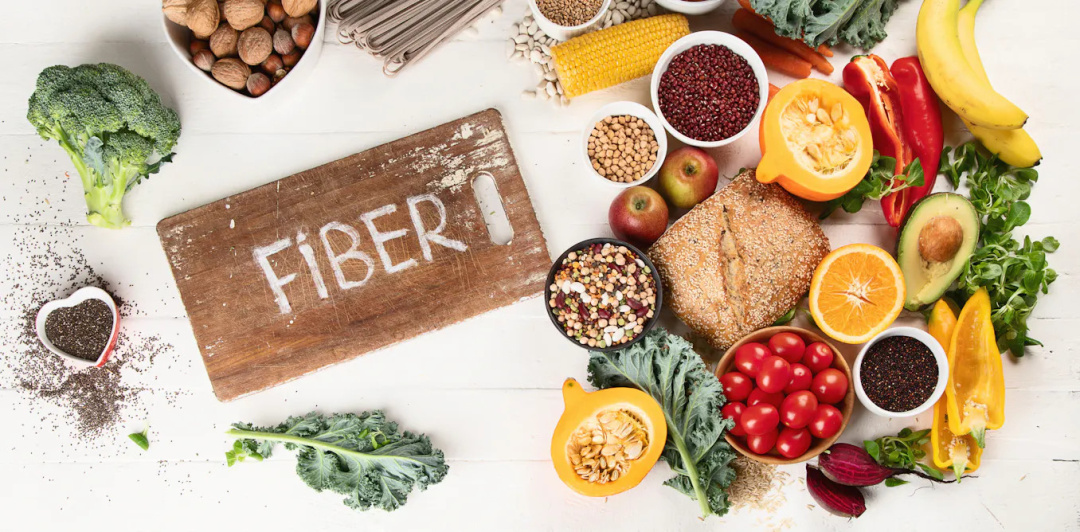
A growing focus on gut health has brought fiber-rich fruits into the spotlight, particularly as the average American diet falls short of the recommended daily intake of 25 to 34 grams of fiber. This deficiency is linked to various health issues, including constipation, colorectal cancer, and metabolic diseases. Nutrition scientists have identified six fruits—passion fruit, apples, blackberries, raspberries, pears, and avocados—as the highest-fiber options available, offering a natural solution to this widespread problem.
Passion fruit leads the pack with an impressive 25 grams of fiber per cup, meaning that just one serving can fulfill nearly an entire day's fiber requirement. This tropical fruit is rich in insoluble fiber, which helps add bulk to stool and promotes regular bowel movements. In contrast, a medium apple provides about five grams of fiber, which includes soluble pectin that ferments in the gut to nourish beneficial bacteria while also softening stool. Research suggests that regular apple consumption may lower the risk of colorectal cancer due to the combined effects of fiber and polyphenol antioxidants that reduce inflammation.
Berries such as blackberries and raspberries contribute eight grams of fiber per cup, accounting for approximately 27% of the daily fiber intake. These fruits contain both soluble and insoluble fiber, which work together to support digestive health. The insoluble fiber helps move waste through the intestines, while the soluble fiber forms a gel that can stabilize blood sugar levels. Additionally, the antioxidants found in berries, particularly anthocyanins, may help reduce gut inflammation, making them beneficial for those with digestive issues.
Pears also stand out for their fiber content, offering six grams per medium fruit, which is about a quarter of the daily requirement. They contain sorbitol, a natural sugar alcohol that acts as a mild osmotic laxative, drawing water into the colon and easing bowel movements. Avocados, often considered a unique fruit due to their high healthy fat content, provide 14 grams of fiber per whole fruit. They have been shown to enhance gut microbiome diversity, which is associated with improved immune function and reduced inflammation.
Kiwi, while lower in fiber compared to passion fruit and avocados, has gained attention for its digestive benefits. Studies indicate that consuming two kiwis daily can significantly improve bowel movement frequency and alleviate digestive discomfort in individuals suffering from chronic constipation. New dietary guidelines recommend eating two to three kiwis per day for at least four weeks to support digestive health.
Despite the clear advantages of increasing fiber intake, health experts advise against making drastic changes too quickly. A sudden increase in fiber consumption can lead to digestive discomfort, including bloating and gas. Therefore, it is recommended to gradually increase fiber intake while ensuring adequate hydration. Pairing high-fiber fruits with protein sources, such as nut butter or Greek yogurt, can also help maintain stable blood sugar levels.
In summary, incorporating fiber-rich fruits like passion fruit, avocados, pears, and berries into the diet can significantly enhance gut health and provide a natural remedy for digestive issues. As the conversation around nutrition continues to evolve, these fruits represent a simple yet effective way to address fiber deficiency without the need for supplements or medications.