Weight Loss Practices Among Chinese Adolescent Sanda Athletes: Medalists vs. Non-Medalists
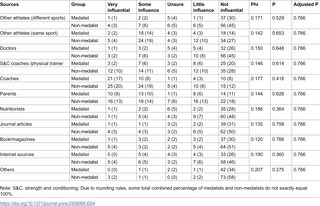
A recent study aimed to explore the weight loss (WL) practices and perceptions among Chinese national-level adolescent Sanda athletes, distinguishing between medalists and non-medalists. Conducted through a cross-sectional survey, the research engaged 164 participants, with 158 valid responses collected using the Rapid Weight Loss Questionnaire (RWLQ). The athletes were categorized based on their competitive achievements, with 79% reporting intentional weight loss. Initial analyses suggested that medalists exhibited greater habitual weight loss percentages and lower weight regain before competitions compared to non-medalists. However, these differences did not hold statistical significance after adjustments for multiple comparisons.
The study's findings indicate that WL practices and perceptions are largely similar between medalists and non-medalists, challenging the assumption that competitive success is associated with distinct weight management behaviors. Despite the nominal associations observed, the lack of robust evidence suggests that systematic differences in WL characteristics based on medal achievement may not exist. This is particularly concerning given the high prevalence of weight loss practices among these adolescent athletes, which could pose health risks during a critical developmental period.
Sanda, an unarmed combat sport derived from traditional wushu, has gained popularity globally, with athletes competing in weight classes to avoid disqualification. The study underscores the importance of understanding WL behaviors in combat sports, where athletes often engage in weight loss to meet competition requirements. Previous research has shown that a significant portion of athletes across various combat sports engage in WL practices, raising concerns about the potential health implications associated with these behaviors.
The study utilized purposive and convenience sampling methods to recruit participants, ensuring that all athletes met specific inclusion criteria. Data collection was conducted both online and offline, with a focus on ensuring that participants understood the questionnaire without biasing their responses. The results were analyzed using SPSS, revealing that while the prevalence of WL is high, the differences in practices between medalists and non-medalists are not statistically significant.
Ultimately, the study highlights the need for increased awareness and monitoring of weight loss practices among adolescent athletes, particularly in high-stakes competitive environments. The findings call for further research to explore the long-term implications of these practices on health and performance, especially in a population characterized by both competitive pressure and developmental vulnerability.