Resmetirom Reduces Atherosclerosis-Related Dyslipidemia and Inflammation in Mice
Atherosclerosis, characterized by lipid accumulation and inflammation, poses significant cardiovascular risks. A pressing clinical need exists for therapies that can effectively lower lipid levels while also addressing vascular inflammation. Recent research has turned attention to thyroid hormone receptor β (THR-β) agonists, particularly resmetirom, which is an oral medication aimed at improving lipid metabolism without the cardiotoxic effects associated with traditional thyroid hormone therapies. In a study conducted on apolipoprotein E-deficient (ApoE-/-) mice, which are commonly used to model accelerated atherosclerosis, researchers aimed to explore the impact of resmetirom on dyslipidemia and vascular inflammation.
In this study, ApoE-/- mice were fed a high-fat diet for eight weeks and subsequently randomized into three groups: a vehicle control group, a low-dose group receiving 3 mg/kg/day of resmetirom, and a high-dose group receiving 10 mg/kg/day. The treatment lasted for an additional eight weeks, during which various parameters were measured, including serum lipid levels, inflammatory cytokines, and aortic plaque morphology.
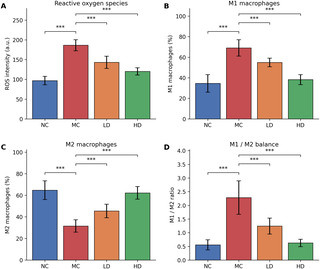
The results indicated that resmetirom treatment led to a significant reduction in aortic plaque burden and a correction of atherogenic dyslipidemia. Specifically, high-dose resmetirom resulted in a 39.48% decrease in low-density lipoprotein cholesterol (LDL-C) and a marked reduction in aortic lipid accumulation. Additionally, inflammatory markers such as interleukin-1β (IL-1β) were suppressed by 59.28%. The study also observed a decrease in oxidative stress and a shift in macrophage polarization, indicating a reduction in vascular inflammation.
These findings suggest that resmetirom may attenuate the processes associated with atherosclerosis, including dyslipidemia and inflammation, through modulation of the NF-κB/ROS-NLRP3 inflammatory pathway. However, the authors emphasize the need for further mechanistic studies to validate these results in models with direct pathway perturbations. The study highlights the translational potential of resmetirom in addressing atherosclerotic cardiovascular disease, marking a significant step forward in the search for effective treatments targeting both lipid levels and vascular inflammation.