Prune Juice: Nutritional Insights and Its Role in Digestive Health
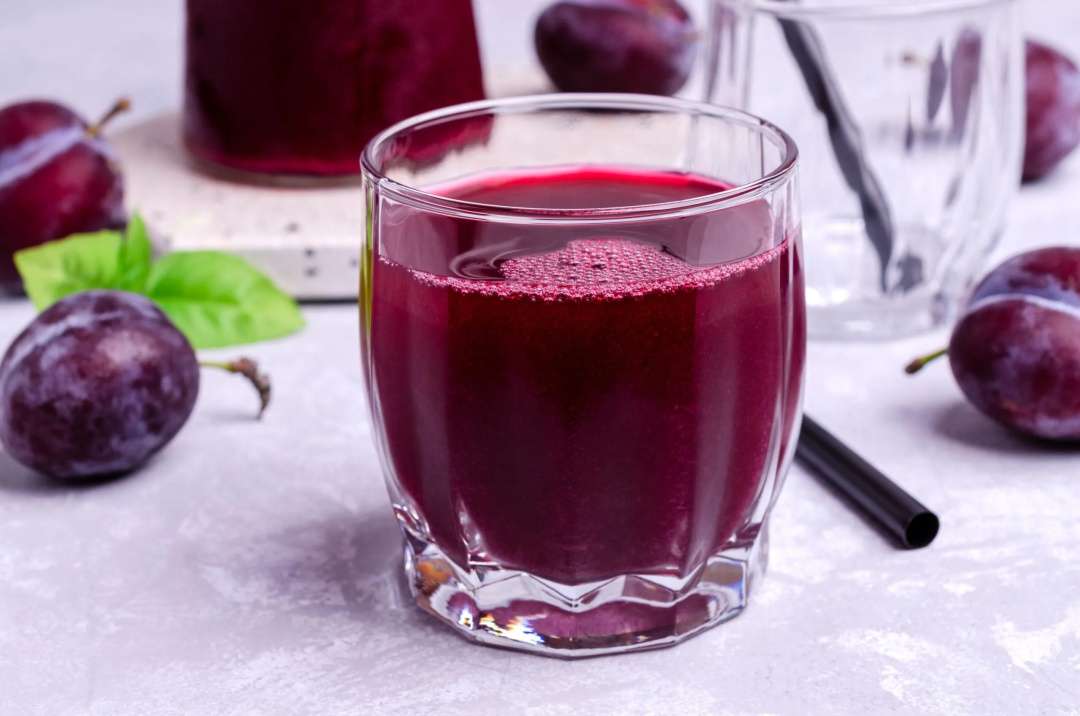
Prune juice is increasingly featured in discussions about gut health, often consumed warm as a morning ritual or mixed with other ingredients for added flavor. Traditionally viewed as a remedy for constipation, it is now being embraced as a wellness drink. Prunes, the dried form of plums, retain their natural sugars and nutrients, but juicing removes much of the fiber, which is crucial for digestive health.
A standard 4-ounce serving of prune juice contains approximately 90 calories and 21 grams of naturally occurring sugars, along with essential nutrients like potassium and vitamin B6. These nutrients play significant roles in bodily functions, with potassium contributing to heart health and vitamin B6 aiding in protein metabolism. However, the lack of fiber in prune juice means it may not provide the same feeling of fullness as whole prunes or other fiber-rich foods.
Research supports the use of prune juice for alleviating constipation. Studies indicate that regular consumption can lead to improved stool consistency and a reduction in constipation symptoms, making it a reliable option for those seeking digestive relief. However, it is essential to note that while prune juice may help with feelings of lightness and reduced bloating, these effects do not equate to fat loss. The calories and sugars in prune juice can add up, potentially complicating weight-loss efforts if consumed in large quantities.
For those considering prune juice as part of a weight-loss strategy, it can be included, but its primary benefit lies in digestive health rather than fat burning. Whole prunes are generally a better choice for those looking to manage hunger and increase fiber intake. The fiber in whole prunes contributes to satiety and helps regulate appetite more effectively than prune juice.
Prune juice also contains sorbitol, a sugar alcohol that aids in digestion by drawing water into the intestines, which can help soften stool. This property is particularly beneficial for individuals experiencing constipation. However, those sensitive to FODMAPs should be cautious, as sorbitol can cause gastrointestinal discomfort in larger amounts.
In summary, while prune juice can be a healthy addition to a balanced diet, especially for its digestive benefits, it should not be viewed as a weight-loss solution. For those focused on weight management, incorporating whole prunes may offer more advantages due to their higher fiber content and lower calorie density. As always, moderation is key, and individuals should consider their overall dietary patterns when including juices like prune juice in their meals.