New Framework Analyzes Tissue-Specific Glycan Biosynthesis Potential
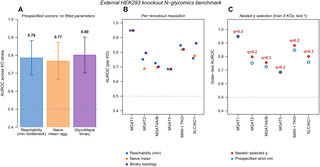
Glycan biosynthesis is a critical process involving complex sugars that coat cells, influencing their interactions, responses to signals, and roles in diseases. A recent study by Yusuke Matsui presents a new method called glycan reachability analysis, which seeks to quantify the biosynthetic potential of glycans across different human tissues using transcriptomic data. This innovative framework addresses limitations in existing computational tools that typically reduce gene expression data to binary presence or absence, thus overlooking valuable quantitative information.
The glycan reachability analysis integrates expression-based Z-scores across various biosynthetic pathway steps, employing AND/OR logic to produce continuous scores that allow for tissue-comparable assessments. This method was applied to a substantial dataset of 17,382 RNA-seq samples from 54 human tissue types, revealing significant differences in glycan biosynthetic potential that were previously obscured by simpler analytical methods. For instance, while the pancreas showed a high binary positivity for the sialyl Lewis X (sLeX) pathway, its reachability score indicated low median expression levels, suggesting that the pathway's potential is not fully realized.
The study emphasizes that the reachability score reflects the weakest step in the biosynthetic pathway, which constrains overall glycan production. This approach allows researchers to prioritize tissues and pathways for further experimental validation, rather than serving as a direct measure of glycan abundance or enzymatic activity. The findings also indicate that while reachability can correlate with signaling-response transcripts, it does not establish causation between glycans and signaling changes.
Matsui's research underscores the complexity of glycan biosynthesis and the need for detailed analysis of gene expression to better understand tissue-specific glycan production. The study suggests that reachability should be viewed as a hypothesis-generating tool, guiding future investigations into glycan roles in health and disease. Overall, this work contributes to the field of glycobiology by providing a novel framework for analyzing the intricate processes involved in glycan biosynthesis, with implications for understanding cell signaling and potential disease mechanisms.














