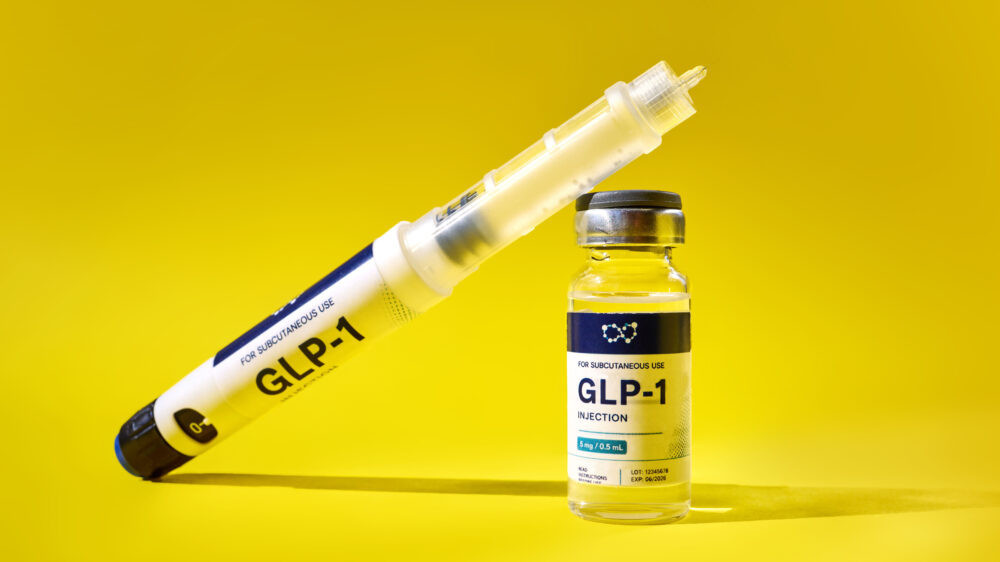
Lawsuits Highlight Risks of Sudden Vision Loss Linked to GLP-1 Medications
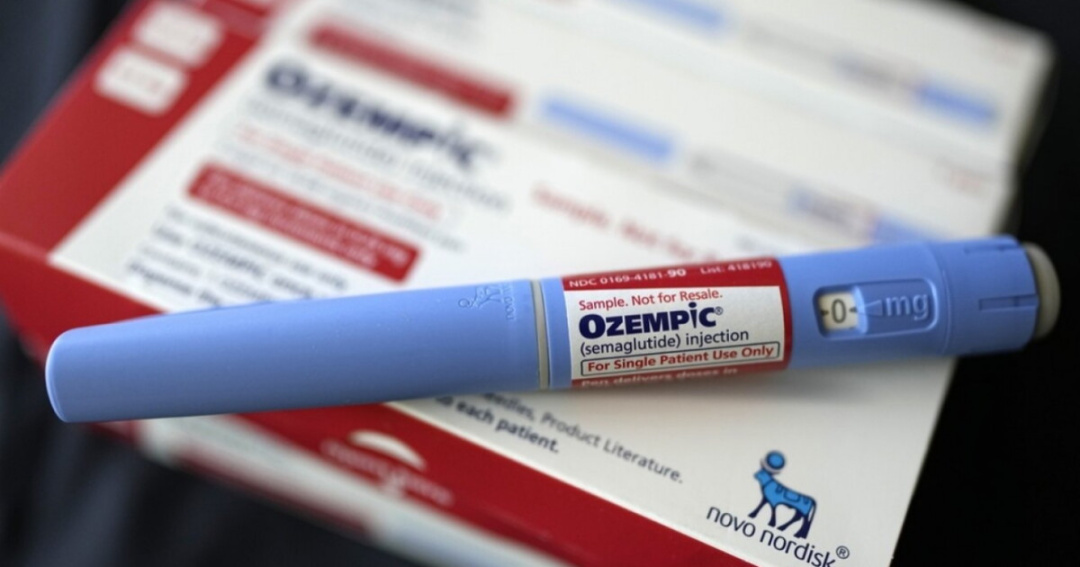
In recent health news, a growing number of lawsuits have emerged against the makers of popular GLP-1 medications, including Ozempic and Wegovy. These lawsuits stem from concerns regarding a rare form of vision loss known as nonarteritic anterior ischemic optic neuropathy (NAION). Plaintiffs claim that they were not sufficiently warned about the potential risks associated with these drugs, which are commonly prescribed for weight management and diabetes treatment.
NAION occurs when the optic nerve does not receive adequate blood flow, leading to sudden and painless vision loss. Those affected may experience blurred vision or a noticeable decline in visual acuity, particularly in the lower field of view. The condition can also result in colors appearing less vibrant. Many individuals first notice these changes upon waking or after a nap, although the onset can also be gradual over several weeks. While NAION typically affects one eye, approximately 15% of cases involve both eyes, and unfortunately, there is currently no specific treatment available, meaning that vision loss can be permanent.
The risk factors for NAION include age, with the condition most commonly seen in individuals over 50 years old, and particularly in those with diabetes, high blood pressure, high cholesterol, or a history of smoking. In Europe, health regulators have classified NAION as a potential rare side effect of GLP-1 drugs, estimating that it may affect up to one in 10,000 users with diabetes. In the United States, while vision issues are acknowledged as a possible side effect of these medications, NAION is not specifically listed as a warning. The American Academy of Ophthalmology has noted that while some studies indicate an increased risk of NAION associated with GLP-1 drugs, others do not, leading to a conclusion that the overall risk remains low. Currently, the FDA is conducting an ongoing review of these medications.
For individuals currently taking GLP-1 medications, it is crucial not to discontinue use without consulting a healthcare provider. These medications have demonstrated significant benefits for managing diabetes, heart disease, and obesity. Moreover, untreated conditions like diabetes and obesity can themselves lead to eye problems. If you are taking GLP-1 drugs and have concerns about your risk for NAION, it is advisable to discuss this with your doctor. Should you experience sudden vision loss, particularly if it is painless and affects one eye, seek immediate medical attention for an eye evaluation.