Study Reveals Lipidomic Differences in African Trypanosomes Impacting Drug Development
African trypanosomes, which include species responsible for human and animal diseases, are a significant health concern in sub-Saharan Africa. A recent study conducted by researchers from the University of Glasgow has provided insights into the metabolic distinctions between Trypanosoma brucei, the causative agent of human African trypanosomiasis, and Trypanosoma congolense, which primarily affects livestock. These findings are crucial for developing effective pan-species therapies, as both species exhibit different in vitro culture requirements due to their unique lipid profiles.
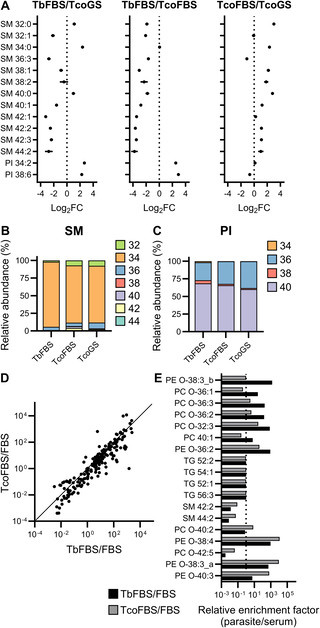
The study utilized a novel culture medium that allowed for the simultaneous growth of both trypanosome species, enabling a comparative analysis of their lipidomic profiles through untargeted LC-MS lipidomics. Results indicated that T. brucei and T. congolense have distinct lipid compositions, with T. brucei being enriched in shorter chain saturated lipids and ether phospholipids, while T. congolense showed a preference for longer-chain polyunsaturated fatty acids (PUFAs). This divergence in lipid metabolism suggests an evolutionary adaptation that may influence how these parasites interact with their hosts and respond to treatments.
The researchers emphasized that understanding these metabolic differences is vital for overcoming barriers in drug discovery, particularly as the development of new therapies has been hampered by a lack of knowledge regarding the biological characteristics of these pathogens. The study highlights the importance of a One Health approach, which recognizes the interconnectedness of human and animal health, in addressing the challenges posed by trypanosomiasis.
By defining the species-specific lipid dependencies, the research lays the groundwork for creating pan-species culture systems that could facilitate the identification and development of novel therapeutics effective against all African trypanosome species. This advancement is essential not only for improving health outcomes but also for addressing the substantial economic losses associated with these diseases, which are estimated to reach billions of dollars annually in sub-Saharan Africa. The findings underscore the need for continued research into the lipid biology of these neglected parasites to inform future therapeutic strategies and improve disease control efforts.