Mississippi Colleges Launch Food Pantries to Address Student Food Insecurity
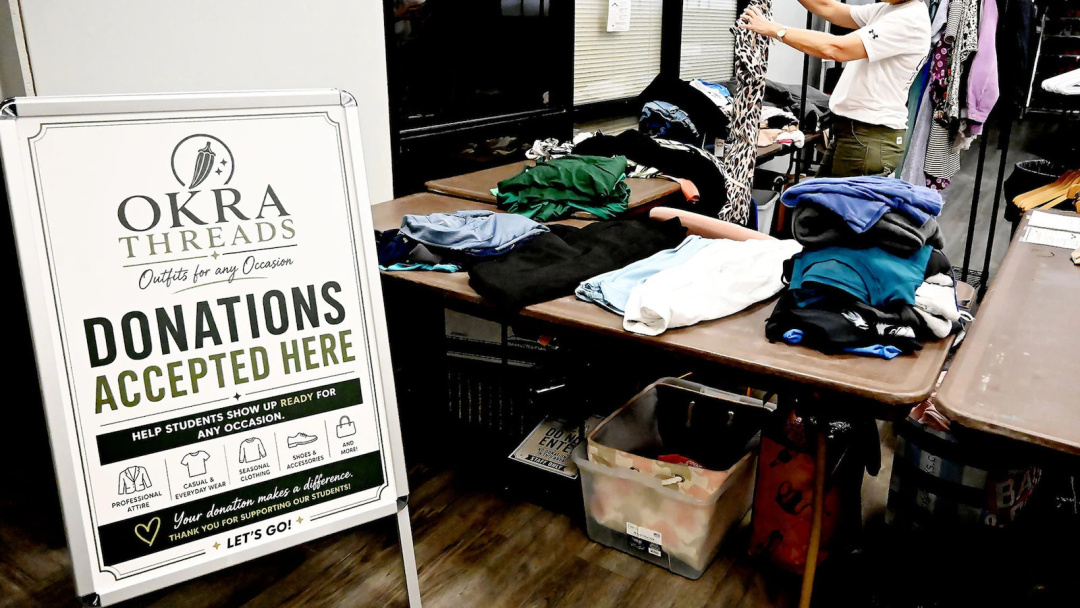
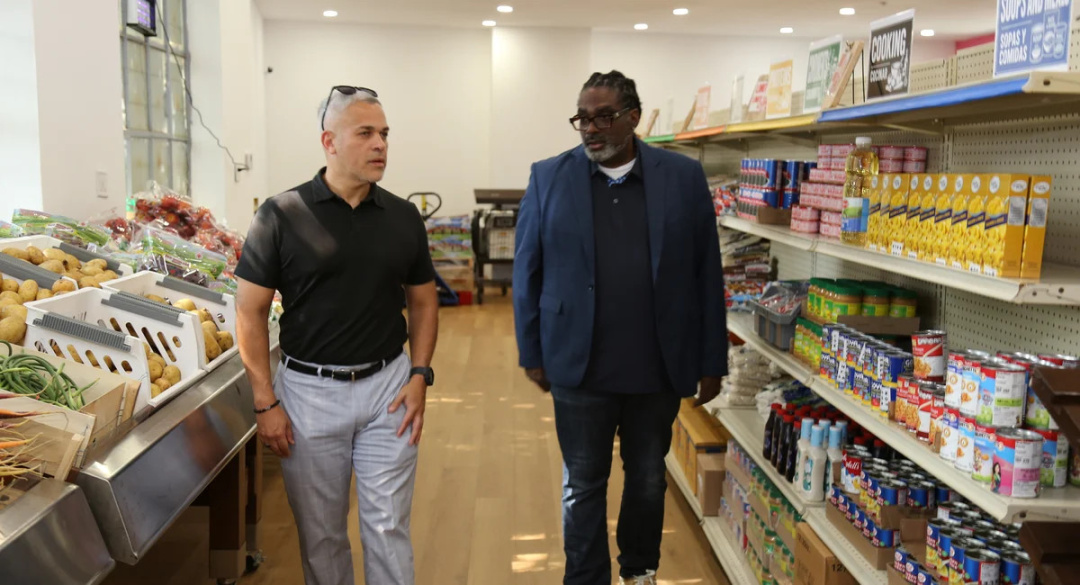
The University of Mississippi Medical Center (UMMC) has taken significant steps to combat food insecurity among its students by opening a food pantry on September 1. This initiative was prompted by concerns from UMMC administrators who learned that many students were struggling to afford food and other essential items. To support this effort, a food drive was conducted in August to gather supplies for the pantry, which now offers groceries and personal care products like shampoo, laundry detergent pods, and toothpaste. Jonathan Nutt, the director of student services at UMMC, emphasized the importance of this resource, stating, "Every student’s financial situation is different. The hope is to serve any student who needs it."
The challenges faced by students are not unique to UMMC; they reflect a national trend where college students are increasingly unable to meet basic needs. A 2023 survey conducted by the Hope Center for Basic Needs revealed that 59% of college students lack access to at least one essential resource, such as housing or transportation, with 41% reporting experiences of food insecurity. These issues disproportionately affect students from low-income backgrounds, who often have limited family support and face demanding academic schedules that restrict their ability to work enough hours to cover living expenses.
At the University of Southern Mississippi, the Eagle’s Nest Food Pantry has also seen a significant increase in demand. During the first week of classes in August, staff and volunteers distributed over 890 pounds of food and hygiene products to 94 individuals. Last academic year, the pantry recorded 2,785 visits, with 81% of those coming from students. Sirena Cantrell, the dean of students and associate vice president of student affairs, noted, "We’re beginning to see more students than ever. Students are telling their friends that this is a campus resource. Faculty and staff are also sharing it with students they see are in need."
Mississippi State University has its own resource, Bully’s Pantry, where students learn to manage their budgets while balancing academic and personal responsibilities. Hali Hollman, a volunteer at the pantry, shared her experience, saying, "We are juggling all kinds of expenses and also having to balance our classwork, extracurriculars, work and thinking about our future."
The financial burden on students is exacerbated by rising tuition costs. For instance, in-state tuition at the University of Mississippi increased by 3.8% for the 2024-25 academic year, while out-of-state tuition rose by 6%. Similarly, the University of Southern Mississippi saw a 4% rise in in-state tuition and a 3.3% increase for out-of-state students. In contrast, Jackson State University experienced a slight decrease in in-state tuition but a substantial 18.3% increase for out-of-state students.
Delta State University has also reported a doubling of visits to its food pantry, the Statesman’s Shelf, from 672 visits in 2023-24 to 1,672 in 2025-26. Although tuition at Delta State has remained stable, the costs of food and on-campus housing have risen by 3.6% between the 2023-24 and 2024-25 academic years.
Transportation issues further complicate access to food resources for students at Delta State. Brandi Lovin, a volunteer coordinator for the Statesman’s Shelf, recounted how the pantry remained open during a winter storm, serving 416 individuals, half of whom visited during the storm when access to off-campus grocery stores was severely limited.
These food pantry initiatives not only provide immediate relief but also play a crucial role in supporting students' academic success and future careers, particularly in healthcare. Jonathan Nutt remarked, "Food insecurity and basic needs access is an issue everywhere. We just want to ensure we are preparing our students for their careers and that they can eventually serve the health needs of Mississippians."