Emerging Evidence on Probiotics: Benefits Beyond Digestion
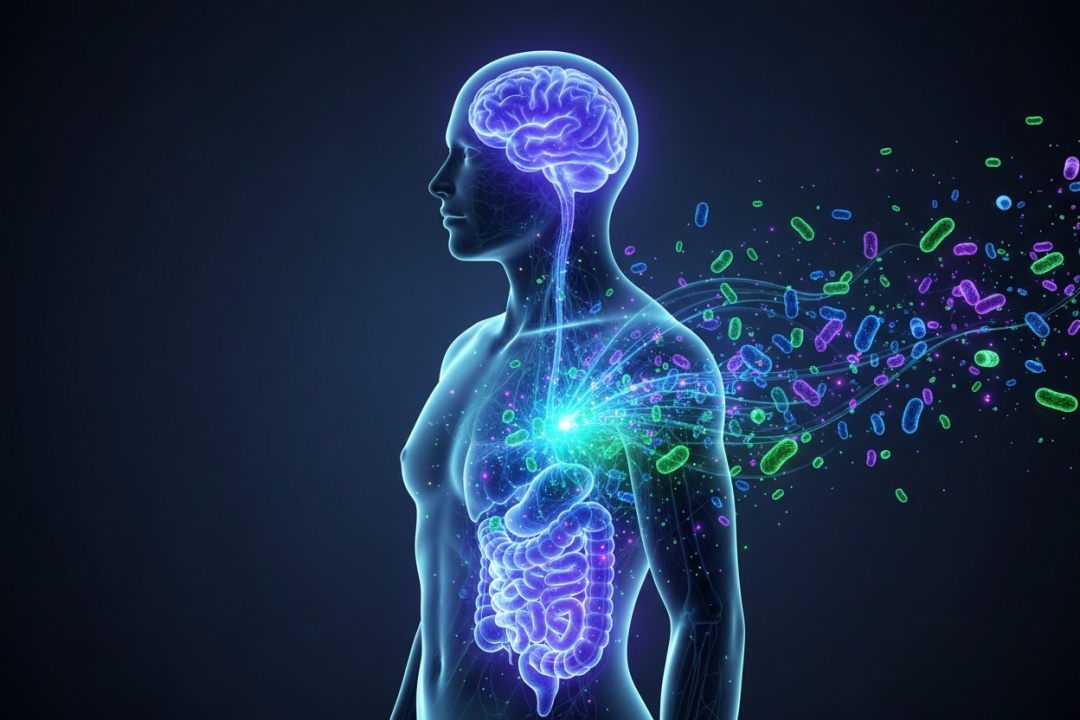
A report published by Verywell Health has brought attention to the potential benefits of probiotics, microorganisms often associated primarily with digestive health. The report suggests that probiotics may offer additional advantages, particularly in immune system support and mental well-being. However, it emphasizes that the evidence for these claims is still emerging and not yet conclusive. The report cites various peer-reviewed studies and interviews with researchers, noting that clinical trials conducted so far have been relatively small. Results can vary significantly depending on the specific strain of probiotic, the dosage, and individual health factors.
Researchers have indicated that more rigorous clinical trials are necessary before any general recommendations regarding probiotics can be made. Currently, regulatory agencies have not approved probiotic products for claims related to immunity, mental health, or skin conditions. The report mentions that certain probiotic strains may have the potential to modulate immune responses, possibly reducing the duration of respiratory infections. A review referenced in the report found that participants taking probiotics reported experiencing fewer colds, although the study sizes were small and the findings were not definitive.
The report also highlights that approximately 70% to 80% of immune function is believed to reside within the gastrointestinal tract, a statistic echoed in separate reporting. One researcher quoted in the report stated, "The immune system and gut microbiota interact, but we cannot yet say probiotics prevent illness." It was noted that short-chain fatty acids produced by gut bacteria could nourish immune cells lining the gut, potentially preventing damage and inflammation.
Furthermore, the report discusses the gut-brain axis, a communication system linking gut health to mental well-being. Preliminary studies suggest that some probiotics might alleviate symptoms of anxiety or depression. A systematic review conducted by researchers at York University in Canada found evidence indicating that probiotic supplementation could benefit anxiety and depression symptoms. However, one study author cautioned that these findings are still in the hypothesis-generating stage, with larger trials currently underway.
The report also explores the possibility that oral and topical probiotics may help reduce inflammation associated with skin conditions such as acne, eczema, and rosacea. Dermatology researchers have found mixed results in small trials involving specific strains like Lactobacillus and Bifidobacterium. A dermatologist quoted in the report noted that while some patients report improvements, placebo effects are notably strong in skin studies. The FDA has not approved probiotics for treating skin conditions, and the report advises consumers to consult healthcare providers before using them for dermatological purposes.
In addition, the report mentions that fermented foods containing live probiotics can support gut microbiome diversity, with current research linking their consumption to reduced inflammation. However, it stresses that these findings are preliminary and do not establish direct cause-and-effect relationships.
In conclusion, while the Verywell Health report suggests that probiotics may offer potential benefits beyond digestion, it cautions that the evidence remains limited and strain-specific. Healthy individuals may safely consume probiotic foods, but those who are immunocompromised should seek medical advice before using probiotics for any health purpose beyond general digestive support. The report underscores the need for further research to establish clinical guidelines and emphasizes that no regulatory approval exists for the benefits discussed, advising consumers to consult healthcare providers for personalized advice.