Comparing Bananas and Sweet Potatoes for Effective Blood Sugar Management
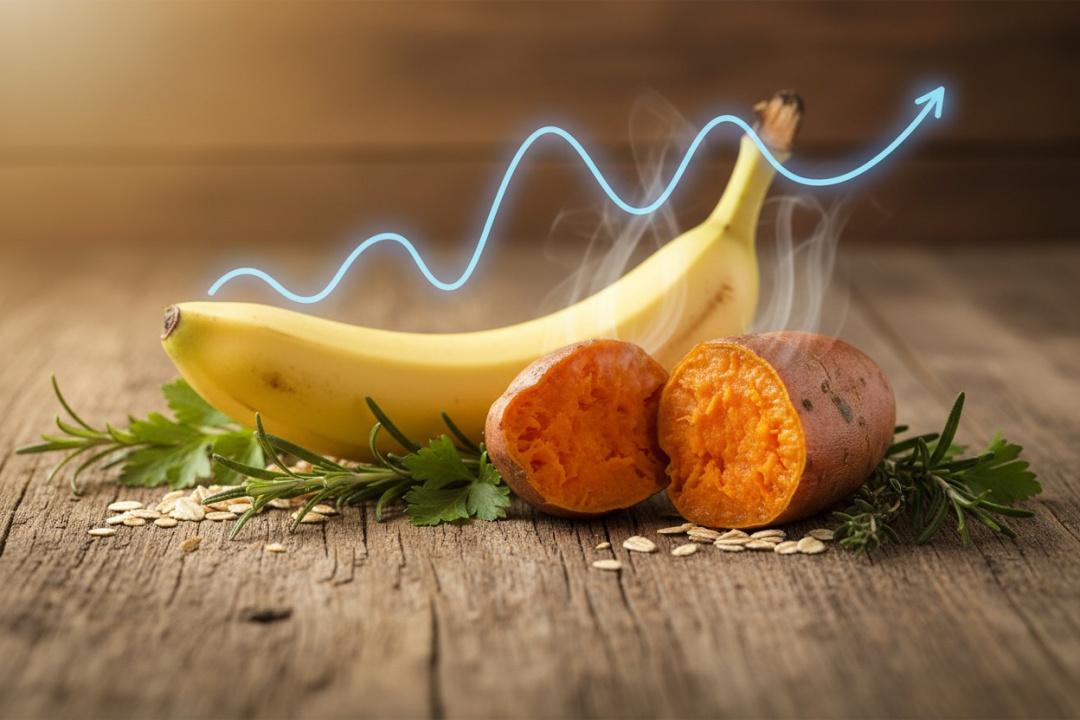
A recent analysis of nutrient databases reveals significant differences between bananas and sweet potatoes, particularly regarding their carbohydrate compositions and their implications for blood sugar management. Sweet potatoes are noted for having lower levels of simple sugars and higher levels of complex carbohydrates compared to bananas. This distinction is crucial because complex carbohydrates can slow digestion and help mitigate blood sugar spikes, making sweet potatoes a potentially better choice for individuals managing blood glucose levels. The report emphasizes that both foods can be beneficial for those with diabetes or those aiming for stable blood sugar, provided that overripe bananas are avoided, as they contain higher sugar levels.
The increasing prevalence of prediabetes and diabetes in the United States has drawn attention to this comparison. A 2016 report indicated that nearly half of American adults were classified as prediabetic, highlighting the importance of dietary choices in managing these conditions. According to data from the U.S. Department of Agriculture, a medium banana contains approximately 5.72 grams of fructose and 5.88 grams of glucose, whereas a medium sweet potato contains only about 0.57 grams of fructose and 0.65 grams of glucose. This difference suggests that the simple carbohydrates in bananas are digested quickly, potentially leading to rapid increases in blood sugar, while the complex carbohydrates found in sweet potatoes digest more slowly, promoting steadier blood sugar levels.
Further insights are provided by experts in the field. A registered dietitian noted that both bananas and sweet potatoes can fit into a balanced diet, but factors such as portion size and ripeness are critical in determining their impact on blood sugar management. Additionally, dietary fiber plays a significant role in blood sugar control, with sweet potatoes offering slightly more fiber and protein than bananas—3.8 grams of fiber and 2.3 grams of protein in a medium sweet potato compared to 3.1 grams of fiber and 1.3 grams of protein in a medium banana.
Moreover, sweet potatoes are rich in potassium, providing 542 milligrams per medium baked potato, compared to 422 milligrams in a medium banana. Potassium is essential for various bodily functions, including blood pressure regulation. The report also highlights that sweet potatoes contain double the vitamin C of bananas and are high in beta-carotene, which the body converts to vitamin A. However, bananas have a higher folate content, with 23.6 micrograms per medium banana versus 6.84 micrograms in a baked sweet potato.
Experts suggest that while the differences in nutritional content may seem modest, they can be significant for individuals with specific health goals. Foods rich in potassium, for example, are associated with lower blood pressure, which is particularly relevant given the high rates of cardiovascular disease in the U.S. Furthermore, the fiber and protein content in these foods contribute to feelings of fullness, which can aid in weight management. Both bananas and sweet potatoes are low in calories and fat, making them suitable options for those looking to maintain or lose weight.
In conclusion, while both bananas and sweet potatoes offer unique nutritional benefits, sweet potatoes may provide advantages for blood sugar management due to their carbohydrate composition. As dietary choices play a crucial role in managing blood sugar levels, understanding the differences between these two foods can help individuals make informed decisions about their diets. A balanced approach that includes a variety of nutrient-dense foods is essential for overall health and well-being.