Japan Reports Over 107,000 Centenarians: Insights into Longevity
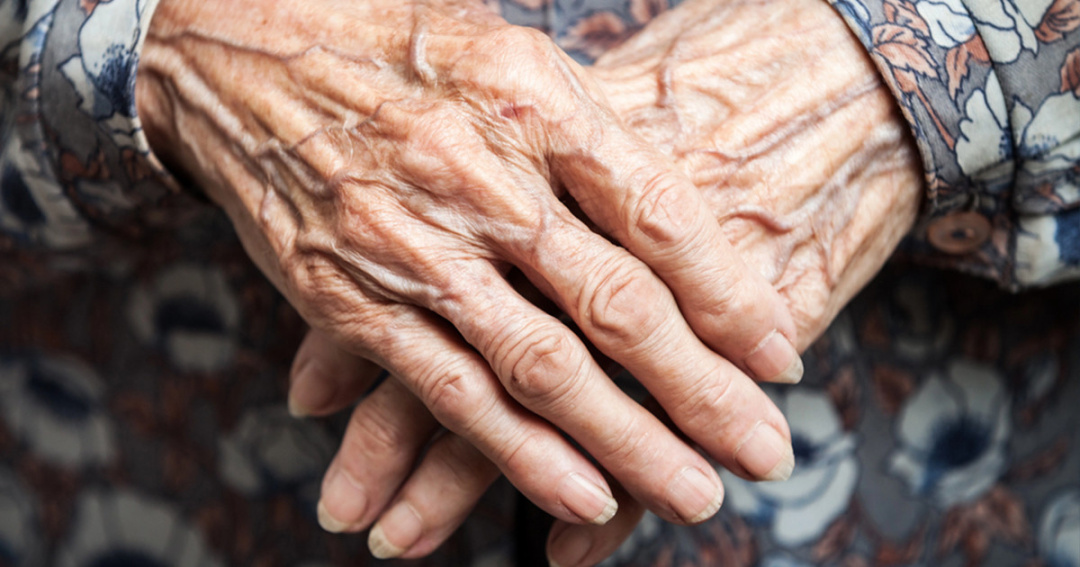
Japan's health ministry has reported that the nation now boasts 107,677 individuals aged 100 or older, marking a new record for the 56th consecutive year since 1971. This figure represents an increase of 7,914 centenarians from the previous year, underscoring a steady growth trend over the past half-century. In 1963, there were only 153 centenarians, which grew to around 10,000 by 1998 and 50,000 by 2012. Notably, women make up the majority of this population, accounting for 88% of centenarians. Among them, the oldest is 114-year-old Kishimoto Fuyo from Kyoto City, while the oldest man is Kato Hikaru, aged 112, from Kumamoto.
Several factors contribute to the longevity of Japan's centenarians. The traditional Japanese diet, rich in fish, vegetables, and rice, is notably lower in saturated fats compared to many Western diets. Additionally, older adults in Japan tend to maintain active lifestyles, engaging in regular activities such as walking, cycling, gardening, and stretching exercises. Beyond physical health, experts emphasize the importance of social connections and a sense of purpose, which are believed to play crucial roles in the well-being of these individuals.
Okinawa, a tropical prefecture in Japan, is recognized as one of the world's original Blue Zones, areas noted for their high concentrations of centenarians. The lifestyle habits of Okinawans, characterized by regular physical activity, a predominantly plant-based diet, and strong community ties, mirror those found in other Blue Zones around the globe, including Sardinia in Italy and Ikaria in Greece.
Despite the impressive number of centenarians, Japan is grappling with significant demographic challenges due to a declining birthrate. Many individuals are choosing to marry later or not at all, and concerns about the rising cost of living and future uncertainties, such as climate change, contribute to this trend. Currently, approximately 30% of Japan's population is aged 65 and over, a figure projected to rise to nearly 40% by 2070. Japanese authorities have termed this demographic shift an "existential crisis," with Prime Minister Sanae Takichi referring to the declining birthrate as a "quiet emergency."