Advancements in Gene Therapy Highlight Potential for Treating Genetic Disorders
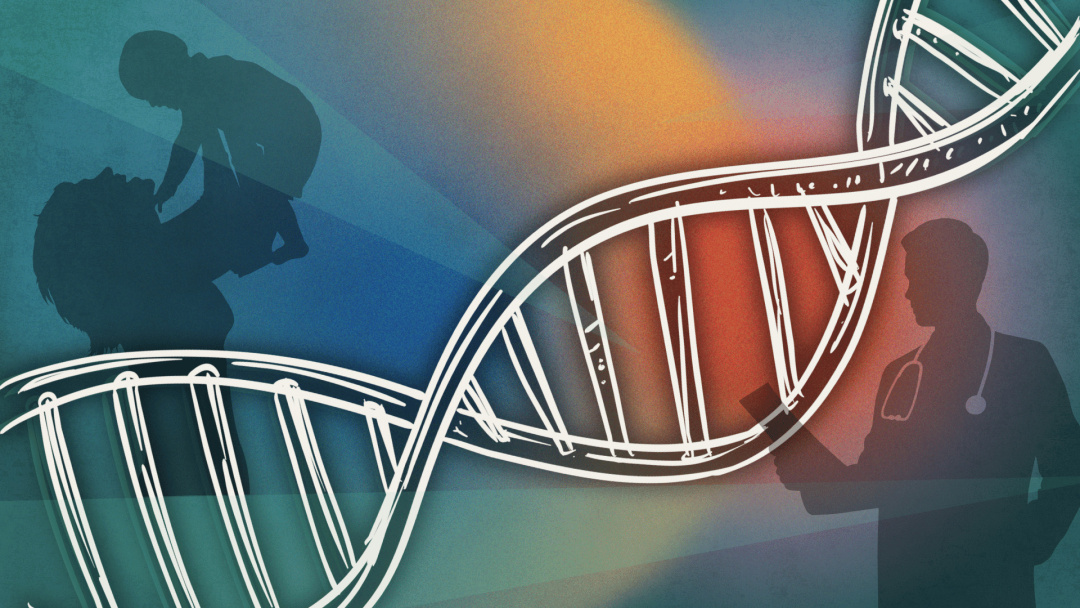
Baby KJ made headlines last year when he became the first person to receive a personalized CRISPR gene-editing treatment for his genetic disorder. This groundbreaking case, led by doctors at the University of Pennsylvania and the Children’s Hospital of Philadelphia, has raised public awareness about the potential of gene therapy. David Liu, a professor at Harvard, remarked that KJ’s story demonstrates the possibility of diagnosing and treating fatal genetic disorders with customized gene-editing agents. Despite the advancements in gene therapy over the past decade, significant economic, regulatory, and scientific challenges remain before these treatments can be widely applied to various conditions.
In a recent episode of the podcast "Harvard Thinking," Liu and Eliot Shearer, a pediatric otolaryngologist at Boston Children’s Hospital, discussed the hope gene therapy offers for treating diseases previously deemed too rare for research. Liu emphasized that gene editing can correct mutations in DNA, which is crucial for addressing over 200,000 known mutations that lead to more than 8,000 genetic diseases.
The case of Baby KJ is particularly remarkable. Born with CPS1 deficiency, a deadly genetic disorder, he was treated with a base editing technique that corrected one of the two mutations he inherited. This process was completed in less than seven months, showcasing the rapid advancements in gene therapy. KJ is now thriving and meeting developmental milestones that children without working copies of CPS1 typically cannot achieve.
Shearer highlighted that his work focuses on gene replacement therapy, which involves introducing functional copies of genes to treat conditions like pediatric hearing loss. The FDA recently approved a gene therapy for hearing loss, demonstrating the field’s progress. However, both experts acknowledged that the unique nature of genetic disorders presents challenges in developing universal treatments.
Liu pointed out that while scientific advancements are significant, economic and regulatory barriers often hinder the application of these therapies to patients in need. The Center for Therapeutic Genetics, a nonprofit collaboration between several institutions, aims to address these challenges by focusing on rare genetic diseases that the industry may overlook due to economic constraints. This initiative reflects a commitment to making gene therapy more accessible to patients facing life-threatening genetic conditions.
As gene therapy continues to evolve, the discussions surrounding its ethical implications and the necessity for responsible use remain crucial. The potential to alter our genetic futures is profound, but it must be approached with caution and consideration for the broader societal impacts.