Study Reveals Gluten-Free Barley Beers May Contain Undetected Celiac-Linked Proteins
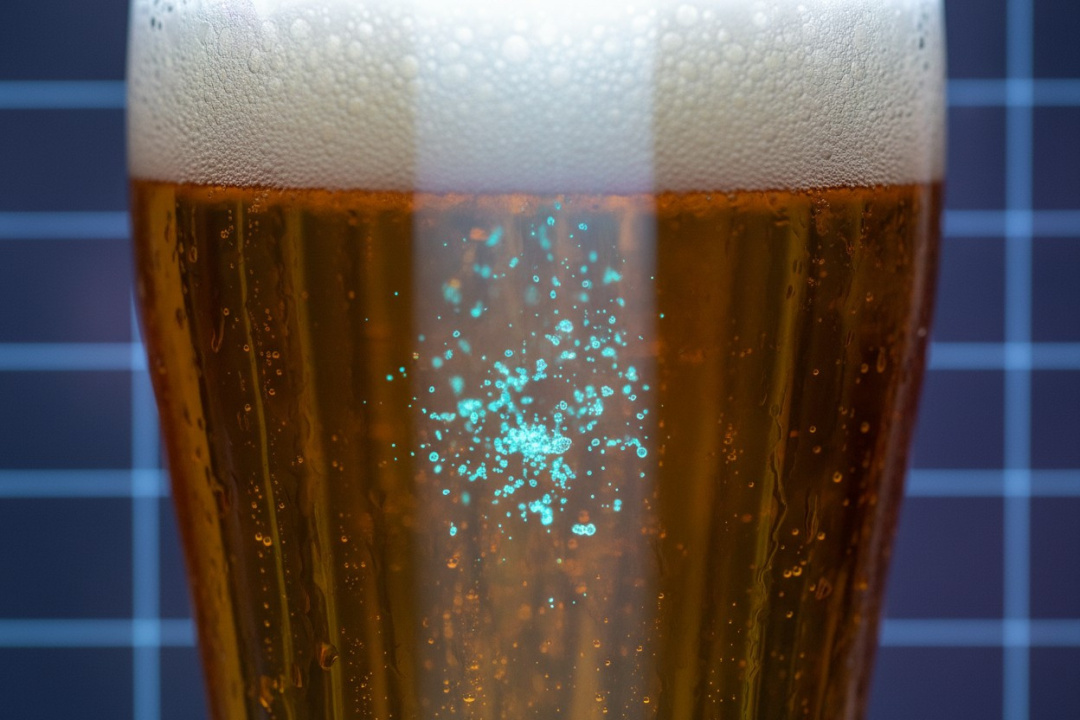
A study published in Applied Food Research has raised significant concerns about the safety of gluten-free labeled barley beers. Researchers from the Technical University of Munich and the Karlsruhe Institute of Technology conducted an analysis of 21 commercially available gluten-free barley beers, discovering that seven of these products contained celiac-linked protein fragments that passed standard industry safety tests. Specifically, the study identified 44 distinct celiac-linked protein fragments across all samples, with 17 of these fragments lacking the chemical markers detectable by the two standard ELISA tests used to certify gluten-free status.
The findings are particularly alarming as four of the gluten-free labeled beers exceeded the European Union's legal threshold of 20 milligrams of gluten per kilogram, as measured by the R5 ELISA test. The researchers emphasized that the gap in detection is not a minor technical oversight, indicating a potential risk for individuals with celiac disease, an immune disorder affecting approximately 1 in 100 people worldwide. For those with this condition, consuming gluten can trigger an immune response that damages the small intestine, leading to malnutrition and other serious complications.
Brewers have developed enzymatic processes to break down gluten in barley-based beers, allowing them to market these products as gluten-free. However, experts like Dr. Steve L. Taylor, cofounder and director of the Food Allergy Research and Resource Program, have expressed skepticism about the efficacy of these processes. Dr. Taylor stated that results from the R5 test alone do not provide sufficient assurance of safety, noting that gluten peptides may still be present in these beers. The recent study aimed to assess whether standard testing methods adequately capture all potentially harmful protein fragments.
Typically, brewers rely on enzyme-linked immunosorbent assay (ELISA) tests, particularly the R5 and G12 variants, to verify gluten content. These tests detect specific chemical markers on gluten proteins, but fermentation can break gluten proteins into smaller fragments that may not contain the markers these tests are designed to identify. To address this limitation, the researchers utilized nanoLC-MS/MS, a mass spectrometry technique that identifies individual protein fragments based on their mass and structure, allowing for the detection of celiac-linked sequences even in the absence of recognizable chemical markers.
In their analysis, the researchers found that 29 of the identified fragments were present in beers labeled gluten-free, which had previously passed standard safety testing. Notably, one pilsner-style beer contained the highest count of celiac-linked fragments, with 21 detected. A specific fragment appeared in every positive sample, indicating its resistance to the enzymatic breakdown processes used by brewers. While 14 of the 21 gluten-free labeled beers contained no detectable fragments, the presence of fragments in seven products suggests that current testing methods may fail to identify all potentially harmful beers.
The researchers acknowledged several limitations in their study. The analysis was qualitative, identifying which fragments were present but not measuring their precise concentrations, leaving the actual clinical risk to celiac patients undetermined. Additionally, the proprietary brewing methods of each manufacturer hindered the evaluation of which processes effectively remove harmful fragments. The study only tested single bottles per batch, preventing assessment of batch-to-batch variability. Furthermore, the protein databases used may not comprehensively cover all known gluten sequences, particularly those that are highly repetitive.
The researchers also noted that further investigation is needed to understand how these protein fragments behave during human digestion and whether they can trigger an immune response after consumption. They called for follow-up studies to measure concentrations and clinical effects of these fragments in gluten-free barley beers.
The findings underscore the need for consumers to be cautious regarding gluten-free labels on barley beers, as the current standard safety tests may not provide the level of certainty that individuals with celiac disease expect. For those with celiac disease, adhering to a strict gluten-free diet remains essential to avoid health complications. Alternatives brewed from inherently gluten-free grains, such as sorghum, are available for those seeking safe beer options. The researchers concluded that while the detection gap is significant, the actual health risk remains an open question, urging individuals with celiac disease or gluten sensitivity to consult healthcare professionals before consuming gluten-free labeled products.