Gradual Increases in Fiber Intake May Help Reduce Bloating, Experts Say

Public health researchers continue to address a significant fiber gap in the American diet, where many individuals consume only about 16 grams of fiber daily, which is below the recommended 25 grams for women and 38 grams for men, as noted by the National Institutes of Health (NIH). This deficiency contributes to various health issues, including constipation and metabolic diseases. A 2014 Food & Fiber Summit in Washington, D.C., revealed that only about 5% of Americans meet the Institute of Medicine's daily recommendations for fiber intake, highlighting widespread confusion regarding fiber-rich foods and the necessary amounts.
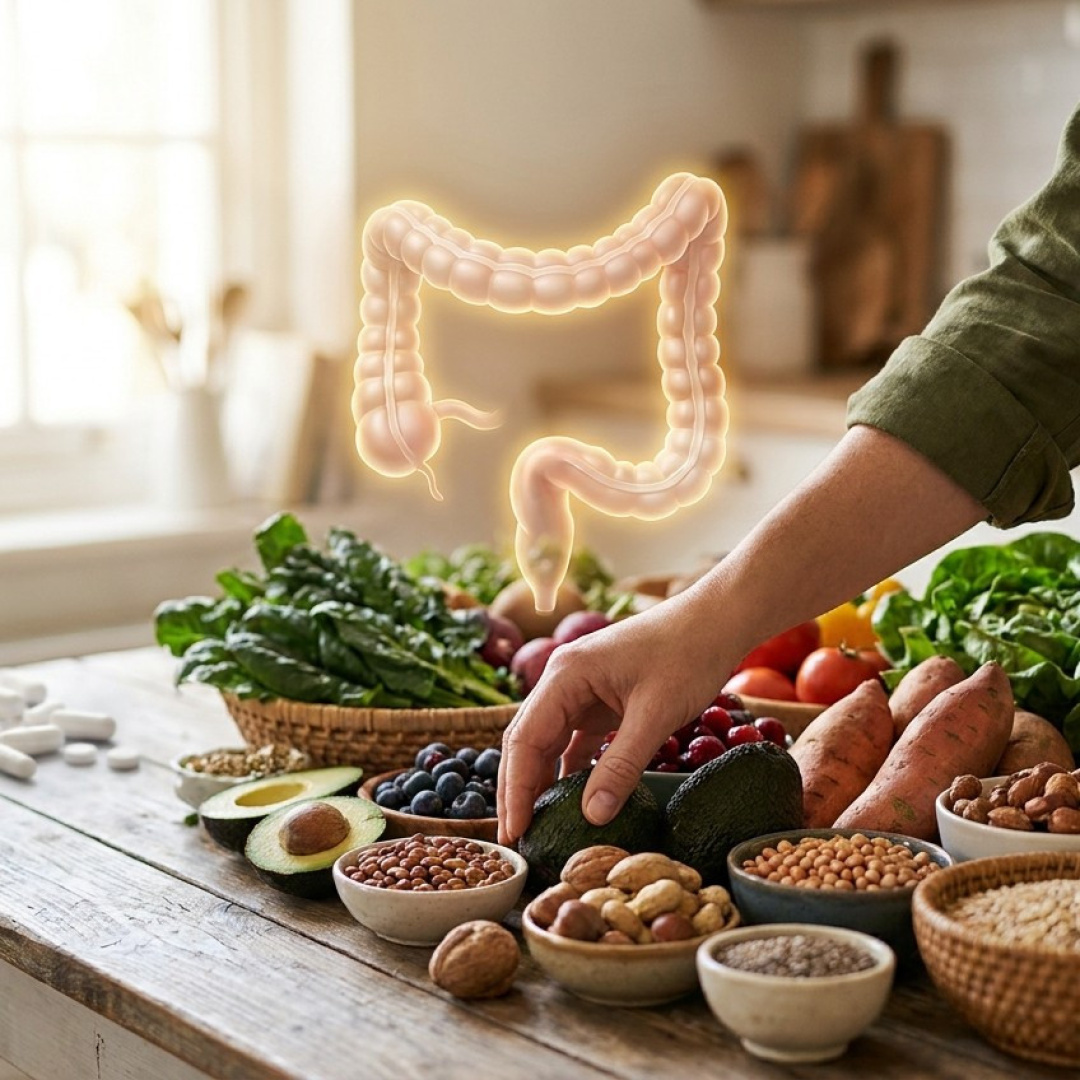
Fiber is predominantly found in fruits, vegetables, whole grains, and legumes. Experts recommend that individuals increase their fiber intake gradually, coupled with adequate water consumption, to minimize digestive discomfort. Dietary fiber is the indigestible component of plant material and is essential for health, as it can only be obtained through plant consumption. There are two primary types of dietary fiber: soluble and insoluble. Soluble fiber, which forms a gel-like substance in the digestive tract, can slow digestion, while insoluble fiber adds bulk to stool and accelerates the digestive process. Sources of soluble fiber include barley, beans, fruits, lentils, nuts, seeds, oat bran, peas, and various vegetables, whereas insoluble fiber is found in wheat bran, whole grains, and many vegetables. Both types are crucial for maintaining digestive health.
Research indicates that higher fiber consumption is associated with numerous health benefits, including lower cholesterol levels and reduced risk of chronic diseases such as diabetes, stroke, high blood pressure, colon cancer, and heart disease. A comprehensive review of multiple studies found a correlation between increased fiber intake and a decreased risk of several types of cancer. The NIH emphasizes that a diet rich in fiber may also promote satiety, assist in weight management, and help regulate blood sugar levels.
Bloating, a common issue affecting about 20% of the U.S. population, occurs when gas accumulates in the stomach and intestines. While fiber is beneficial, it can also lead to bloating, particularly when intake is increased too quickly. Experts caution against a trend known as "fibermaxxing," where individuals consume excessive amounts of fiber, which can lead to adverse effects such as bloating, constipation, and nutrient deficiencies.
To prevent discomfort, nutritionists recommend gradually increasing fiber intake over several weeks, allowing the gut microbiome to adapt without excessive gas production. Staying well-hydrated is also crucial, as dehydration can exacerbate digestive issues. A diet that emphasizes carbohydrates over protein may help alleviate bloating while enhancing fiber intake.
Incorporating a variety of fiber sources can help individuals identify foods that are better tolerated by their digestive systems. Additionally, certain fruits and vegetables, particularly their peels, are rich in fiber and can contribute significantly to daily intake. Registered dietitians have identified several fruits, including berries, kiwi, papaya, avocado, apples, and pears, that can provide substantial digestive health benefits.
In conclusion, addressing the fiber gap does not necessitate drastic dietary changes or expensive supplements; rather, it can be achieved by focusing on the foods people already consume. By understanding fiber sources and incorporating them gradually into the diet, individuals can improve their digestive health and overall well-being.