ADHD Associated with Increased Odds of Gastrointestinal Symptoms: A Review

A new review and meta-analysis conducted by researchers from the Warwick Medical School at the University of Warwick has confirmed a significant association between attention deficit hyperactivity disorder (ADHD) and a wide range of gastrointestinal symptoms. The review, which analyzed data from 23 studies encompassing more than 1.9 million participants, revealed that individuals diagnosed with ADHD had a statistically significant 48% higher likelihood of experiencing gastrointestinal symptoms compared to those without the disorder. The findings were published in the Journal of Attention Disorders.
Co-lead author Sarah Blake, a medical student at Warwick Medical School, noted that the researchers were motivated by previous studies suggesting a connection between ADHD and gastrointestinal problems, as well as personal experiences. The systematic review included studies from 11 countries, covering participants of all ages, from 2 to 65 years old. The authors aimed to consolidate evidence regarding specific gut symptoms and conditions prevalent among individuals with ADHD, hoping this would aid clinicians in recognizing coexisting issues and guide future research.
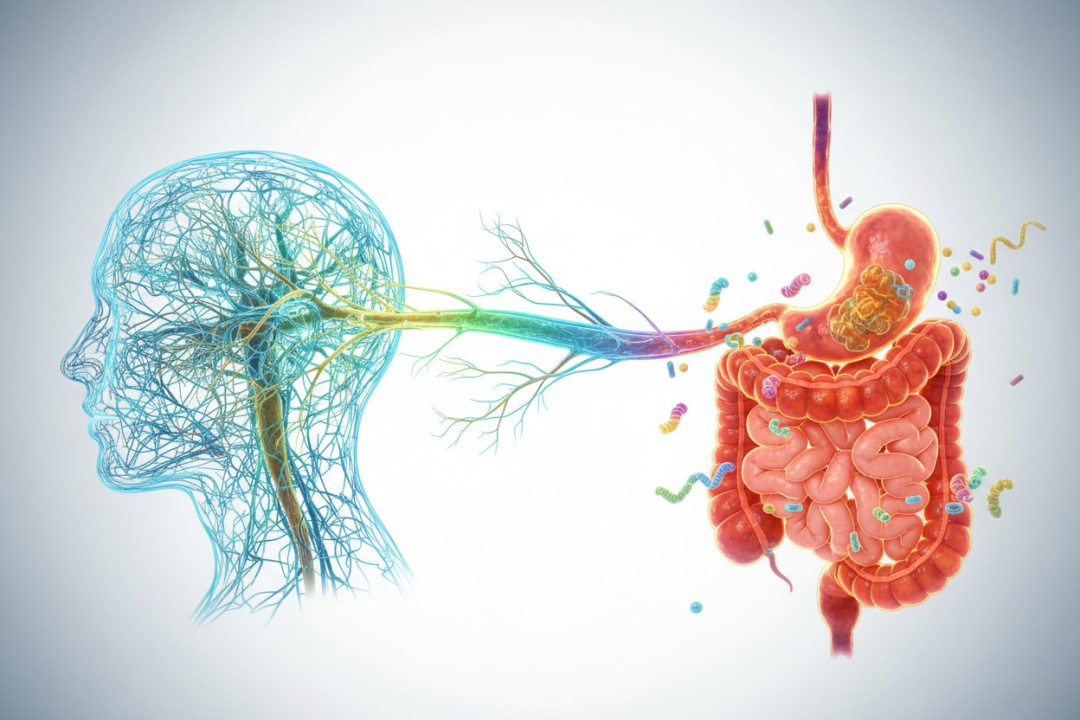
The review found that individuals with ADHD were more likely to experience every gastrointestinal symptom investigated, including irritable bowel syndrome (IBS), indigestion, and abdominal pain. Despite the strong association, the underlying reasons for this connection remain unclear. Blake hypothesized that the gut-brain axis might play a crucial role, as previous research has indicated communication between the gut and brain and alterations in gut microbiome composition.
Consultant psychiatrist Sylvia Baker, who was not involved in the review, emphasized that the relationship between ADHD and gastrointestinal symptoms is likely complex, influenced by various factors such as emotional regulation, impulsivity, and dietary habits. She pointed out that individuals with ADHD may exhibit irregular eating patterns, which could impact digestive health. Stress and emotional dysregulation may also contribute to gastrointestinal issues, as the gut and brain communicate bidirectionally.
Blake expressed that the review's findings have prompted parents of children with ADHD to seek support for gastrointestinal issues, highlighting the importance of recognizing these symptoms. She urged clinicians to inquire about persistent digestive symptoms in patients with ADHD, as these issues deserve attention and should not be solely attributed to ADHD or its treatment.
Baker suggested that individuals with ADHD should acknowledge the connection between their symptoms and gastrointestinal health, advocating for discussions with healthcare providers if they experience persistent digestive problems. She recommended establishing consistent eating routines, adequate hydration, and dietary fiber intake as foundational practices for maintaining good bowel health. However, she acknowledged that individuals with ADHD may find it challenging to implement these changes consistently.
Looking ahead, Baker called for further research to explore the mechanisms linking ADHD and gastrointestinal symptoms, emphasizing the need for longitudinal studies that examine the relationship over time. Understanding these connections could lead to more personalized approaches to managing both ADHD and gastrointestinal health, ultimately improving quality of life for affected individuals.