Kratom's Health Risks Highlighted After Deaths of Two University Students
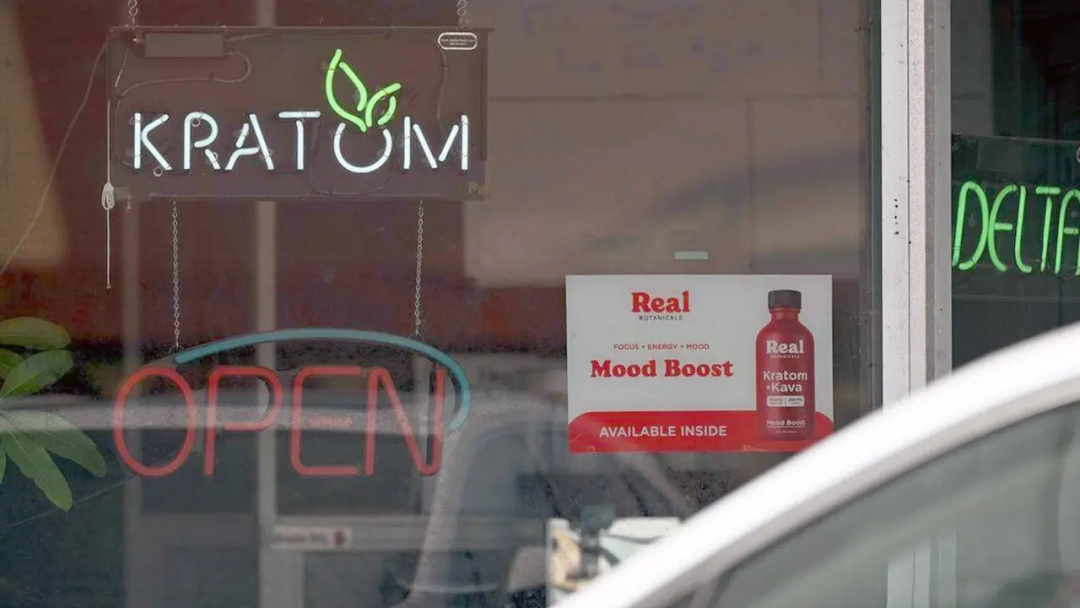
The deaths of two University of Mississippi students have sparked urgent discussions about the potential health risks of kratom, a plant-based substance that has gained popularity for its purported benefits in pain relief and opioid withdrawal. The students died at separate locations on campus, and during the investigations, authorities recovered packaged kratom purchased from a retail store. While it remains unconfirmed whether kratom was a direct factor in their deaths, the incident has raised alarms among health experts regarding its safety and effects.
Kratom is often marketed as a natural alternative for pain management, but experts caution that it can lead to dependence and serious health complications. Jessica Steinman, chief clinical officer for No Matter What Recovery in Los Angeles, highlighted that kratom affects the brain's opioid receptors, which can result in sedation and respiratory issues at higher doses. "Kratom acts as a stimulant at low doses, which could provoke heart arrhythmia," stated Dr. Marc Siegel, a senior medical analyst. "At high doses, it acts more like an opioid, and so can suppress breathing."
The availability of kratom has increased, with products being sold in various locations including gas stations and health food stores. Steinman noted that young people, particularly college students, may be drawn to kratom for its stimulant effects, seeking to stay awake and energized for studying or social activities. However, the risks associated with its use are significant, especially when combined with other substances like alcohol or benzodiazepines, which can lead to dangerous outcomes.
Traditional kratom products typically contain lower levels of active compounds, while newer formulations, particularly those enhanced with 7-hydroxymitragynine (7-OH), are more concentrated and can produce stronger effects. Steinman emphasized that the increasing use of these potent products among young adults is concerning, as they may not be aware of the potential for addiction and the serious health risks involved.
Despite the natural origins of kratom, Steinman cautioned against the misconception that natural substances are inherently safe. "Just because something's from the earth doesn't make it healthy — people can get addicted and compulsive with lots of things," she stated. The lack of regulation surrounding kratom products further complicates the issue, as consumers may not be fully informed about what they are purchasing.
Dallas Vasquez, CEO of Mitra9 Brands, a company that produces kratom-based products, acknowledged the concerns surrounding enhanced 7-OH products. He indicated that the FDA has identified these products as a particular concern and emphasized the need for stricter regulations regarding testing, labeling, and potency limits. Vasquez's company focuses on botanical kratom extract derived from natural leaves, avoiding the use of isolated or synthetic compounds.
As discussions about kratom's safety continue, it is clear that more awareness and regulation are necessary to protect consumers, especially vulnerable populations like college students. The recent deaths serve as a stark reminder of the potential dangers associated with this substance, highlighting the importance of informed decision-making and caution in its use.