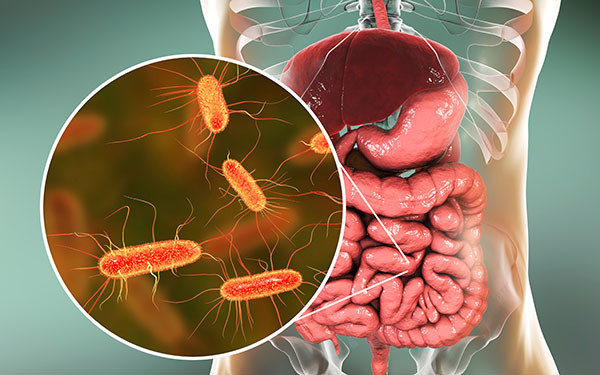
New Study Explores Butyrate's Role in Immune Cell Development from Dietary Fiber
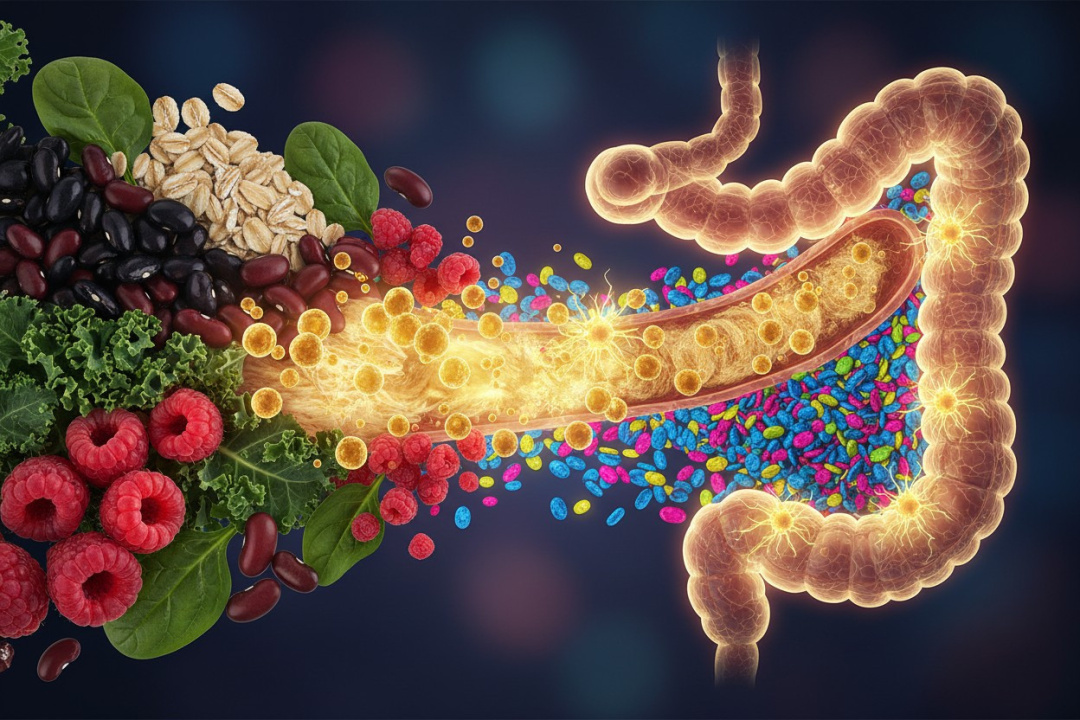
A new study has revealed that butyrate, a compound generated by gut bacteria when they ferment dietary fiber, may significantly influence the development of immune cells. This research, referenced in a report by mindbodygreen, emphasizes the role of the gut microbiome in immune health, although it also notes that more human studies are needed to fully understand these effects.
The investigation focused on dendritic cells, which serve as sentinels of the immune system, sampling conditions in the body to determine whether the immune response should be activated, remain calm, or develop tolerance. In laboratory experiments involving cells and mice, researchers found that butyrate affected the regulation of genes within dendritic cells, a process known as epigenetic regulation. This suggests that compounds produced by gut microbes can have a profound impact on how immune cells develop and respond to various stimuli.
Despite these promising findings, the study cautions that there is no immediate evidence that increasing fiber intake will lead to an enhanced immune response in humans. The research aligns with a growing body of evidence that highlights the gut microbiome's critical role in regulating immune health. Butyrate has previously been associated with benefits such as improved gut lining health, reduced inflammation, and enhanced communication between the gut and immune system, as well as potential positive effects on metabolic and brain health.
Dr. Steven R. Gundry, author of "Gut Check: Unleash the Power of Your Microbiome to Reverse Disease," notes that butyrate is the primary fuel source for colon cells, and the body naturally produces it when gut bacteria ferment fiber. Therefore, direct consumption of butyrate is not necessary for health benefits.
The study's findings contribute to the understanding of how dietary fiber influences gut health and immune function. Prior research has linked higher fiber intake to various health benefits, including reduced risks of certain cancers. Foods rich in fiber, such as beans, lentils, oats, and fruits, are essential for supporting gut bacteria and promoting butyrate production.
For individuals looking to improve their gut health, the report suggests focusing on a varied, fiber-rich diet rather than relying on single foods or supplements. Gradually increasing fiber intake while maintaining hydration can help the gut and its microbial community adjust. Fermented foods like yogurt and kimchi may also complement a fiber-rich diet, potentially enhancing gut and immune function.
In conclusion, while the study underscores the importance of dietary fiber and butyrate in immune cell development, it also highlights the need for further research to establish clear cause-and-effect relationships in humans. The ongoing exploration of the gut microbiome's influence on health continues to reveal its significance in various physiological processes.