Understanding the Risk of Vision Loss with GLP-1 Medications
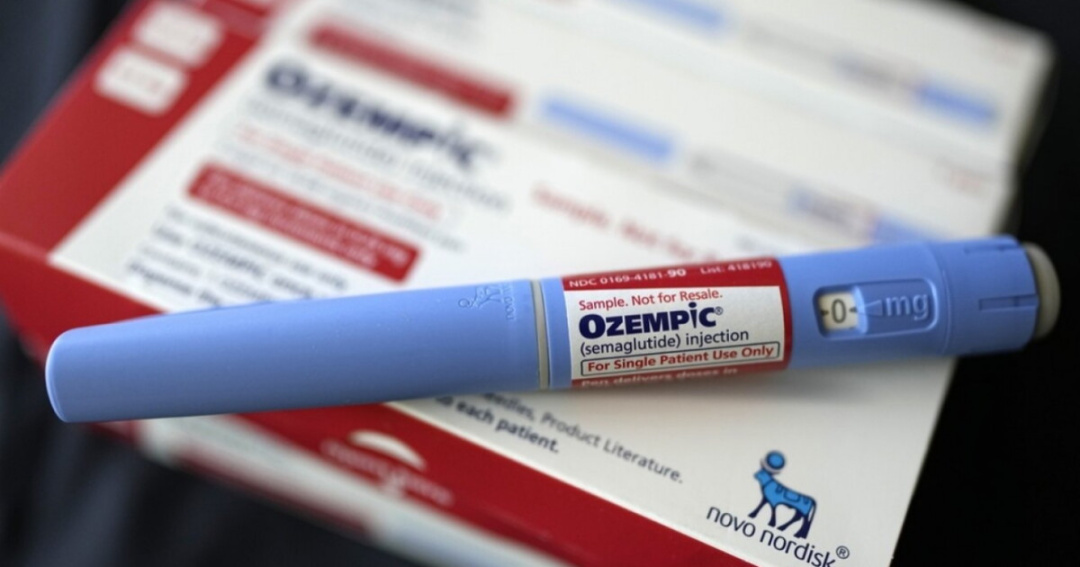
Dozens of Americans have filed personal injury lawsuits against the manufacturers of popular GLP-1 medications, including Ozempic, Wegovy, and Mounjaro. These lawsuits claim that patients were not adequately warned about the risk of a rare type of sudden vision loss known as nonarteritic anterior ischemic optic neuropathy (NAION) associated with these drugs. Researchers have been investigating a possible connection between GLP-1 medications and this eye condition, particularly after a potential safety signal was reported from a single health center in Boston in 2024. However, to date, no comprehensive study has conclusively proven that these medications are the cause of NAION.
Novo Nordisk, the producer of Ozempic and Wegovy, has stated that they take all reports of adverse events seriously and are vigorously defending against the claims made in the lawsuits, asserting that they believe these claims are without merit. The company emphasizes its commitment to patient safety and continuous monitoring of the safety profiles of its GLP-1 products. Similarly, a spokesperson for Lilly, the manufacturer of Zepbound and Mounjaro, reiterated that patient safety is their top priority and that they actively monitor safety information for all their medications.
Dr. John Chen, a professor of ophthalmology and neurology at the Mayo Clinic, explains that NAION is the most common acute optic neuropathy in individuals over the age of 50, characterized by a sudden, painless loss of vision due to reduced blood flow to the optic nerve. Unfortunately, this vision loss is typically permanent, and there is currently no specific treatment available for the condition.
While vision problems are recognized as possible side effects of GLP-1 medications, the Food and Drug Administration (FDA) does not mandate that drug manufacturers specifically list NAION as a risk. The FDA's Sentinel Initiative is currently conducting a review aimed at scientifically evaluating the potential safety signal related to GLP-1 drugs and NAION. An FDA spokesperson indicated that the agency routinely monitors the safety of drug products after they are marketed, identifying safety signals from various sources and evaluating available data to take regulatory actions when necessary.
In contrast, regulatory bodies in other countries, such as the European Medicines Agency and Australia's Therapeutic Goods Administration, have mandated that manufacturers include warnings about the possible increased risk of developing NAION when using certain GLP-1 medications.
Although safety signals do not always translate into actual risks for all medications, and not every potential side effect is directly attributable to the medication itself, several studies have suggested a possible link between NAION and GLP-1 use. However, it is crucial to note that causation has not yet been established, and the risk appears to be rare.
In 2024, researchers from a Boston health system published findings indicating that individuals with type 2 diabetes who were prescribed semaglutide, a GLP-1 receptor agonist found in Ozempic and Wegovy, might be at an increased risk of experiencing this type of vision loss. Subsequent research has yielded mixed results regarding the existence of a link, with no definitive studies proving that these medications cause NAION.
Experts like Dr. Chen emphasize the significant benefits of GLP-1 medications for managing severe obesity, diabetes, and cardiovascular disease, which have been substantiated through numerous randomized clinical trials. He reassures that there have been no indications of widespread vision loss among trial participants. The European Medicines Agency estimates that this eye condition could potentially affect 1 in every 10,000 GLP-1 users with diabetes, based on their analysis of available data.
In a joint statement, the North American Neuro-Ophthalmology Society and the American Academy of Ophthalmology acknowledged that while some reports suggest a slight increase in the risk of NAION among patients using GLP-1 receptor agonists like semaglutide, other studies have found no correlation, and the overall risk remains low.
Both Dr. Maturi and Dr. Chen stress that the data is not yet conclusive, and further research is necessary to determine whether GLP-1 drugs play a role in the development of NAION. They recommend that patients discuss any potential side effects of their medications with their healthcare providers, highlighting that untreated diabetes and obesity pose proven health risks, including eye problems.
For individuals currently taking semaglutide without experiencing any symptoms, Dr. Maturi advises that they should continue their medication as prescribed and consult their primary care physician with any questions or concerns. Dr. Chen adds that while he does not believe this potential risk should deter most patients from using GLP-1 medications recommended by their doctors, those who have previously experienced NAION in one eye should carefully consider the risks in consultation with their healthcare provider.
In summary, while the connection between GLP-1 medications and NAION is under investigation, it is essential for patients to remain informed and maintain open communication with their healthcare providers regarding any concerns about their treatment.