AI Chatbots in Caregiving: Understanding Usage and Implications for Family Caregivers
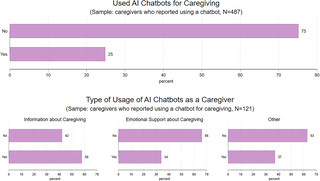
The increasing population of family caregivers in the United States faces significant challenges, particularly as the demand for support grows amid a limited workforce. A recent study investigated the prevalence and predictors of artificial intelligence (AI) chatbot use among these caregivers, revealing insights into how technology can assist in caregiving roles. The study utilized data from the Understanding America Study-Caregiving Lifecourse Experiences Assessed in Real-time (UAS-CLEAR), focusing on a sample of 1,300 caregivers surveyed between August and October 2025. Among the respondents, 487 reported using AI chatbots, with 25% utilizing them specifically for caregiving purposes.
The findings indicate that caregivers who are more likely to use AI chatbots tend to score higher in openness, possess lower internet literacy, and have lower cognitive abilities. They also reported higher involvement in caregiving tasks and expressed uncertainty in their caregiving roles. Notably, 58% of chatbot users sought information about caregiving, while 34% used the technology for emotional support. Caregivers found the chatbot assistance beneficial but also acknowledged certain limitations, such as concerns over the accuracy of information and the emotional depth of interactions.
The study highlights the potential of AI chatbots to alleviate some of the burdens faced by caregivers by providing readily available information and support. However, it also raises critical questions about the reliability of AI-generated advice and the emotional nuances that may be lost in chatbot interactions. As the use of AI technology expands, further research is needed to explore the perceptions of non-users, the impacts of individual traits on chatbot use, and the long-term effects on caregiver well-being.
In conclusion, while AI chatbots present a promising avenue for supporting caregivers, the complexities of their implementation and the potential risks associated with their use necessitate ongoing examination and discussion. This study serves as a foundational step in understanding the intersection of technology and caregiving, emphasizing the need for tailored solutions that address the diverse needs of family caregivers.