Eight Everyday Habits to Leave Behind for Better Heart Health

Hyderabad: As a cardiologist, I often remind my patients that heart disease does not manifest suddenly; rather, it develops gradually, often without clear warning signs. Factors such as high blood pressure, diabetes, high cholesterol, smoking, excess weight, and poor lifestyle choices can silently compromise heart health over the years. With World Heart Day on the horizon, it is essential to not only focus on treating heart disease but also on the habits that we may need to abandon for the sake of our cardiovascular well-being.
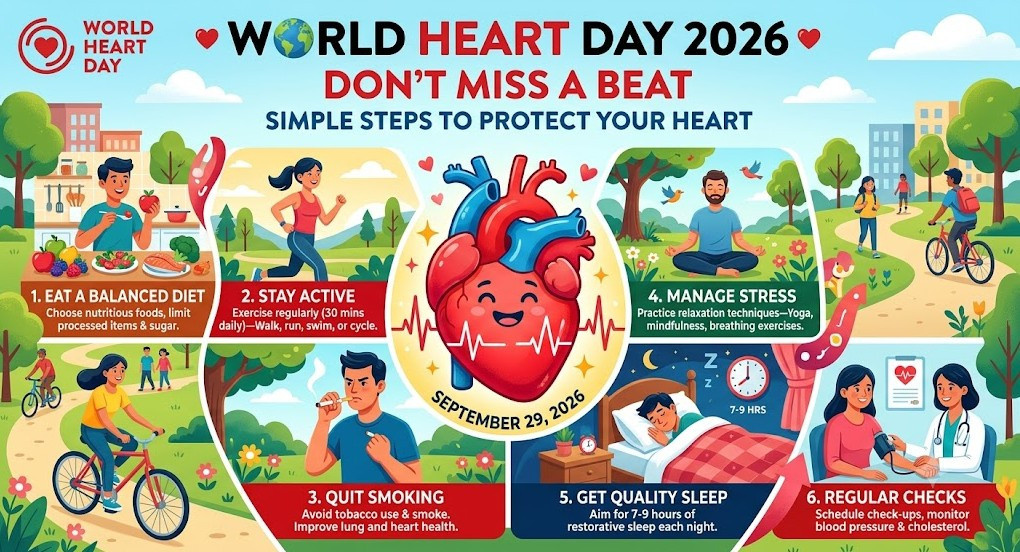
One of the most crucial habits to break is smoking. Tobacco use significantly damages blood vessels and elevates cardiovascular risk. Many patients mistakenly believe that simply reducing cigarette consumption is sufficient. While cutting back is a positive step, the ultimate goal should be complete cessation.
High blood pressure is another major risk factor prevalent in cardiac practice, often exacerbated by excessive sodium intake. It is not just the salt we add while cooking that poses a risk; packaged foods, snacks, sauces, and restaurant meals frequently contain high levels of sodium. Even small reductions in daily sodium intake can lead to significant health improvements over time.
The phrase 'sugar is the new cholesterol' has gained traction as it highlights the metabolic dangers associated with excessive sugar consumption. Although sugar and cholesterol affect the body differently, high intake of added sugars can lead to weight gain, insulin resistance, diabetes, and unhealthy triglyceride levels—all of which increase cardiovascular risk. Common sources of added sugars include sugary drinks, sweets, and highly processed foods. While enjoying an occasional treat is acceptable, making added sugar a staple in one’s diet is a relationship that could be detrimental to heart health.
For many working professionals, the routine may involve morning exercise followed by prolonged periods of sitting. While exercise is vital, it is equally important to incorporate regular movement throughout the day. Taking short walking breaks, opting for stairs, and avoiding prolonged sitting can contribute positively to heart health.
Sleep is often undervalued in discussions about heart health. Consistently poor-quality or insufficient sleep is linked to various cardiovascular risk factors. It is essential to stop viewing sleep as something that can be sacrificed for work, entertainment, or screen time.
Chronic stress, while unavoidable, can have indirect effects on heart health by influencing blood pressure, sleep quality, eating habits, and lifestyle choices such as smoking and alcohol consumption. Managing stress effectively does not entail eliminating all stressors but rather finding healthier coping mechanisms.
Alcohol consumption should not be initiated or continued under the assumption that it benefits heart health. Excessive intake can lead to elevated blood pressure and irregular heart rhythms, among other health issues. Individuals with pre-existing medical conditions should consult their healthcare providers regarding their specific risks associated with alcohol.
It is crucial to recognize that conditions like high blood pressure, high cholesterol, and diabetes can remain asymptomatic for years. I have encountered patients who felt perfectly healthy until they experienced a significant cardiac event. Therefore, it is vital to monitor blood pressure, blood sugar, and cholesterol levels and to discuss cardiovascular risk with a healthcare professional, especially for those with a family history or other risk factors.
As we approach World Heart Day, it is important to remember that change does not have to happen all at once. Starting with one habit at a time can make a difference. Ask yourself: What habit am I ready to leave behind for the health of my heart? Preventing heart disease often begins long before any symptoms arise, rooted in the daily choices we make.