State Fair Vendor Adapts to Changing Consumer Habits and Economic Pressures
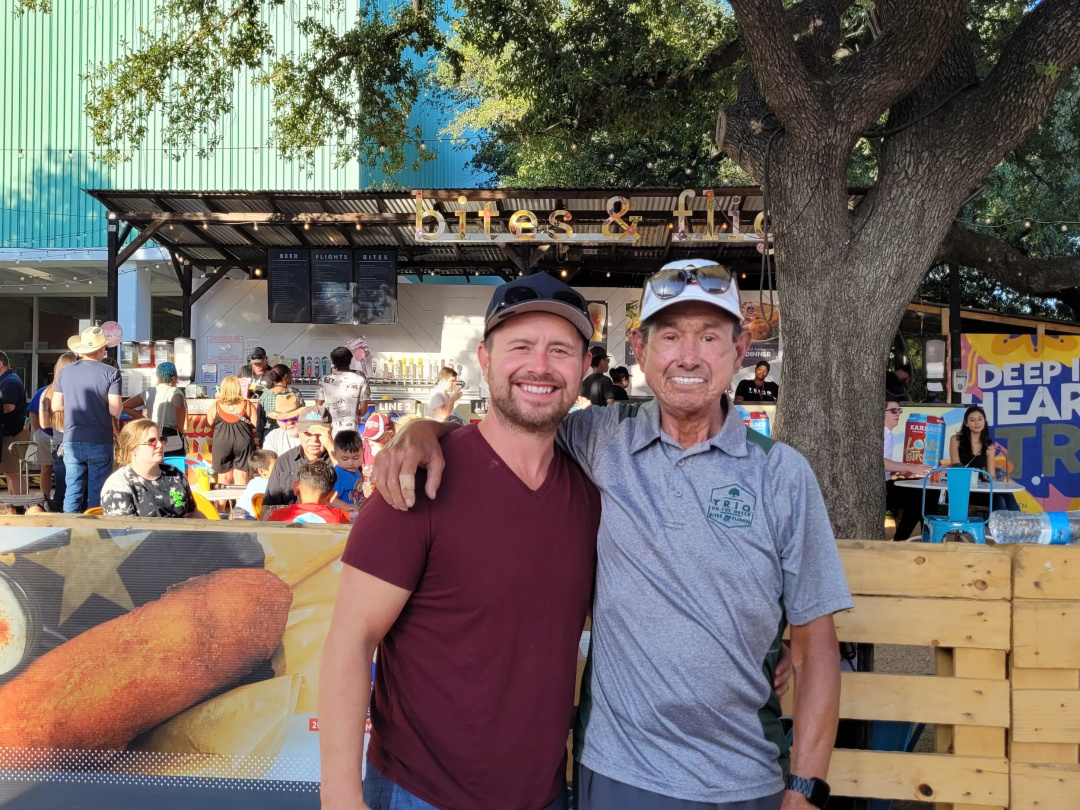
Justin Martinez, who grew up at Fair Park, is gearing up for another season at the State Fair of Texas, a tradition started by his father with Fiesta Concessions 40 years ago. Each fall, Justin would do his homework in the Centennial Building, where the family operated a restaurant, before enjoying the fair's attractions. After graduating from college, he returned to Dallas to help expand the family business after the passing of his father, Rudy Martinez, three years ago. Running a food business at the fair is intense, with profits hinging on just 24 days of operation, influenced by factors like weather, economic conditions, and staffing challenges. As the fair approaches, Justin is busy preparing his space at Trio on the Green, one of the five stands operated by Fiesta Concessions. The economic climate has prompted him to rethink his offerings, including adjusting the ingredients for a new drink due to rising costs. Last year was particularly tough, with lower attendance attributed to high prices across the board. In response, the State Fair has implemented measures to make it more affordable, such as reducing parking fees and offering discounted admission for children and adults during certain days and times. Justin emphasizes that the fair is focusing on providing options for budget-conscious attendees, including special pricing on Thrifty Thursdays. Staffing remains a significant hurdle, with the challenge of finding experienced workers for the demanding 12-hour shifts during the fair. Justin candidly acknowledges that many workers may not last through the entire event, as the fast-paced environment can be overwhelming. Fiesta Concessions has won five Big Tex Choice Awards over the years, but Justin notes that the landscape has changed. The once-exclusive nature of fair food has expanded, with various venues now offering creative food options, making it harder for new award winners to maintain their popularity. He recalls the excitement of winning for their fried Thanksgiving dinner, which initially drew long lines, but now newer creations often fade quickly from public interest. While some past winners remain iconic, like the fried peanut butter and jelly sandwich, Justin observes that many recent award-winning items do not achieve the same lasting appeal. As he prepares for this year's fair, he is bringing back the fried Thanksgiving dinner, responding to customer demand. Justin's experiences highlight the ongoing evolution of the fair food landscape and the importance of adapting to consumer preferences and economic realities.