Understanding the Importance of Dietary Fiber and How to Increase Intake
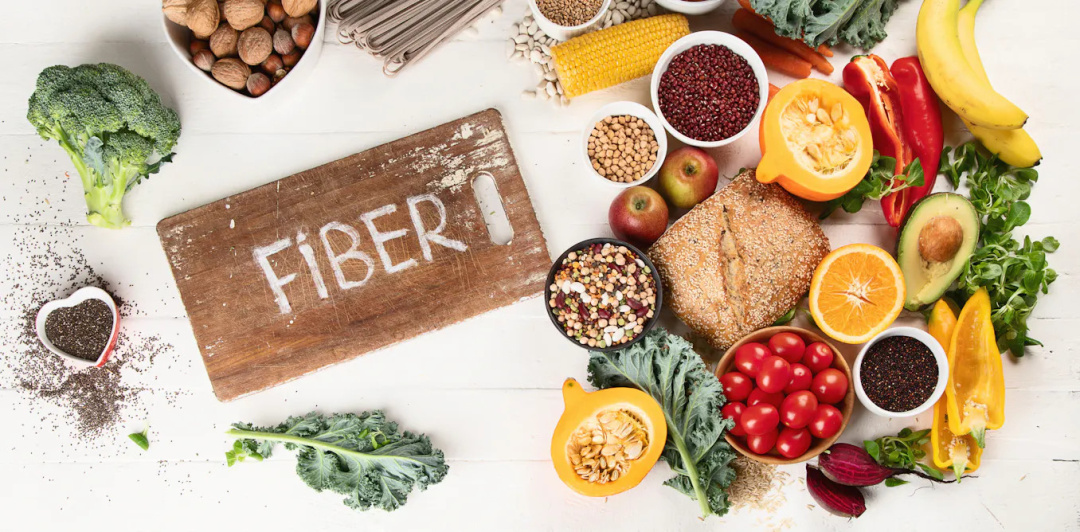
Recent studies reveal a concerning trend: many Americans are falling short of their daily fiber intake, which is crucial for maintaining good health. The recommended daily fiber intake is set at 25 grams for women and 38 grams for men, yet research indicates that only about 4% of U.S. adults achieved these targets from 2013 to 2018. On average, adults consume only around 16 grams of fiber daily. This shortfall is alarming, especially considering the significant health benefits associated with a high-fiber diet, including a decreased risk of cardiovascular disease and colorectal cancer, as well as alleviation of arthritis symptoms.
The growing interest in dietary fiber has led to various trends, including the consumption of fiber-rich foods and supplements. However, the recent update to the American dietary guidelines has raised some confusion by placing high-fiber whole grains at the bottom of the food pyramid, despite acknowledging their importance in the written guidelines. This inconsistency may contribute to misunderstandings about fiber's role in a healthy diet.
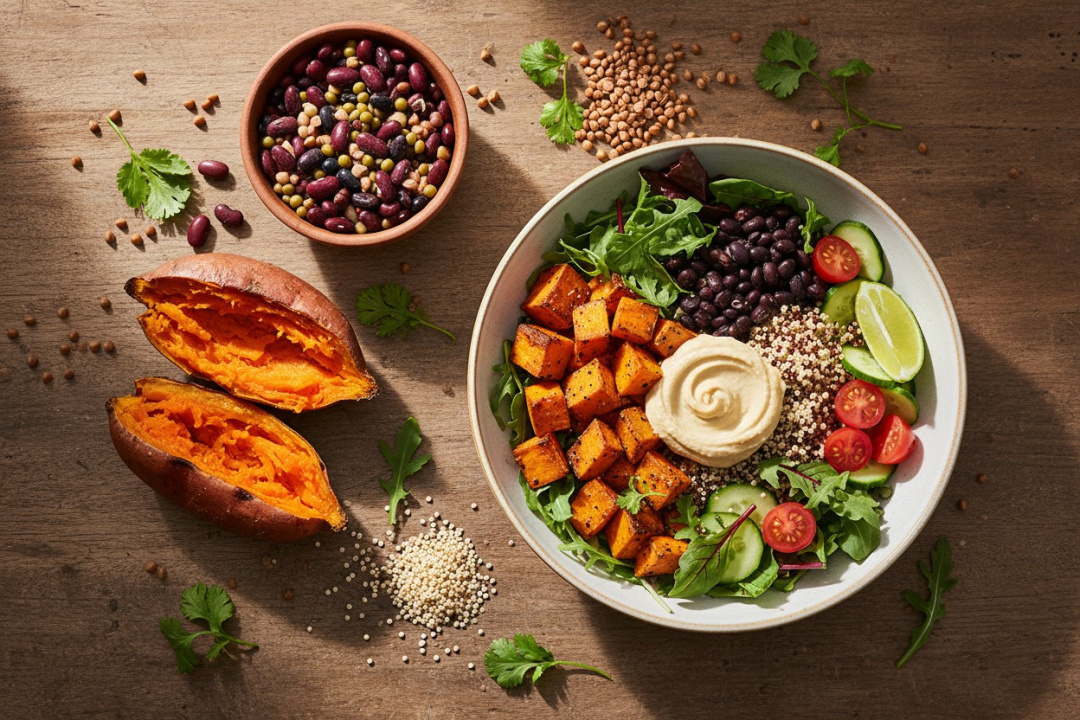
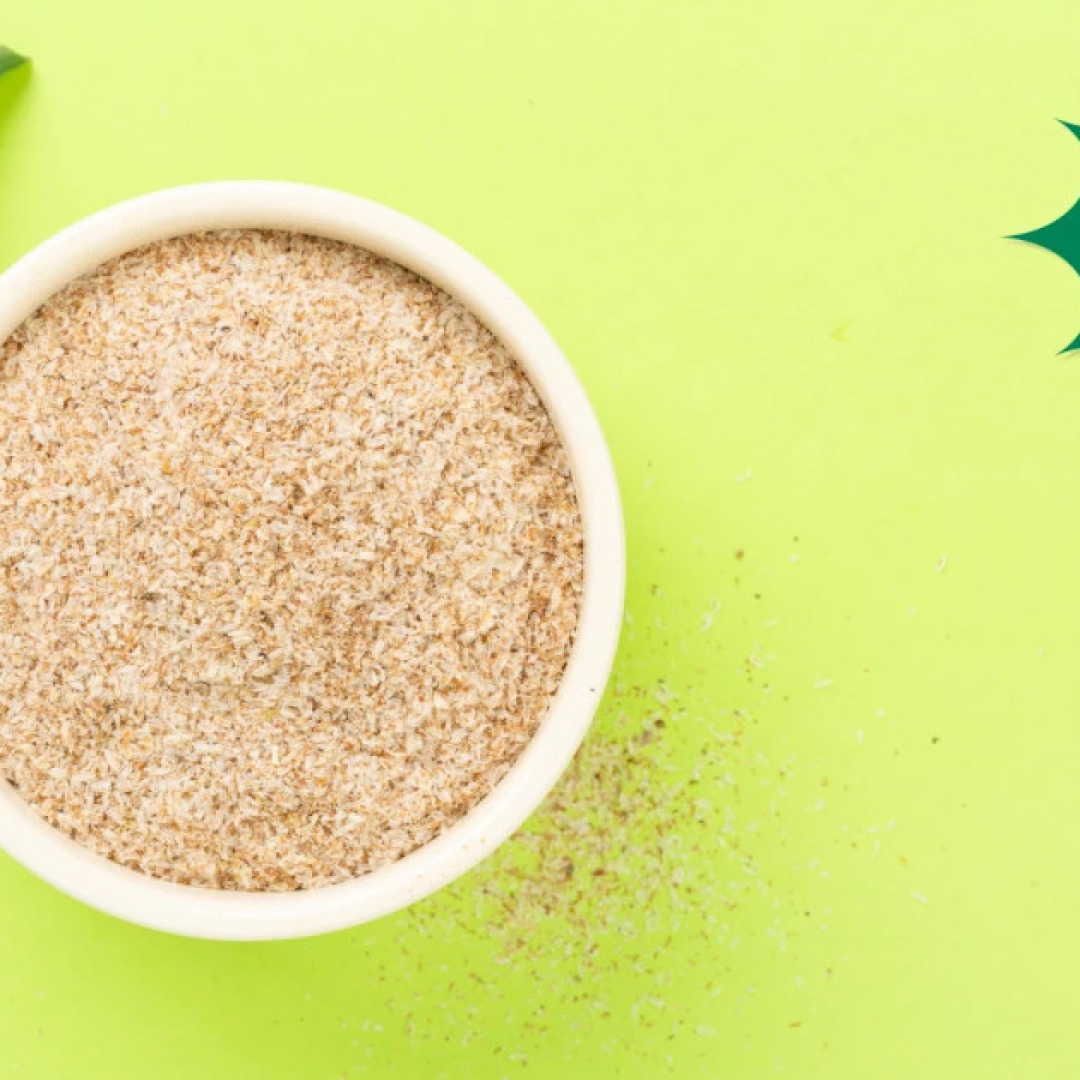
Dietary fiber, which consists of carbohydrates that the body cannot digest, can be sourced from a variety of foods. High-fiber options include fruits like raspberries, vegetables, whole grains such as oats, and legumes like lentils. Additionally, fiber supplements, such as psyllium husk powder (commonly known as Metamucil), are available for those looking to boost their intake. It's important to note that not all fibers are the same; for instance, viscous fibers, which form a gel in water, can enhance feelings of fullness and aid in lowering cholesterol and regulating blood sugar levels.
Fermented fibers, on the other hand, are processed by gut bacteria and can help reduce inflammation in the body. One example is inulin, which can be extracted from chicory root and is often added to various foods marketed as high-fiber options. A recent study highlighted the differences in gut microbiomes between individuals consuming high-fiber diets and those eating more fermented foods, suggesting that a combination of both may provide synergistic health benefits.
Despite the numerous benefits of dietary fiber, barriers such as cost, accessibility, and individual tolerance can hinder adequate intake. Some high-fiber foods may be expensive, and certain fibers, particularly highly fermentable ones like inulin, can lead to digestive discomfort if introduced too quickly. To effectively increase fiber consumption, experts recommend a gradual approach, allowing the body time to adjust while ensuring proper hydration to facilitate fiber's benefits.
Ultimately, the best strategy for increasing fiber intake is to explore a variety of fiber-rich foods and find what works best for individual dietary preferences and tolerances. While some may meet their fiber needs through whole foods, others might require supplements or foods with added fiber. More research is needed to determine the optimal types and amounts of fiber for health benefits, as well as to address the gaps in public education regarding fiber's importance in diet. As scientists continue to uncover the links between fiber and various health outcomes, the focus must also shift towards making high-fiber foods more accessible and affordable for everyone.