Metabolic Effects of Glabridin in Liquorice Confectionaries: A Crossover Study
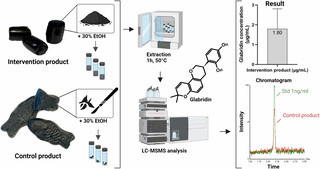
Liquorice, a widely consumed confectionary, contains several bioactive compounds, notably glycyrrhizic acid and glabridin. Glycyrrhizic acid is known for its association with increased blood pressure, while glabridin has been linked to anti-inflammatory and glucose-lowering effects. A recent study aimed to explore the metabolic implications of glabridin by assessing the effects of liquorice intake on markers of dysglycemia, blood lipids, inflammation, and calcium metabolism. This research was conducted as a secondary analysis of a randomized crossover trial involving 28 healthy adults aged 18 to 30 years. Participants alternated between consuming liquorice and a control product over two-week periods, with blood samples taken to measure various health markers. The liquorice used in the study contained 0.25 ± 0.14 µg of glabridin per mg. Results indicated a significant increase in plasma hsCRP levels during the liquorice intervention compared to the control, suggesting a potential anti-inflammatory effect. However, no significant changes were observed in other metabolic markers such as blood glucose or lipids. The findings indicate that while liquorice intake may not enhance metabolic health, it could mitigate certain inflammatory responses. Overall, the study underscores the need for further investigation into the health effects of glabridin, particularly in light of the hypertensive effects associated with liquorice consumption. The study was published in PLOS One and highlights the complex relationship between dietary components and metabolic health.