India's NFHS-6 Reveals Rising Trends in Both Overweight and Underweight Populations
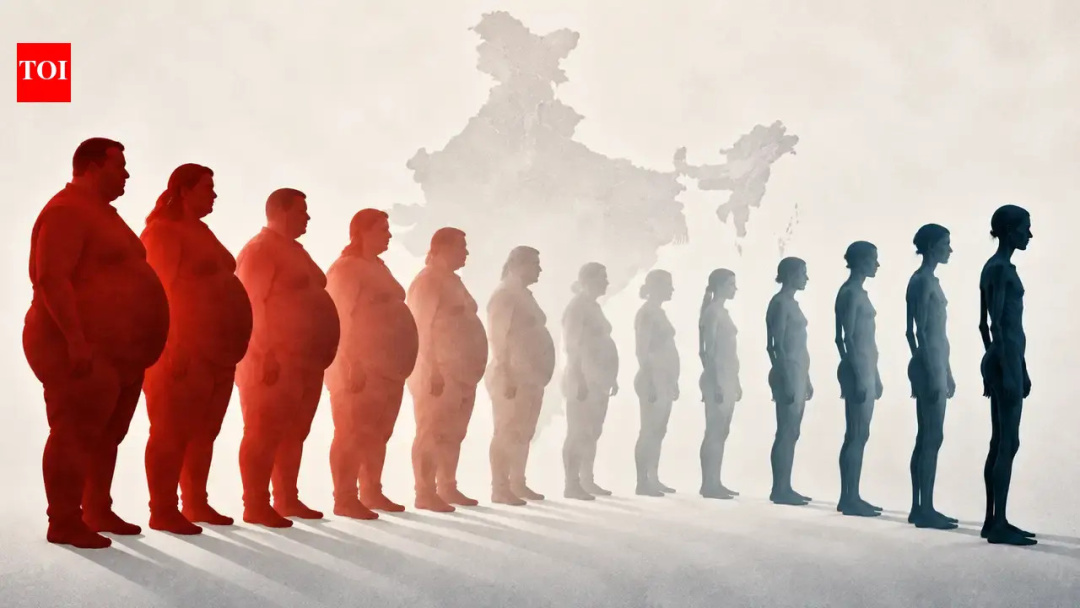
The National Family Health Survey (NFHS-6), conducted across 715 districts and involving approximately 6.79 lakh households, has unveiled complex trends in body mass index (BMI) among Indian adults. The survey, which is a key source of data on health and nutrition in India, indicates that while the prevalence of overweight and obesity is on the rise, the percentage of individuals with below-normal BMI is also increasing, suggesting a dual burden of malnutrition. Among women aged 15-49, the share with below-normal BMI rose from 18.7% in the previous NFHS-5 to 19.7% in NFHS-6, while those classified as overweight or obese surged from 24% to 30.7%. Consequently, the proportion of women within the normal BMI range has decreased from 57.3% to 49.6%. Similarly, for men in the same age group, below-normal BMI increased from 16.2% to 19.7%, and overweight or obesity rose from 22.9% to 27.3%, resulting in a decline in the normal BMI share from 60.9% to 53%. This shift marks a significant trend reversal, as previous rounds of the NFHS had shown a steady decline in below-normal BMI. The NFHS-6 is the first round to report an increase in below-normal BMI for both sexes, with men's rates now matching those of women. The survey's findings highlight that 20 out of 35 states and Union Territories reported an increase in below-normal BMI among women, while 27 states saw similar trends among men. Overweight and obesity rates have risen in 33 states for women and 28 for men. Notably, Rajasthan recorded the sharpest increase in below-normal BMI for both genders. The survey also reveals a stark urban-rural divide, with rural women exhibiting higher rates of below-normal BMI compared to their urban counterparts. This dual burden of malnutrition poses significant challenges for public health policymakers, as they must address both undernutrition and obesity simultaneously. The NFHS-6 findings are provisional and do not yet include unit-level data to confirm the statistical significance of these changes. As the world sees a general decline in adult underweight rates, India's unique situation, where both overweight and underweight populations are growing, raises questions about the effectiveness of current health policies and the need for targeted interventions to improve nutrition across diverse demographics.