Study Links Low Vitamin D Levels to Increased Risk of Preeclampsia in Kenyan Women
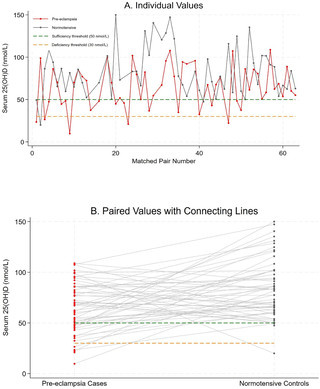
A recent matched case-control study conducted at Moi Teaching and Referral Hospital in Kenya has highlighted a concerning link between low maternal serum vitamin D levels and the risk of preeclampsia, a serious condition that contributes to significant maternal mortality in the region. Preeclampsia accounts for approximately one in five direct maternal deaths in Kenya, and understanding its risk factors is crucial for improving maternal health outcomes. This study aimed to determine the association between maternal serum 25-hydroxyvitamin D [25(OH)D] concentrations and the occurrence of preeclampsia in a Kenyan population, addressing a gap in context-specific data from African populations. The study included 118 women with viable pregnancies at 28 weeks’ gestation or later, with 59 diagnosed with preeclampsia and 59 matched controls based on age, parity, and gestational age. Researchers measured serum 25(OH)D levels and categorized vitamin D status as suboptimal (less than 50 nmol/L) or sufficient (50 nmol/L or more). The findings revealed that the median serum 25(OH)D was significantly lower in women with preeclampsia compared to controls, with 32.2% of preeclampsia cases exhibiting suboptimal vitamin D levels, compared to just 6.8% in the control group. The study utilized conditional logistic regression to assess the association, finding that women with suboptimal vitamin D levels had eight times higher odds of developing preeclampsia. Additionally, each 10 nmol/L decrease in serum 25(OH)D was associated with a 29% increase in the odds of preeclampsia. These results suggest a critical need for antenatal screening for vitamin D levels in pregnant women, as addressing vitamin D deficiency may serve as a preventive strategy against preeclampsia. The study underscores the importance of further research into vitamin D supplementation as a potential intervention to mitigate the risks associated with this condition. The findings contribute valuable insights into the role of vitamin D in maternal health and the necessity for tailored healthcare approaches in African populations.