Allina Health Dietitian Offers Comprehensive Guidelines on Protein Intake
In a recent article, Allina Health registered dietitian Allison Rantanen outlined important guidelines regarding protein intake, its sources, and associated health effects. Rantanen highlights that protein is essential for various bodily functions, including muscle repair and recovery, oxygen transport through red blood cells, hormone regulation, and enzyme production. The recommendations apply broadly to diverse dietary patterns, including vegetarian, vegan, pescatarian, flexitarian, and omnivorous diets.
Rantanen notes that adequate protein intake can contribute to lowering blood pressure and reducing the risk of diabetes. She explains that protein tends to promote satiety more effectively than carbohydrates, as it takes longer to digest. The federal government has updated dietary guidelines to recommend a protein intake of 1.2 to 1.6 grams per kilogram of body weight, while a group associated with the National Academy of Science suggests a baseline of 0.8 grams per kilogram.
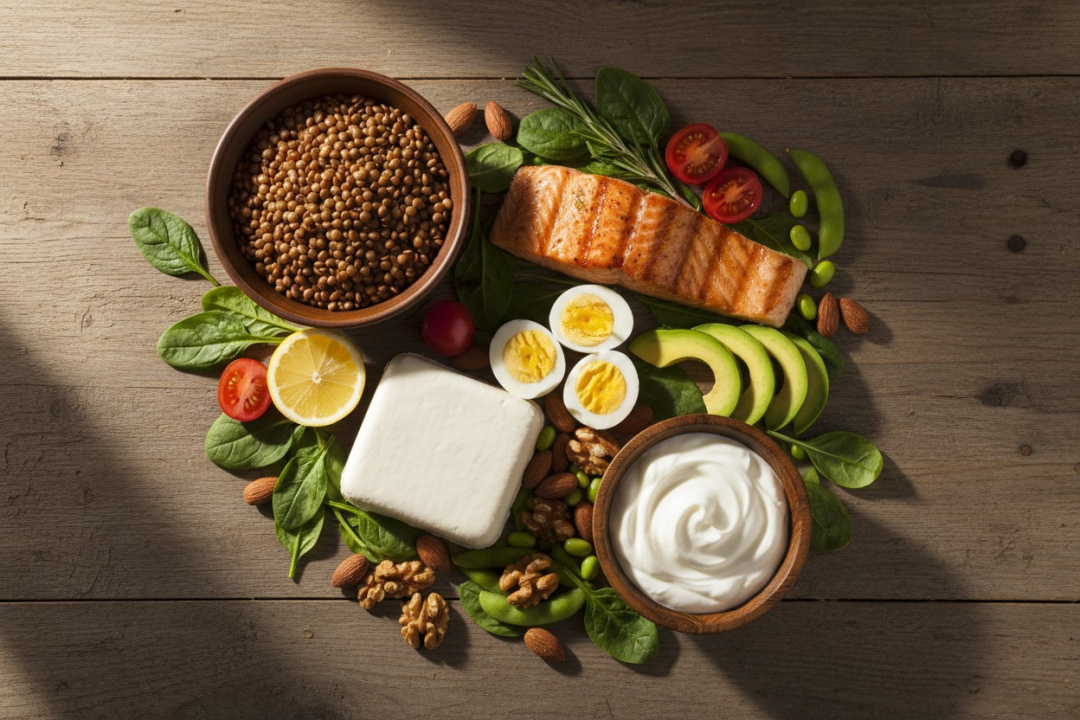
To optimize fullness and support muscle maintenance, Rantanen emphasizes the importance of distributing protein intake evenly throughout the day. She differentiates between healthy protein sources, such as beans, lentils, tofu, fish, eggs, yogurt, nuts, seeds, and lean meats, and less healthy options like processed meats and high-fat red meats. Whole foods like cottage cheese, chicken breast, and lentils can offer comparable or superior protein content compared to many protein supplements, and diversifying protein sources can enhance nutrient intake.
Rantanen also highlights the increased protein requirements for specific groups, including active individuals, older adults experiencing muscle loss, and pregnant or lactating women. For instance, women undergoing IVF may require around 55 grams of protein daily. However, she cautions against excessive protein intake, which can place undue stress on the kidneys and liver and may lead to increased calcium loss. Individuals with chronic kidney disease are advised to consult a healthcare provider before increasing their protein consumption.
The article also provides practical snack ideas, such as almonds with dried fruit, Greek yogurt, and hummus with vegetables, as well as suggestions for easy meal swaps, like adding cottage cheese to scrambled eggs or incorporating lentils into pasta dishes. Rantanen asserts that protein supplements are generally unnecessary if whole food intake is sufficient, but if used, they should be chosen carefully, with low sugar and saturated fat content in mind. The Allina article recommends selecting protein supplements that contain 200 calories or fewer, with 2 grams or less of saturated fat, and 5 grams of sugar or less.