Evaluating Machine Learning Models for Hypoglycemia in Chinese Diabetes Patients
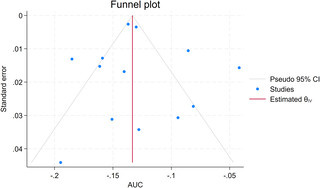
A systematic review published in PLOS One evaluated the predictive performance of machine learning (ML) models designed to forecast hypoglycemia in Chinese patients with diabetes. This review is particularly significant given the high prevalence of diabetes in China, where approximately 148 million adults are affected. The study aimed to synthesize existing research on ML-based prediction models, focusing on their effectiveness in identifying patients at risk of hypoglycemia, a common and serious complication of diabetes management.
The review included a comprehensive search of multiple databases, including PubMed and Embase, for studies published up to February 2026. It identified 13 relevant studies that met the inclusion criteria, which involved the development or validation of ML models specifically for predicting hypoglycemia in diabetic patients. The pooled prevalence of hypoglycemia across these studies was found to be 25%, indicating a notable concern in diabetes management.
The findings revealed that the overall area under the receiver operating characteristic curve (AUC) for the models was 0.90, suggesting high predictive accuracy. Different modeling approaches were assessed, with extreme gradient boosting (XGBoost) and random forest (RF) models showing the best performance. Common predictors for hypoglycemia included age, insulin use, body mass index, and previous hypoglycemic episodes.
Despite the promising results, the review highlighted several methodological limitations across the studies, such as insufficient external validation and concerns regarding the interpretability of the models. The authors emphasized the need for more robust and clinically applicable models to enhance early risk identification and improve diabetes management outcomes.
This review underscores the potential of machine learning in advancing diabetes care, yet it also calls for further research to address existing gaps in model validation and applicability in diverse clinical settings. The findings may guide future developments in predictive modeling and inform healthcare strategies aimed at reducing hypoglycemic events in diabetic patients.