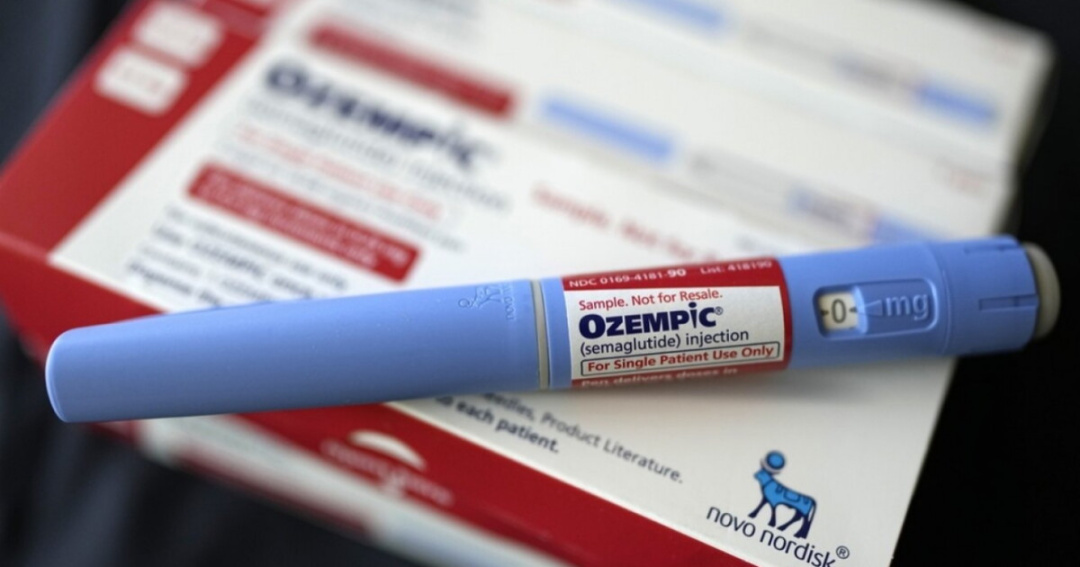
Lawsuits Filed Against GLP-1 Drug Companies Over Allegations of Vision Loss
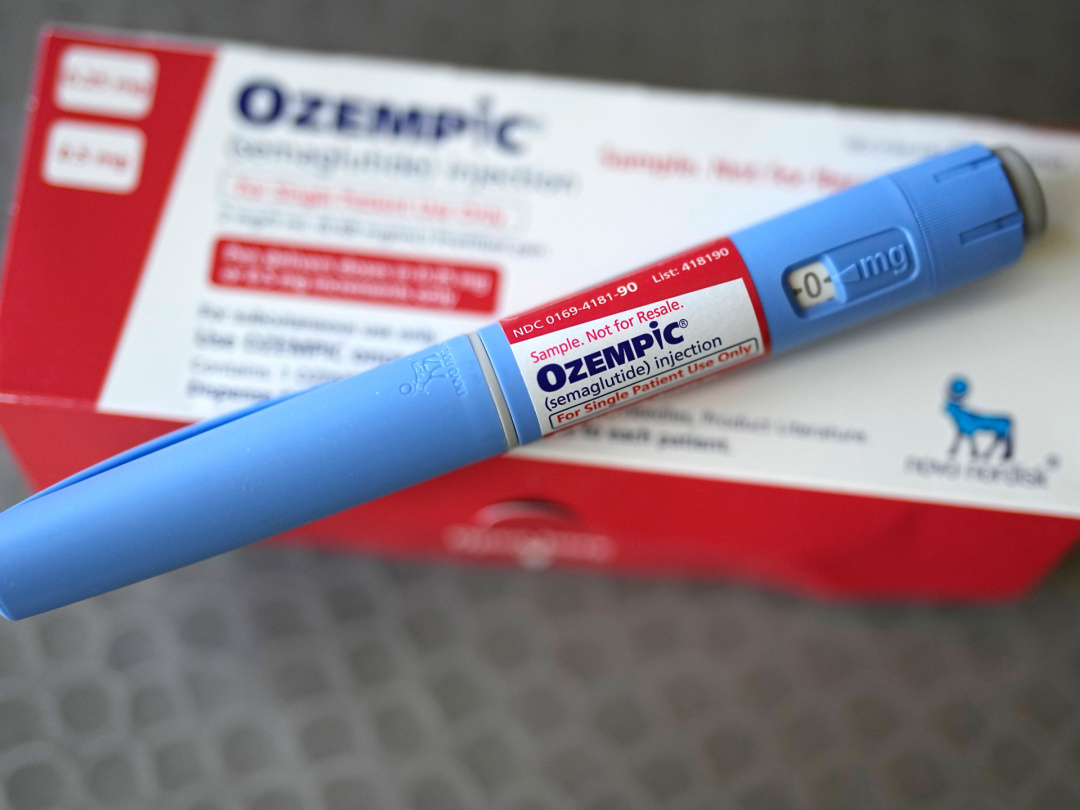
In a significant legal development, dozens of individuals have filed lawsuits in the United States against companies manufacturing GLP-1 medications, including popular weight-loss drugs like Ozempic and Mounjaro. The plaintiffs allege that these medications have caused a rare condition known as nonarteritic anterior ischemic optic neuropathy (NAION), which can lead to permanent vision loss. This wave of litigation poses a potential challenge to an industry projected to generate approximately $100 billion in annual sales over the next decade, as these drugs have gained popularity among millions seeking to combat obesity in the U.S.
Novo Nordisk, the pharmaceutical company behind Wegovy and Ozempic, has publicly stated that the lawsuits lack merit and that they are vigorously contesting the claims. Eli Lilly, which produces Zepbound, has not commented on the specific litigation but indicated it is reviewing data related to potential health risks associated with its products.
The lawsuits claim that GLP-1 medications can cause NAION, an eye condition characterized by inadequate blood flow to the optic nerve, leading to irreversible vision loss. One plaintiff from Pennsylvania described her experience, stating that after using the medication for her diabetes, her vision became distorted, akin to looking through a "fishbowl," and she was subsequently diagnosed with NAION.
Research into the potential link between GLP-1 medications and NAION has been ongoing, but findings have been mixed. NAION is typically associated with sudden vision loss due to a painless reduction in blood flow to the optic nerve, often referred to as an "eye stroke." While the condition is rare, scientific studies have indicated that patients on GLP-1 medications may have a slightly increased risk of developing NAION, although the exact relationship between the drugs and the condition remains unclear.
The timeline for the onset of NAION in patients taking GLP-1 medications is reported to be within the first six to eighteen months. A personal injury firm, Weitz & Luxembourg, has filed over 90 lawsuits against Novo Nordisk in a New Jersey state court since 2025, representing patients who developed NAION while on these medications. Additional lawsuits have been filed in the U.S. District Court for the Eastern District of Pennsylvania, asserting that the drug manufacturers failed to adequately warn consumers about the risks associated with their products.
In response to the allegations, a Novo Nordisk-funded study conducted randomized trials involving GLP-1 patients and concluded that the drugs do not increase the risk of NAION. Dr. Tina Vilsboll, a senior medical officer at Novo Nordisk and the study's lead author, stated that there is no evidence of causality and that the risk of NAION should not be a cause for concern.
The European Medicines Agency has estimated that NAION could affect approximately one in every 10,000 GLP-1 users with diabetes. Both the North American Neuro-Ophthalmology Society and the American Academy of Ophthalmology have acknowledged that while there may be a slight increase in risk, other studies show no correlation, indicating that the overall risk of NAION remains low. Despite these ongoing lawsuits, the U.S. has not yet mandated any warning labels on GLP-1 medications. The U.S. Food and Drug Administration has been investigating the potential link between these drugs and NAION since early reports emerged in 2024.