Exploring Adherence Challenges in GLP-1 Medication for Obesity Treatment
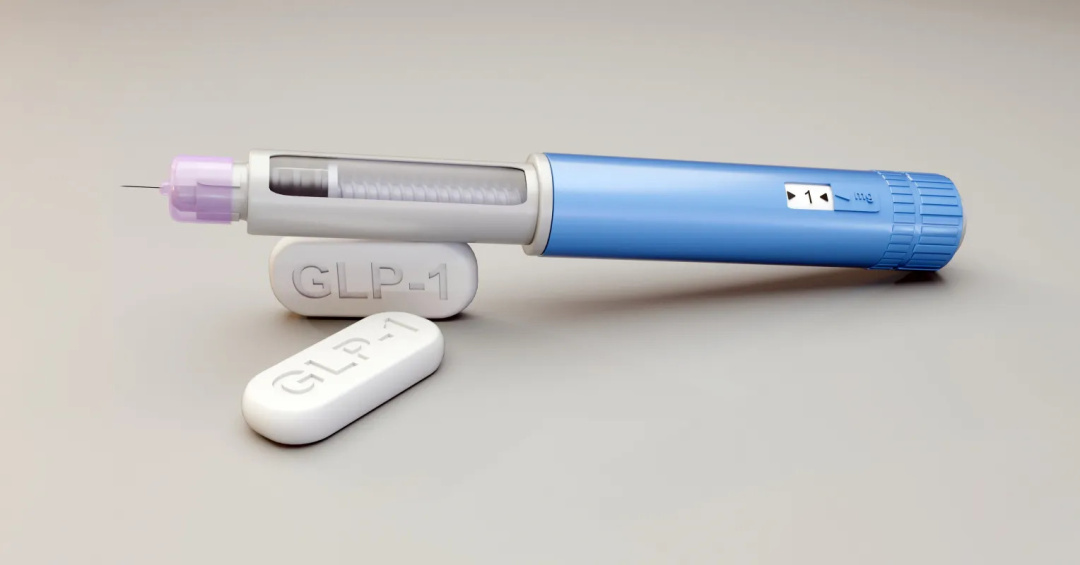
Since the Food and Drug Administration (FDA) approved the first GLP-1 medication in 2005, extensive research has explored the consequences of their use. These medications have been shown to influence conditions such as type-2 diabetes, cardiovascular disease, kidney disease, and even some cancers. Additionally, they may assist individuals in managing alcohol addiction. Despite these benefits, adherence rates for GLP-1 medications are concerning, with studies indicating that only 27 to 65 percent of users continue their treatment after one year. Common reasons for discontinuation include high costs, inconsistent insurance coverage, availability issues, and side effects.
However, it is essential to consider factors beyond these typical barriers. The World Health Organization (WHO) has long recognized the importance of adherence to long-term therapies, particularly in the context of chronic diseases. In a comprehensive report from 2003, the WHO highlighted that improving adherence to health interventions could yield greater health benefits than merely enhancing specific medical treatments. The report identified five dimensions that can affect adherence, which are crucial for understanding the challenges faced by GLP-1 users.
A qualitative study conducted by Ko et al. in 2025 revealed that patients treated for obesity expressed a desire for improved communication, follow-up, and assistance in decision-making regarding their treatment. This finding underscores the need for healthcare providers to engage more effectively with patients to enhance their adherence to GLP-1 medications.
Furthermore, a recent study by DePietro et al. in 2026 examined patient beliefs surrounding GLP-1 usage, uncovering various motivations, barriers, and perceptions that affect adherence. The study highlighted significant gaps in patients’ understanding of obesity as a chronic disease and the complexities involved in using GLP-1 medications.
In response to these challenges, the WHO issued updated guidelines in 2025 for the use of GLP-1 medications in treating obesity. These guidelines reaffirm the classification of obesity as a chronic disease requiring lifelong management. While they address issues of affordability and access, they also emphasize the critical role of behavioral and lifestyle changes as foundational steps in intensive behavioral therapy.
The WHO recommends structured goal-setting for physical activity and dietary changes, including energy intake restrictions, weekly counseling sessions, and regular assessments of progress. These guidelines aim to tackle both the financial and logistical barriers to adherence while also addressing the behavioral aspects that are vital for successful treatment outcomes.
In summary, while GLP-1 medications represent a significant advancement in treating obesity and related chronic diseases, adherence remains a multifaceted challenge. Improving patient education, enhancing healthcare system support, and fostering community engagement are essential strategies to encourage ongoing use of these medications and achieve optimal health outcomes.