Innovative Liquisolid Compact System Enhances Baicalein's Bioavailability Using Fish Oil
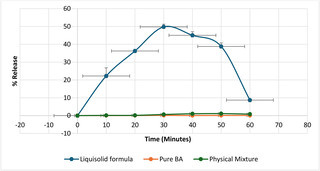
Baicalein (BA), a flavonoid renowned for its pharmacological and antioxidant properties, faces significant challenges in oral delivery due to poor aqueous solubility and high crystallinity, which limit its bioavailability. A recent study has introduced a sustainable liquisolid compact formulation of BA using extracted fish viscera oil as a non-volatile solvent. This formulation aims to enhance the dissolution behavior of BA, making it more effective for therapeutic use. Fish oil, derived from salmon viscera, serves as a liquid vehicle in the preparation of BA liquisolid compacts, with corn starch as a carrier and talc as a coating material. The physicochemical characteristics, dissolution behavior, and antioxidant activity of the formulation were thoroughly evaluated. The study utilized techniques such as Fourier Transform Infrared Spectroscopy (FTIR), Differential Scanning Calorimetry (DSC), and Powder X-Ray Diffraction (PXRD) to assess drug-excipient interactions and changes in crystallinity. The results indicated that the liquisolid compact significantly improved the dissolution of BA compared to both pure BA and physical mixtures. Additionally, the antioxidant activity of the fish oil-BA formulation was notably enhanced. This innovative approach not only improves the bioavailability of BA but also promotes sustainability by repurposing fish viscera, typically considered waste, into valuable pharmaceutical excipients. The findings underscore the potential for integrating environmental sustainability into pharmaceutical manufacturing while enhancing the therapeutic efficacy of bioactive compounds like Baicalein. The study demonstrates that the use of fish viscera oil can lead to a more effective delivery system for BA, potentially expanding its clinical applications and supporting the growing interest in natural and sustainable pharmaceutical formulations. This research contributes to the ongoing exploration of enhancing the bioavailability of hydrophobic drugs, addressing a critical barrier in pharmaceutical development and paving the way for future innovations in drug formulation.