Higher Potassium Intake at Dinner Linked to Fewer Insomnia Symptoms, Study Finds
A recent study published in the journal Nutrients has found that higher potassium intake, especially at dinner, is associated with fewer insomnia symptoms among adults. The research analyzed data from approximately 4,600 participants, indicating that potassium may help improve sleep quality by aiding muscle relaxation and regulating nighttime blood pressure. This study adds to the growing body of evidence suggesting that specific nutrients can positively influence sleep without the side effects often associated with pharmaceutical sleep aids.
Potassium, an essential electrolyte, plays a crucial role in nerve function, muscle relaxation, and fluid balance. Deficiencies in potassium have been linked to various health issues, including insomnia, high blood pressure, and muscle cramps. Modern diets, particularly those high in processed foods, often disrupt the balance of sodium and potassium, leading to excessive sodium intake and insufficient potassium.
Previous studies have established connections between mineral deficiencies and sleep disturbances. For instance, magnesium deficiency is known to contribute to insomnia. The current study highlights the importance of potassium, which has received less attention than magnesium in discussions about sleep regulation. The researchers utilized data from the National Health and Nutrition Examination Survey (NHANES) to explore the relationship between potassium consumption and self-reported insomnia symptoms. Their findings revealed that participants with higher potassium intake reported lower prevalence of sleep complaints.
Interestingly, the study noted that sodium intake and the sodium-to-potassium ratio did not show a significant association with sleep issues in this cohort. This suggests that it is the potassium itself, rather than the balance with sodium, that may play a more critical role in sleep quality.
Supporting this notion, a separate investigation by Penn State University found that consuming one avocado daily, a food rich in potassium, modestly improved sleep quality in adults with abdominal obesity. This unexpected benefit reinforces the idea that potassium-rich foods can have a measurable impact on sleep.
The researchers found that potassium consumed during the evening meal had the strongest correlation with improved sleep outcomes. This timing may relate to potassium's role in lowering nighttime blood pressure, which is essential for cardiovascular recovery and conducive to deep, restorative sleep.
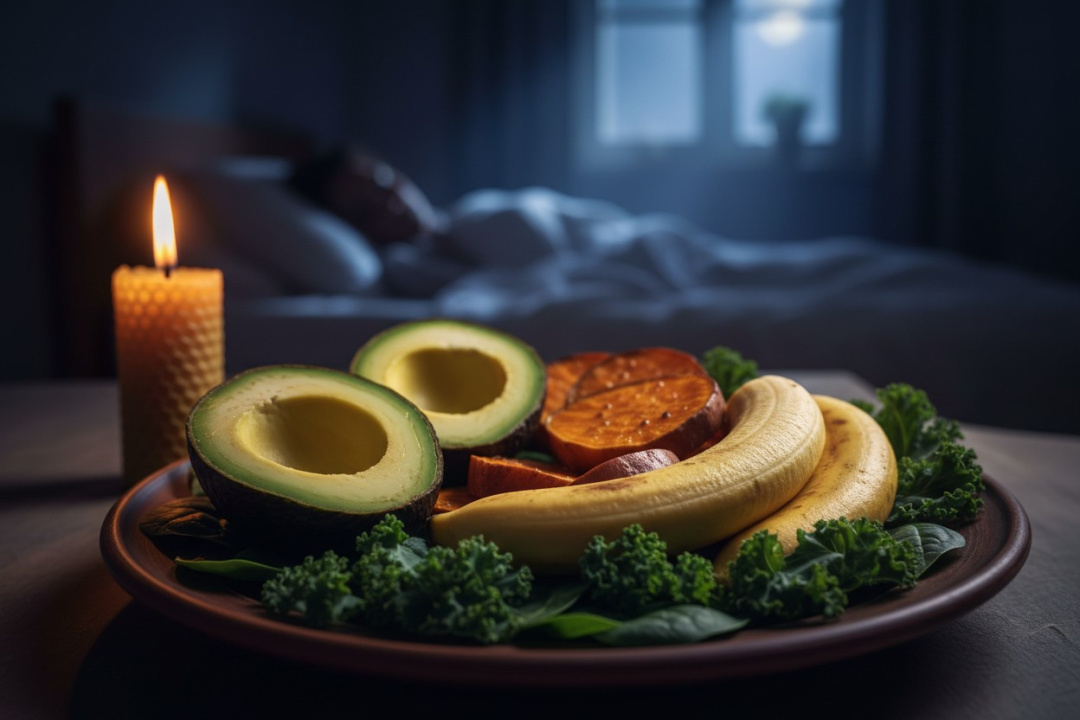
Practical dietary sources of potassium include sweet potatoes, leafy greens, avocados, white beans, bananas, and citrus fruits. For individuals looking to enhance their sleep naturally, incorporating these potassium-rich foods into dinner may serve as a simple and cost-effective strategy. Additionally, combining dietary changes with good sleep hygiene practices, such as keeping the bedroom reserved for sleep and relaxation, may further amplify the benefits.
The study concludes that prioritizing potassium-rich foods at dinner could support better sleep. However, it is important to note that the study's cross-sectional design does not establish causation, and further research is needed to determine optimal potassium intake levels and the long-term effects on sleep quality. Insomnia remains a significant issue in the United States, affecting over 50 million Americans. While pharmaceutical options are available, they often carry risks such as dependency and side effects. Nutritional approaches, like increasing potassium intake, present a safer alternative that aligns with the body's natural regulatory systems. This study contributes to the growing evidence that both the timing of nutrient consumption and the nutrients themselves are vital factors in sleep regulation.