Eight Foods Beyond Ginger That May Support Immune Health
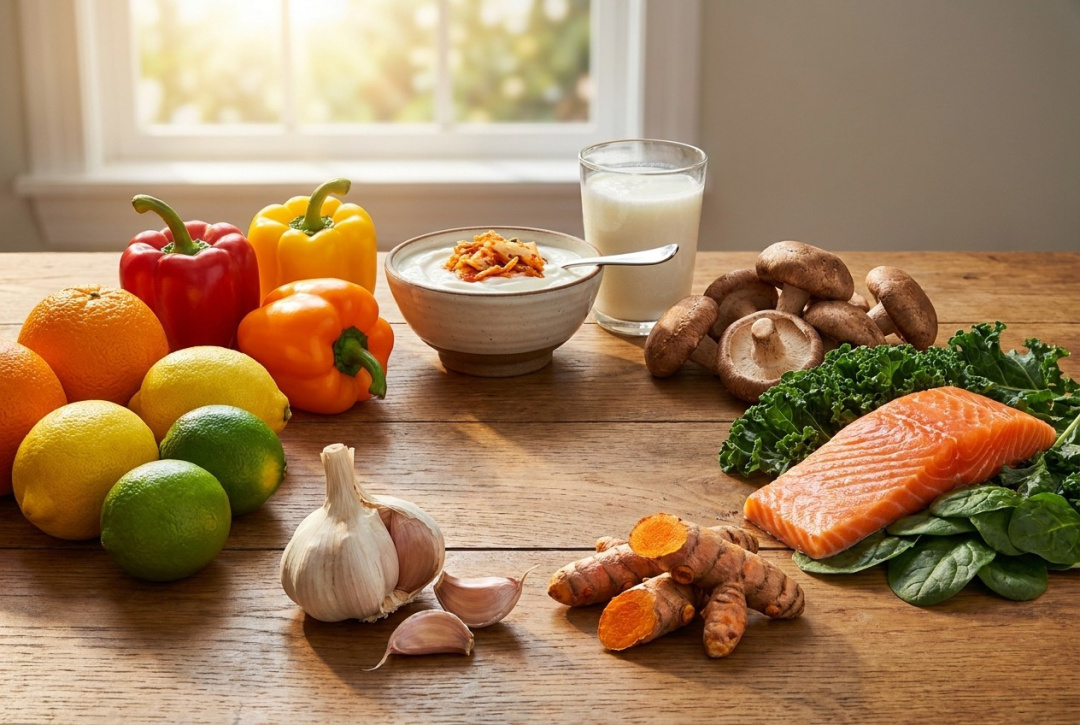
A recent report emphasizes that while ginger is widely recognized for its immune-supporting properties, it can be strong-tasting and challenging to incorporate into daily meals. The report identifies eight alternative foods that provide immune-supporting nutrients and may be easier to add to one's diet. These foods include garlic, citrus fruits, bell peppers, turmeric, fermented foods, mushrooms, leafy greens, and fatty fish. Adding a variety of these nutrient-rich foods to the diet may help maintain immune system function as individuals age. However, it is important to note that these foods should not be viewed as treatments on their own and do not replace medical care, with ginger still being a valid option for immune support.
Garlic is highlighted for its sulfur compounds, such as allicin, which have been studied for their effects on influenza A and B, rhinovirus, and viral pneumonia. These compounds may interfere with viral attachment and replication, potentially reducing inflammation. The report notes that garlic may also lessen the severity and duration of colds when consumed in various forms, including raw, cooked, or as a supplement.
Citrus fruits, known for their vitamin C and folate content, are also mentioned. Vitamin C has been linked to reducing the severity and duration of cold symptoms. The report cites studies indicating that compounds found in orange juice, such as hesperidin, may correlate with lower inflammatory markers.
Bell peppers, particularly the yellow, orange, and red varieties, are noted for containing more vitamin C per serving than oranges. They also provide beta-carotene, which the body converts to vitamin A, supporting the skin and mucous membranes as barriers against germs.
Turmeric is recognized for curcumin, which may reduce inflammation and enhance the body's response to certain viral infections. Research has suggested that curcumin may boost antibody production in individuals receiving COVID-19 vaccines.
Fermented foods, which include yogurt, kefir, kimchi, miso, sauerkraut, and kombucha, are rich in probiotics that support gut health and immune function. The report references studies showing that probiotics from these foods may have protective effects against influenza and rotavirus, with kefir potentially increasing antibody production and reducing inflammation.
Mushrooms, particularly shiitake, are noted for their potential to combat flu viruses by blocking viral attachment and replication. They contain beta-glucan, which activates immune cells. Additionally, selenium and vitamin B6 found in mushrooms support antibody production.
Leafy greens provide essential vitamins A, C, and E, along with folate and iron, all of which are crucial for immune cell health and function. Light cooking can enhance nutrient absorption from these greens.
Finally, fatty fish are rich in omega-3 fatty acids and vitamin D, both of which play a role in controlling inflammation and helping immune cells respond to infections. Examples of fatty fish include salmon, sardines, mackerel, trout, and herring. The report underscores the importance of these foods in maintaining immune function, especially during cold and flu season.